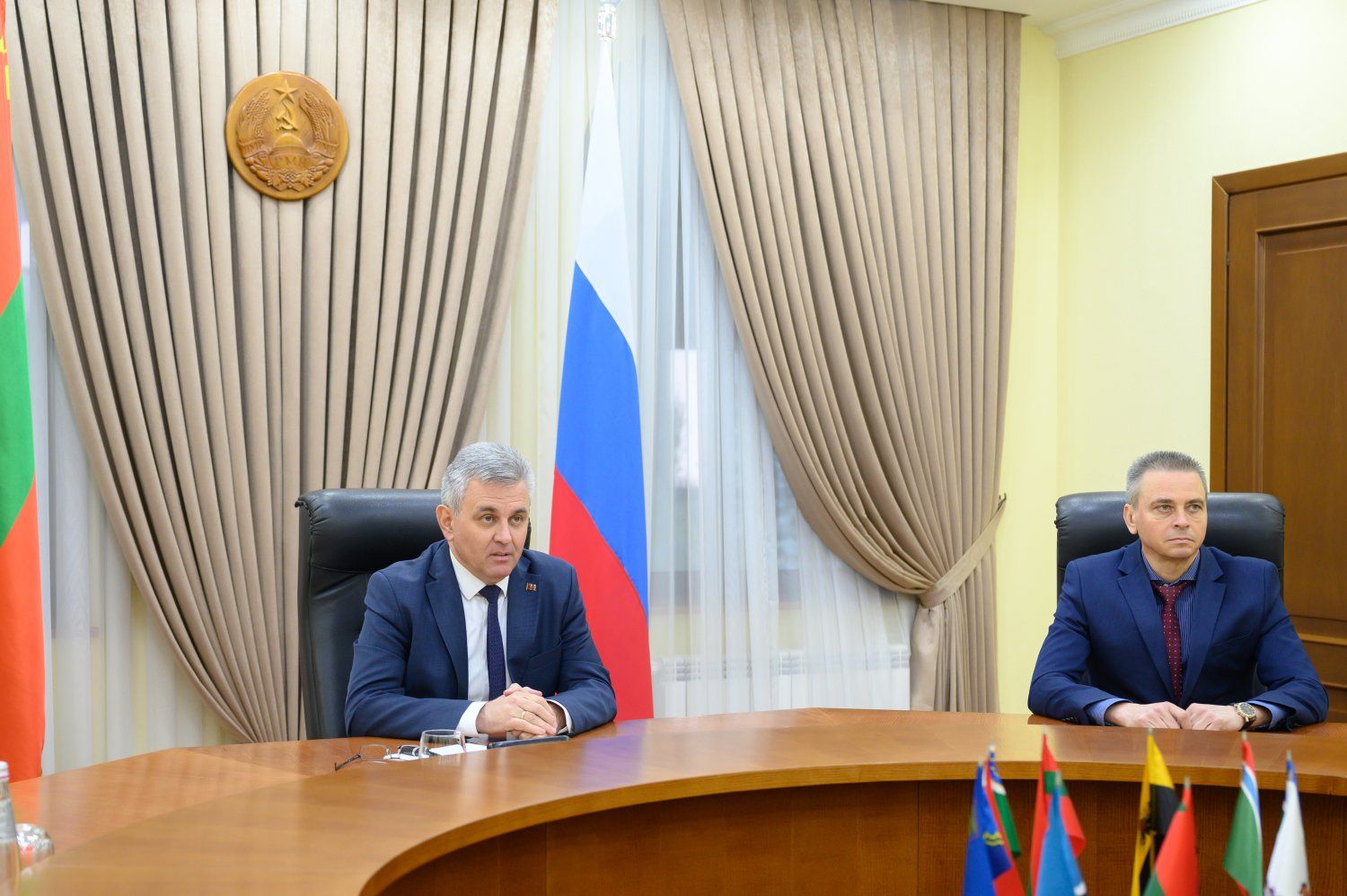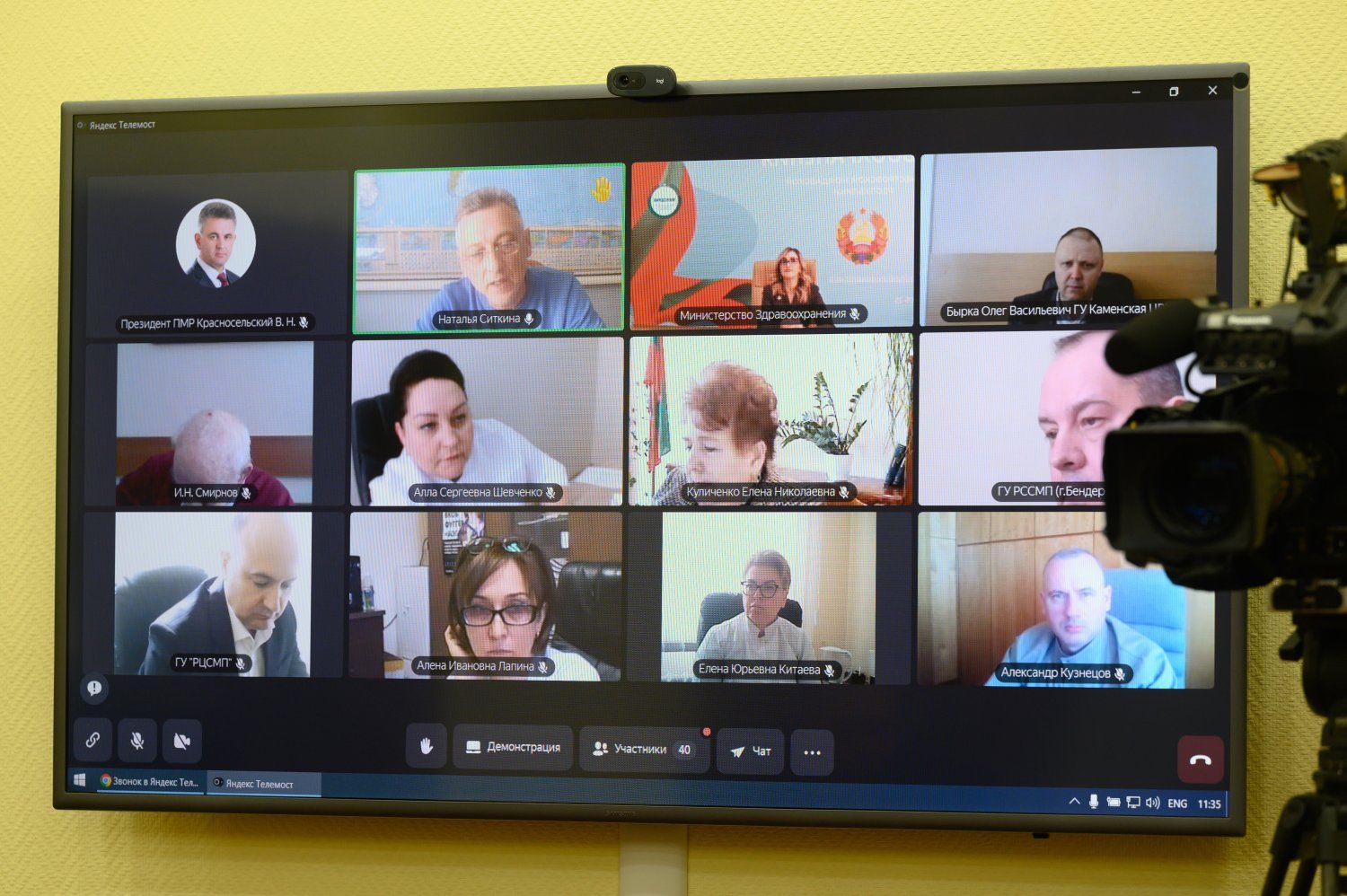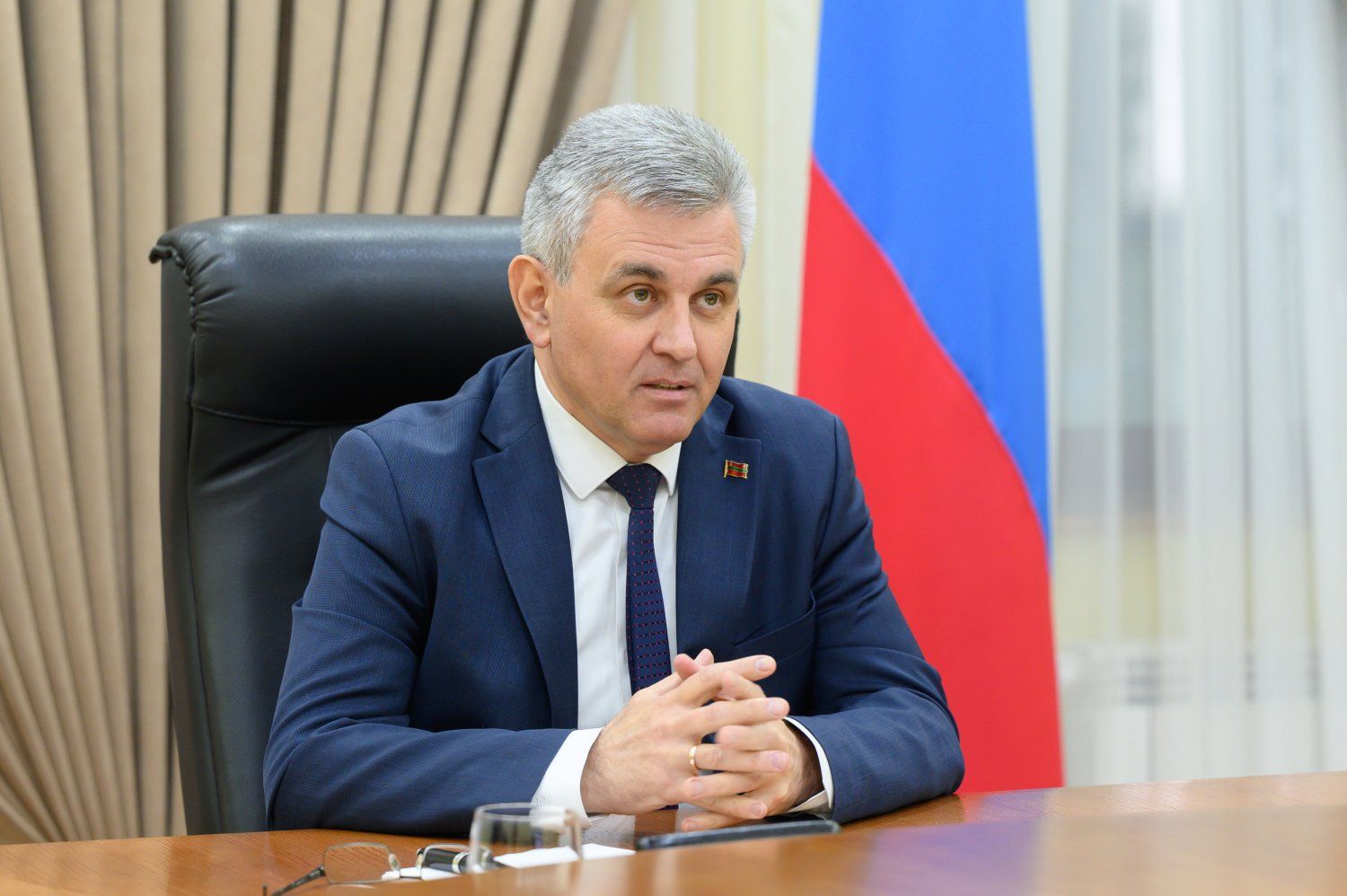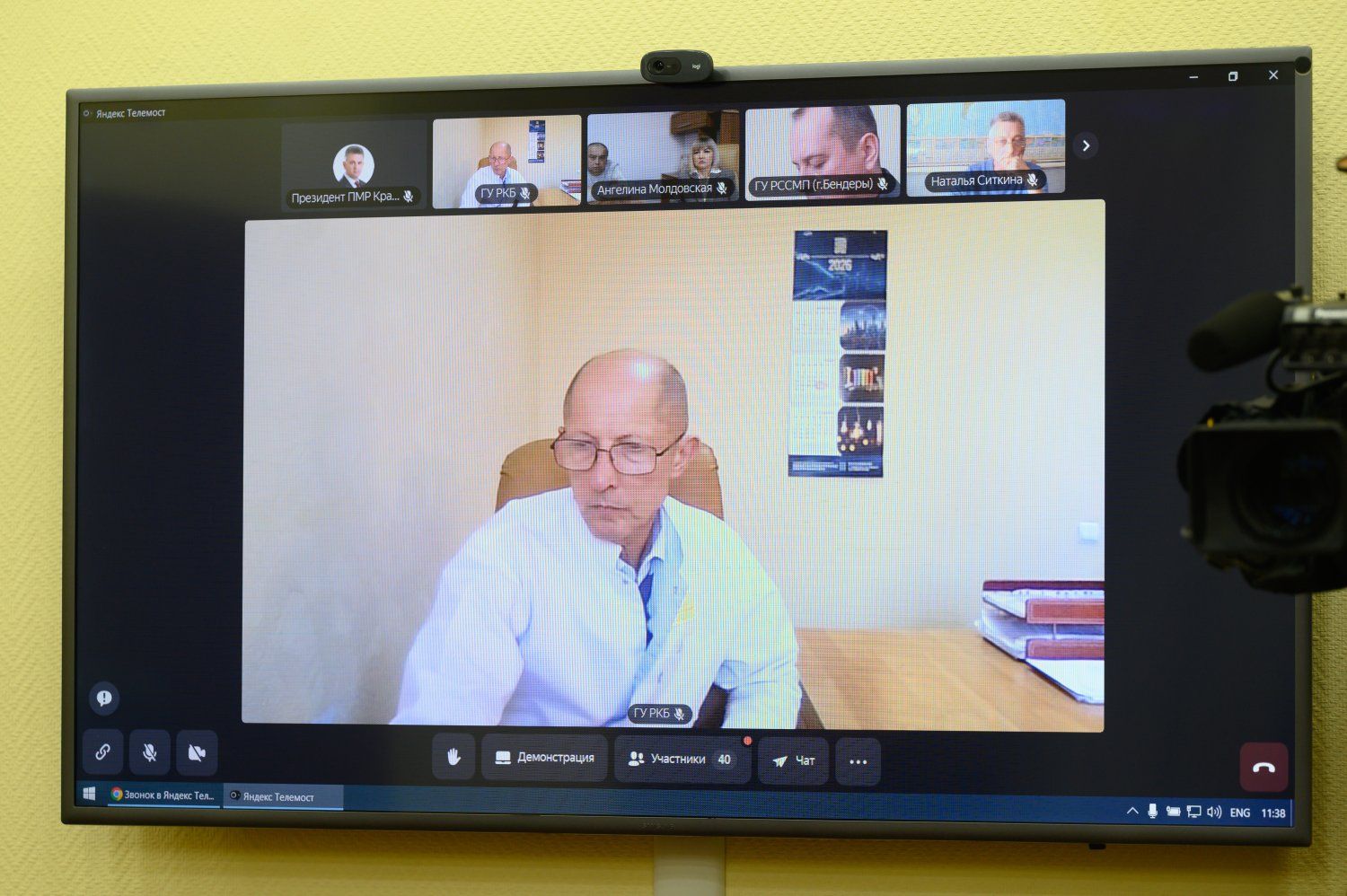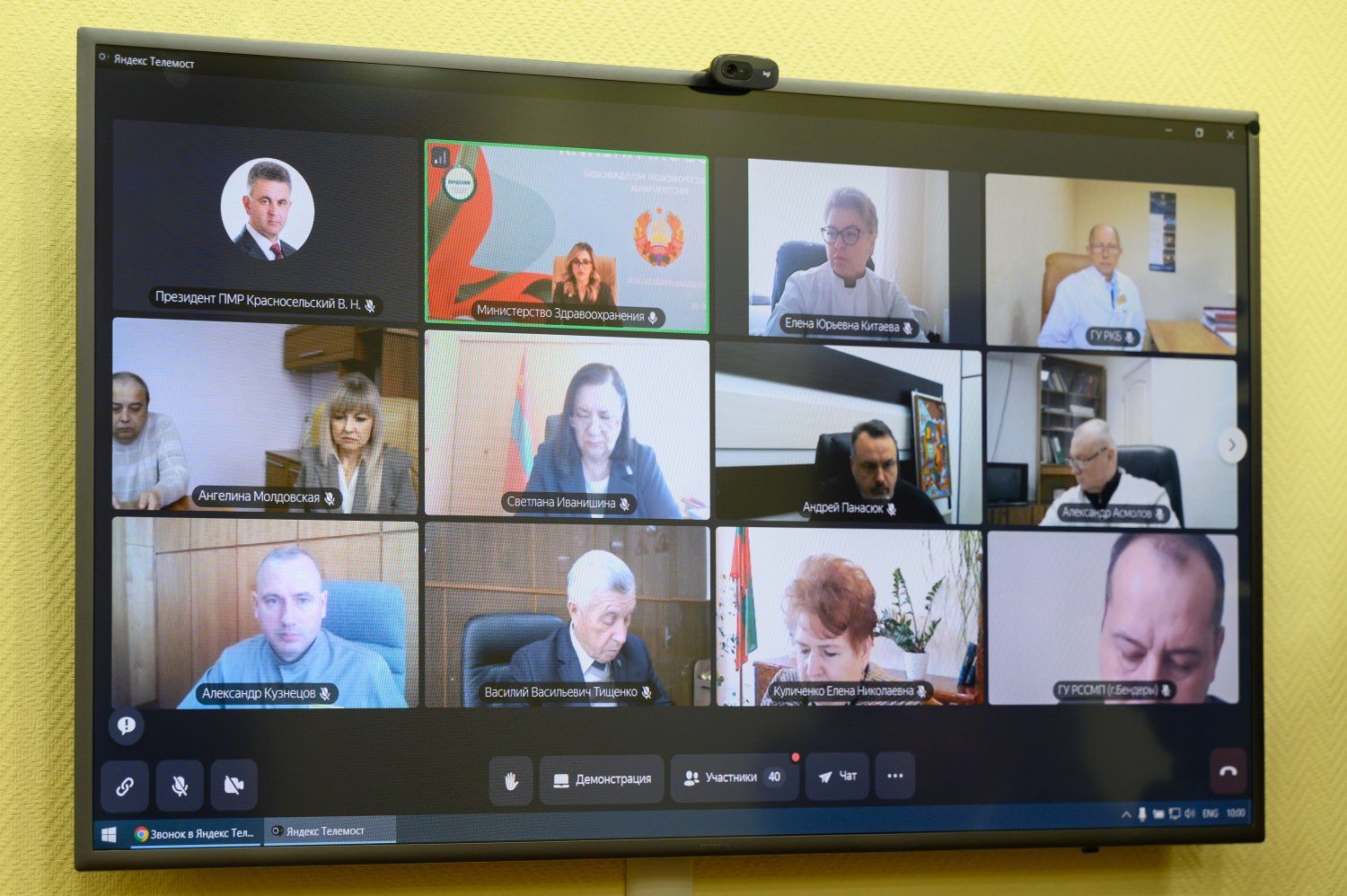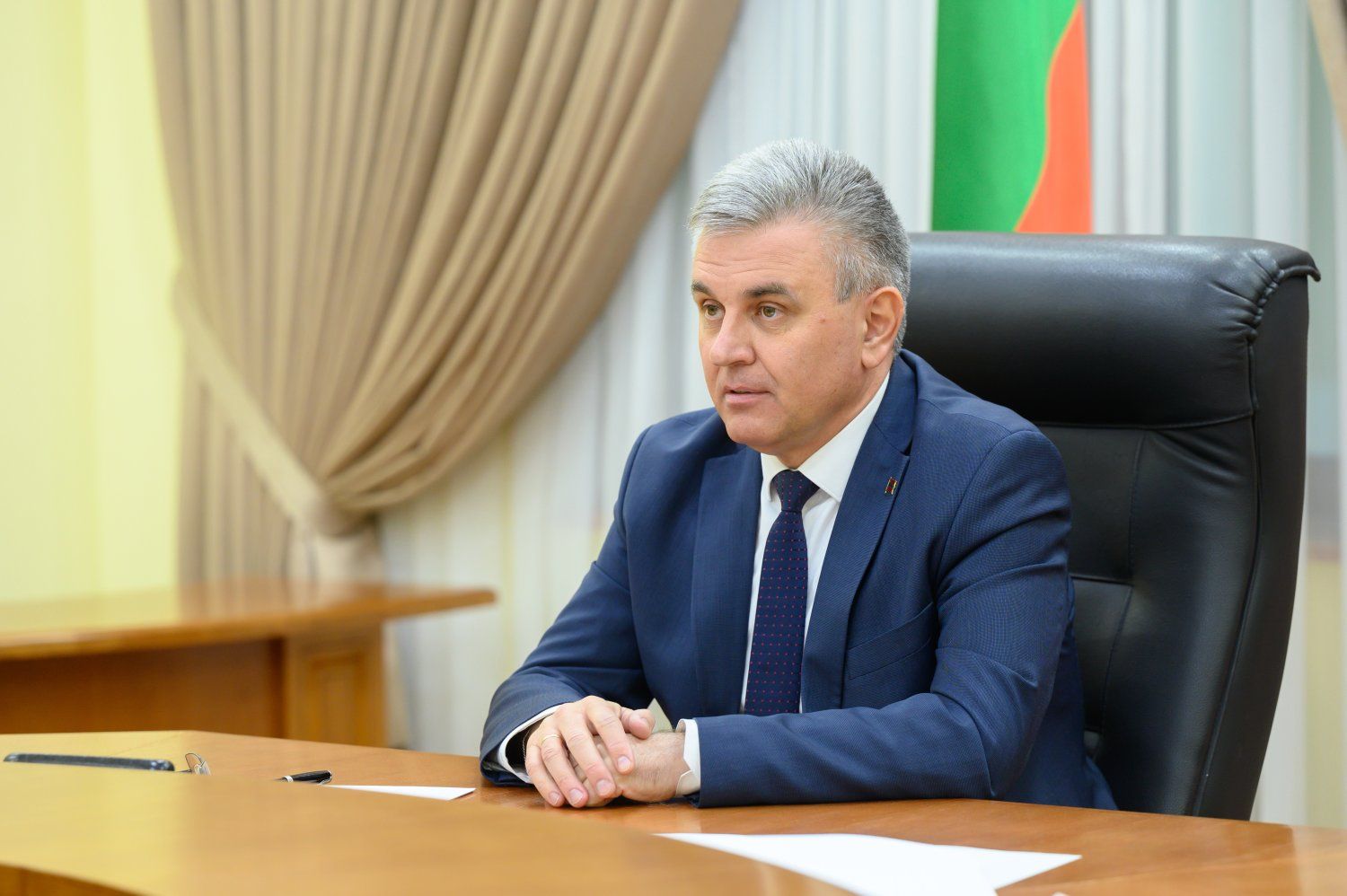
The PMR President Vadim Krasnoselsky attended a meeting of the Ministry of Healthcare board. Minister Kristina Albul presented the ministry's activity in 2025. She emphasized that the healthcare system ensured the stable operation of medical facilities and the availability of medical care for residents of the republic in 2025 despite external challenges, including the energy crisis and economic restrictions. Particular attention was paid to the uninterrupted supply of medicines, expanding the range of medical services, and actively developing preventive programs.
Kristina Albul focused at the beginning of her report on key demographic indicators and the health status of citizens. According to statistics, the population at the beginning of 2026 was 447300, a decrease of almost 1% compared to 2024. Average life expectancy increased to 75.6 years (74.9 in 2024). The birth rate decreased by 18%, with 1837 babies born: 952 boys and 885 girls (2279 in 2024). There were 1606 marriages (1672 in 2024). The divorce rate has decreased slightly, but remains quite high at 1260 (1448 in 2024).
The mortality rate decreased by 1.6% (5850 cases). The main causes remain cardiovascular diseases (58.1%) and cancer (19.2%). The head of the department specifically addressed the infant mortality rate. It decreased by 57% last year (35 children in 2024, and 15 in 2025). This was achieved through the care of premature babies, the provision of specialized care, and the introduction of modern treatment methods. Prenatal screening of pregnant women and the development of a three-tiered health care system played a significant role.
Speaking about the overall health of citizens, Kristina Albul emphasized that the incidence of diseases in the republic decreased by 2.3% in 2025, with 267117 new cases identified (compared to 273352 in 2024). These were primarily respiratory diseases, injuries, and cardiovascular disorders.
The minister spoke about preventive work and the implementation of targeted programs. As part of the "Doctors Against Cervical Cancer" campaign, more than 10000 women were screened, identifying 107 suspected cases of cancer. "The Health Cars" medical teams visited 90 communities and examined 6500 residents, identifying 1400 conditions. Dental services examined 9800 children, identifying 400 pathologies. Educational lectures, seminars, and tests on health and disease prevention reached over 37000 people. Programs were implemented to prevent vision impairment in schoolchildren and promote a healthy lifestyle among young people. The state program to combat cardiovascular disease enabled screening of people over 40, provided treatment after a heart attack, and reduced mortality from acute coronary syndrome and stroke. Mobile fluorography units performed 26800 examinations, identifying 1700 cardiac and pulmonary pathologies.
Kristina Albul focused on specific socially significant diseases. She stated that the tuberculosis situation remained tense in 2025, despite some positive developments. The number of newly diagnosed cases decreased to 175 (237 in 2024), and the number of patients registered with active tuberculosis decreased to 202 (261 a year earlier). The number of fatalities remained unchanged at 14. A decrease in the incidence rate among children was noted – 17 cases (22 a year earlier). However, an increase was recorded among adolescents – 6 cases (a year earlier – 2), indicating that the problem remains relevant among children and adolescents.
The minister reported that 1965 new cases of malignant neoplasms were identified last year, a 1.4% increase compared to 1938 cases in 2024. Breast cancer is the most frequently diagnosed cancer (13.2%). The highest incidence rate is observed in people aged 75 and older (476 people). 14009 cancer patients were registered at the end of the year.
The situation with HIV infection was presented. It was diagnosed in 112 people out of 29,049 tested in 2025, of whom 34 were in the AIDS stage. 2492 people were registered for follow-up care by the end of the year (2288 were receiving antiretroviral therapy).
According to the Minister of Healthcare, special attention is being paid to immunization. Children were vaccinated against 11 infections last year. Coverage rates remained virtually unchanged from 2024 and range from 57% to 95%. Vaccination against the human papillomavirus is planned for the primary prevention of cervical cancer in girls in 2026, said Kristina Albul.
Turning to healthcare system performance indicators, the minister noted that more than 2.8 million people received outpatient and primary healthcare care in 2025, ambulances responded to over 137000 calls, and over 80000 patients received inpatient treatment. 4367 patients eligible for subsidized treatment were provided with medications totaling over 53 million rubles. These medications were provided for endocrine, oncological, psychoneurological, and cardiovascular diseases, bronchial asthma, HIV and viral hepatitis, tuberculosis, and for the treatment of rare diseases. 21726 surgeries were performed during the reporting period, 23925 hemodialysis procedures, and 160 joint replacements (77 hip replacements; 83 knee replacements) were performed. A total of 739 people were sent abroad for treatment (74.8% for emergency cases, 15.6% for children). These were primarily patients with acute coronary syndrome requiring endoprosthetic replacement, oncology and neurosurgical patients, and women undergoing reproductive therapy
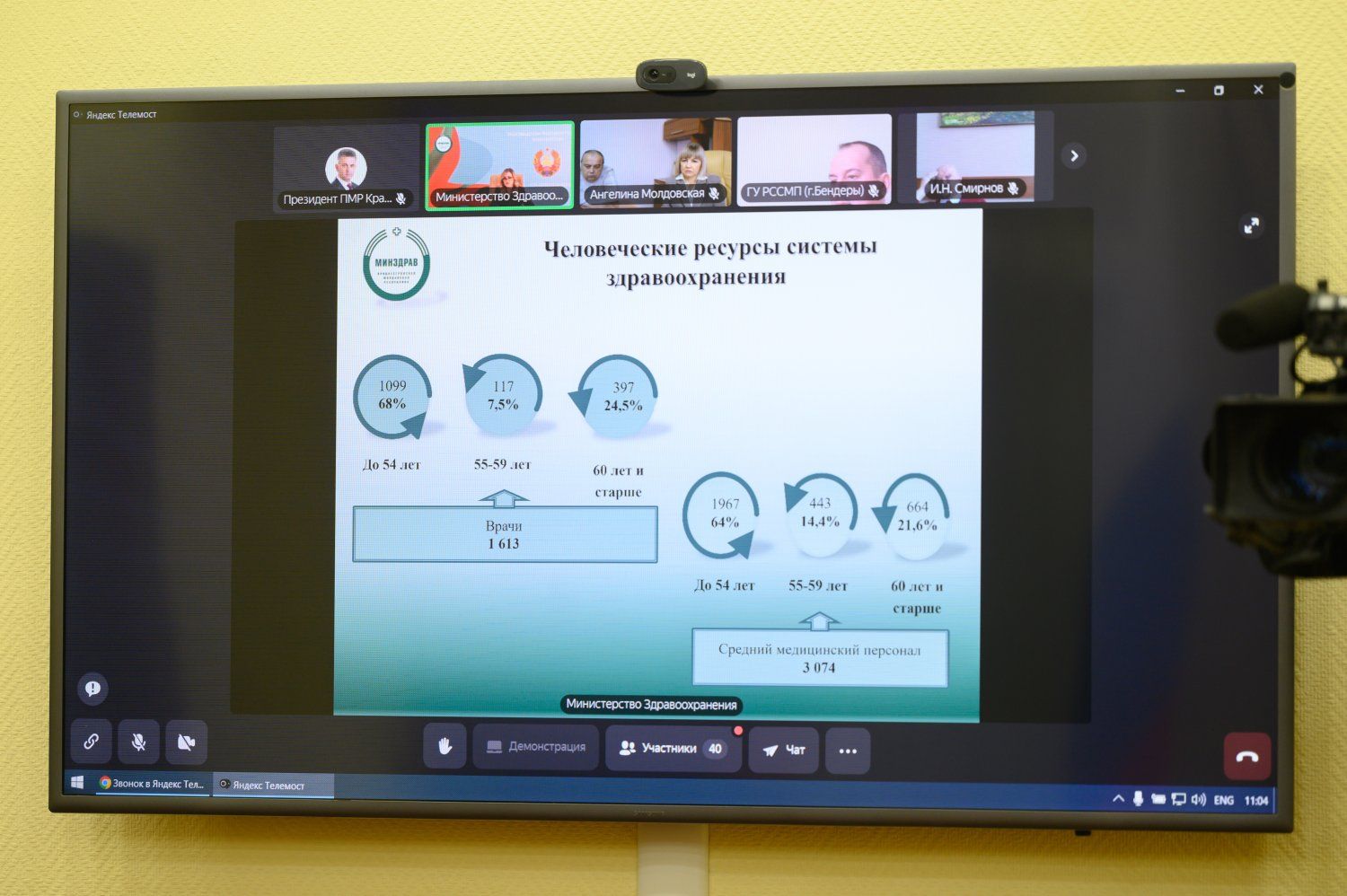
Speaking about staffing, the minister noted that last year, medical institutions were 78.9% staffed with doctors, 87.5% with mid-level medical personnel, and 95.7% with junior medical personnel. This helped maintain the stable functioning of the healthcare system.
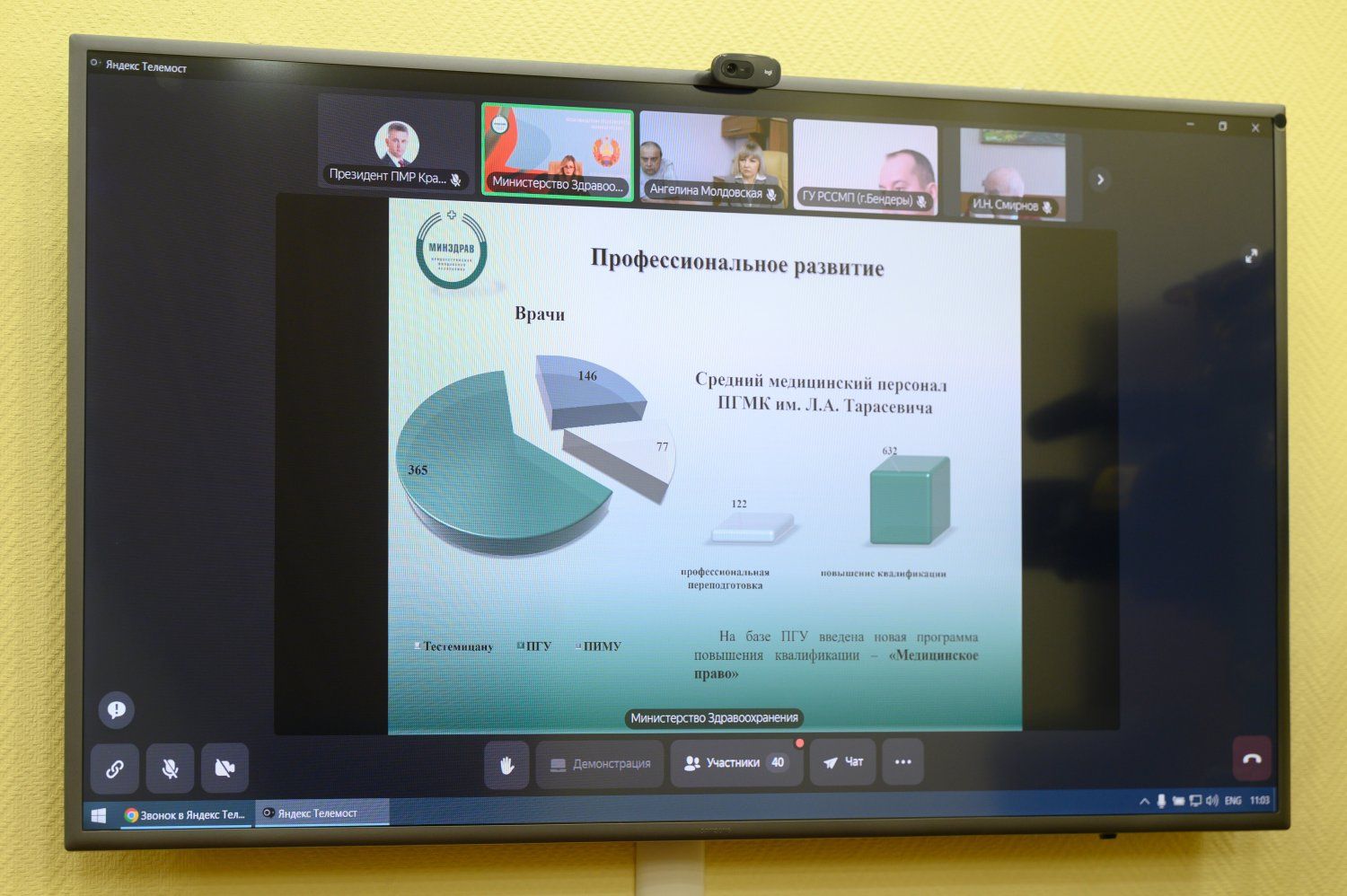
To strengthen human resources, special attention is being paid to improving the qualifications of healthcare workers. In 2025, 146 people were enrolled in programs at the Privolzhsky Research Medical University (Russia). More than 70 employees received advanced training at the University of Medicine and Pharmacology named after Testemitanu (Chisinau), 365 doctors at the PSU named after Shevchenko, and 754 mid-level medical personnel at the Pridnestrovian Medical College named after Tarasevich. Furthermore, the Pridnestrovian State University launched a new program "Medical Law" in 2025, which 25 people completed with funding from the national budget. Another 735 specialists participated in scientific conferences, internships, and international training courses.
Kristina Albul discussed concluding her report the development of the industry's infrastructure. The Capital Investment Fund program continued, with work carried out at 28 facilities last year. This included the Republican Clinical Hospital, the Republican Mother and Child Center, the Mother and Child Center in Bendery, as well as the central district hospitals of Slobodzeya, Grigoriopol, Rybnitsa, Kamenka, and Dubossary. Work also affected the Pridnestrovian State Medical College named after Tarasevich, the City Hospital of Dnestrovsk, the Central City Hospital of Bendery, and several rural outpatient clinics and feldsher-midwife stations. This included the reconstruction of buildings and departments, major repairs, construction of individual facilities, and the improvement and modernization of utility infrastructure. 4.6 million rubles were allocated for the equipping and repair of medical equipment. The "Electronic Healthcare of Pridnestrovie" information system, which includes an electronic registry, medical and pharmaceutical product inventory, and modules for outpatient clinics, has been launched in state-run healthcare institutions. The development of digital infrastructure has expanded diagnostic capabilities and treatment options, as well as increased access to specialized care, the minister noted. Kristina Albul explained that the introduction of digital technologies has enabled a new level of collaboration with Russian colleagues: telemedicine consultations have been established at several institutions since the end of 2023. Thirty one remote consultations were conducted in 2024, and 51 in 2025, including 27 for children.
The PMR President highly appreciated the work of the Ministry of Healthcare, emphasizing that healthcare workers are fulfilling their responsibilities and ensuring the stable functioning of the sector. Vadim Krasnoselsky outlined priority areas for future work, including disease prevention, healthy lifestyle promotion, and the development of high-tech care in the republic. The President specifically noted the high potential of future medical professionals and proposed more active recruitment of students after the third year. According to Vadim Krasnoselsky, this will help young specialists gain experience more quickly and more confidently enter the profession after graduation. Overall, the Head of State expressed gratitude to medical workers for their daily work and contribution to maintaining public health.