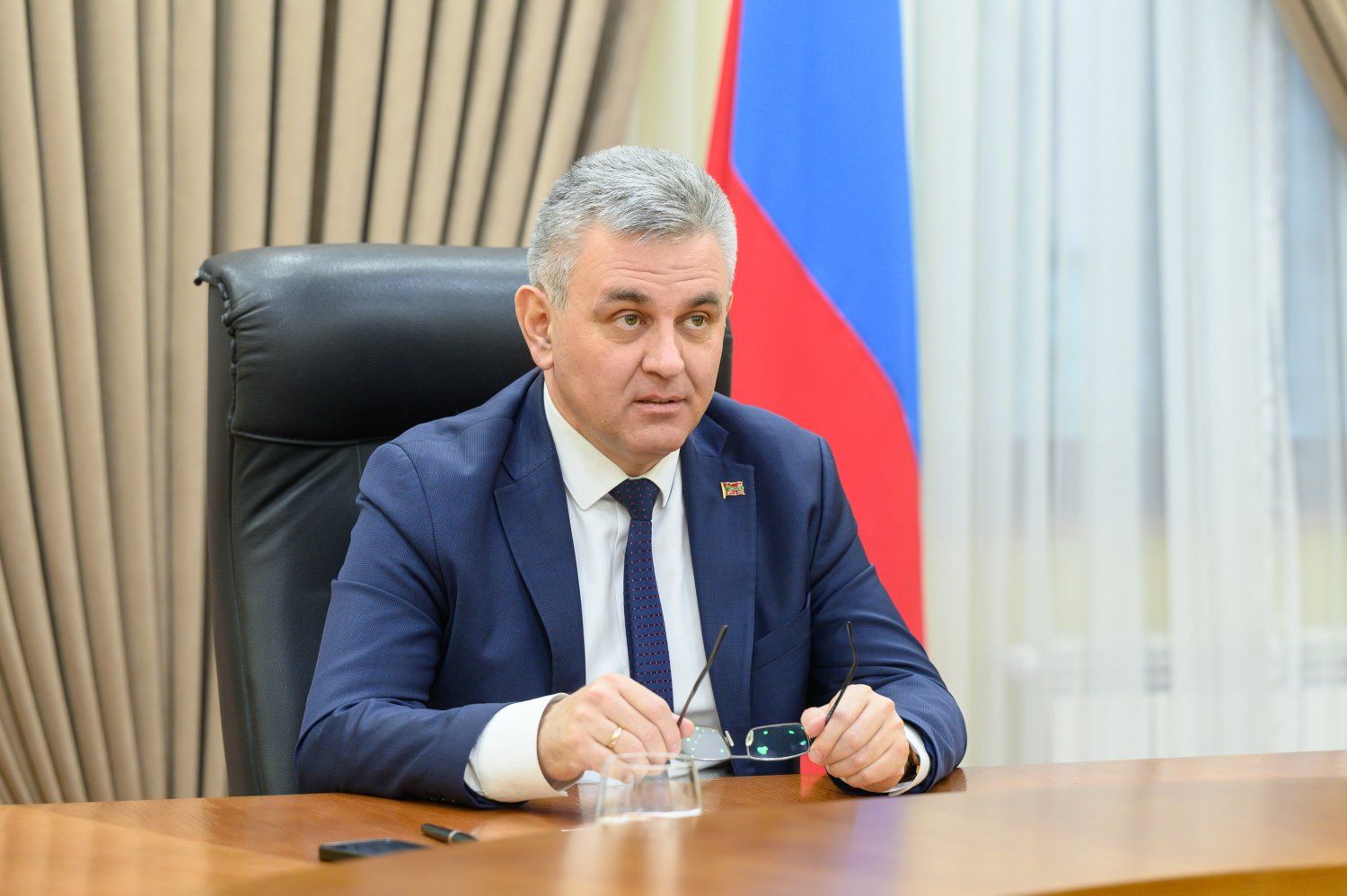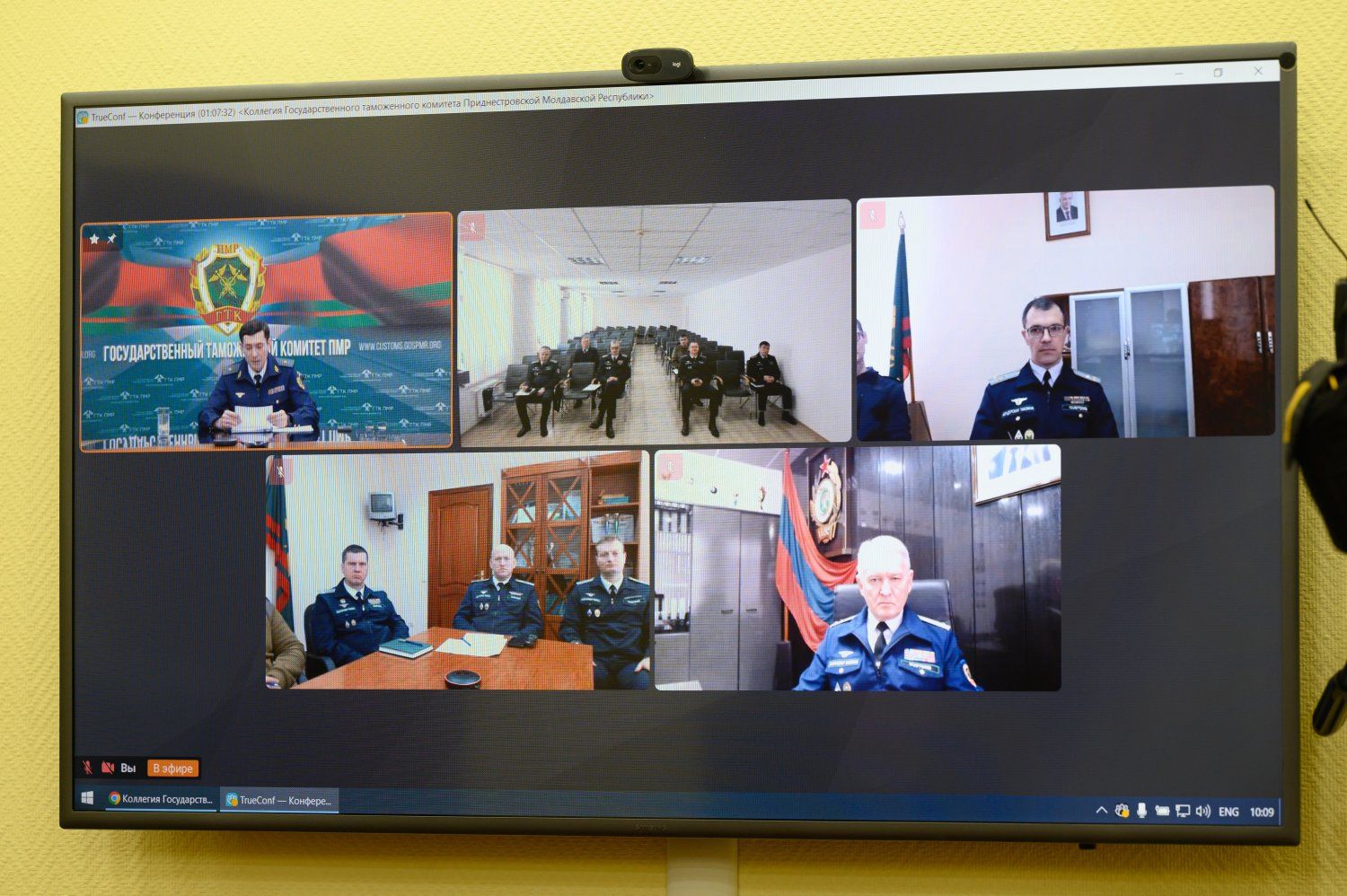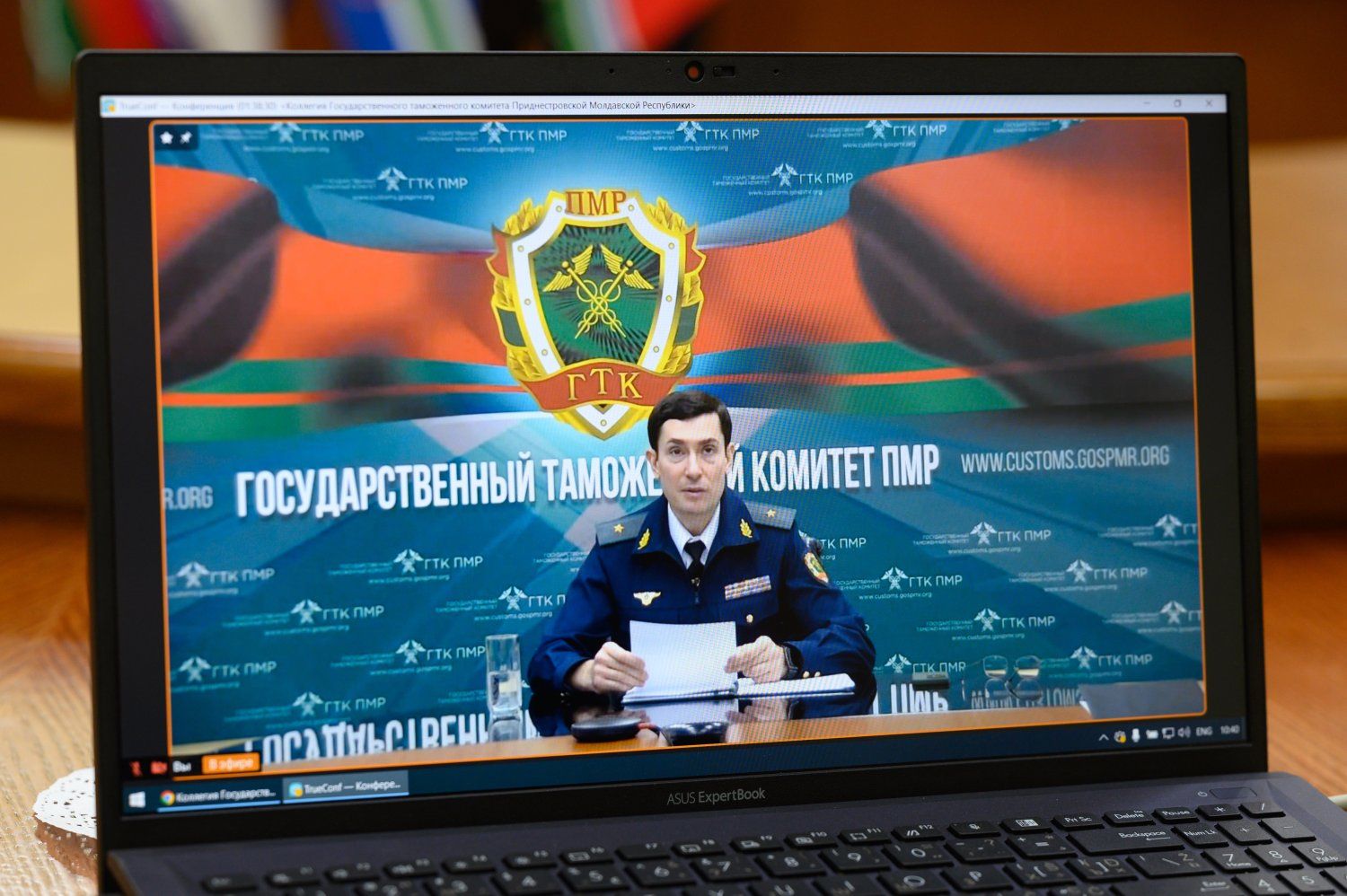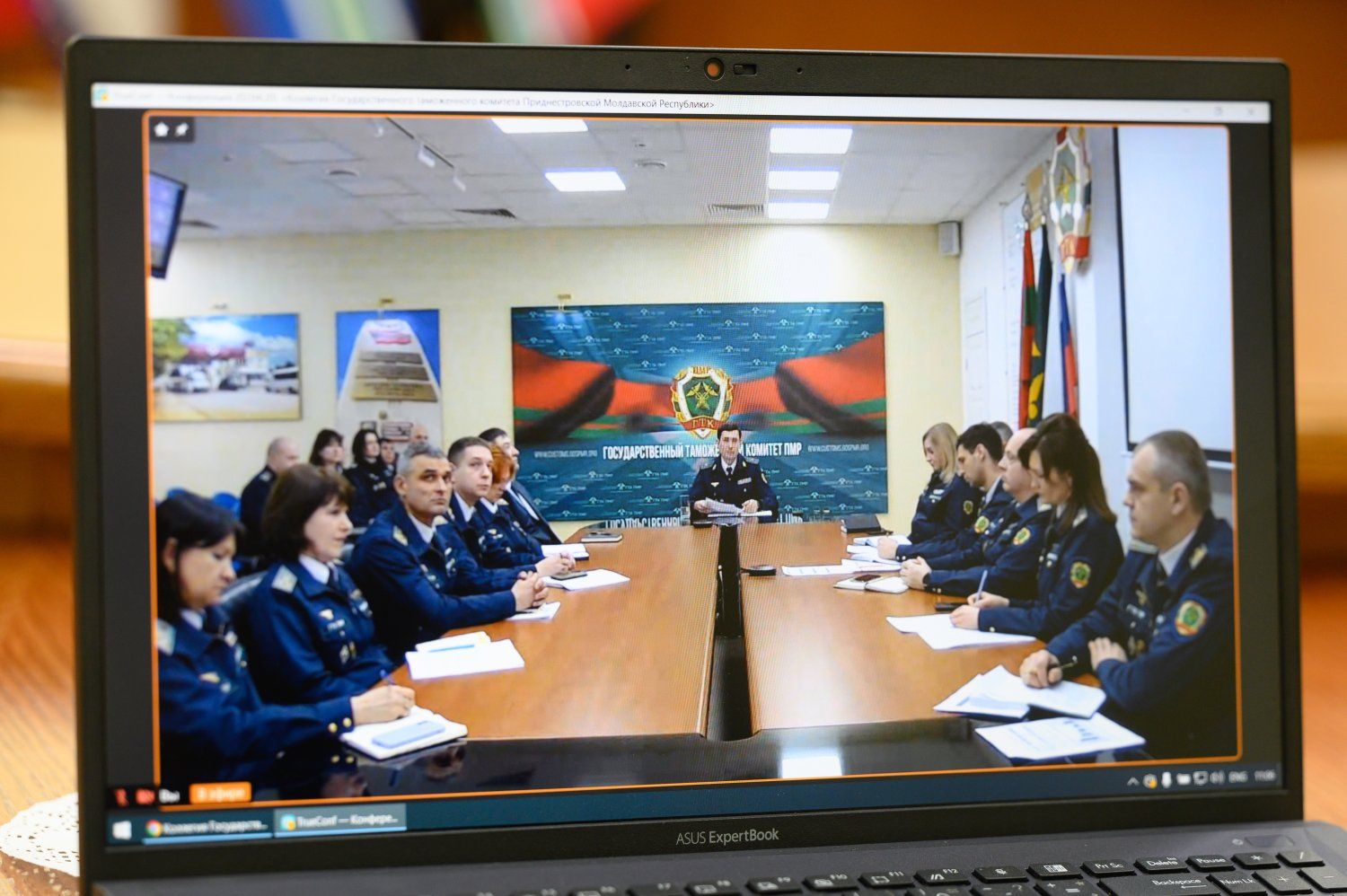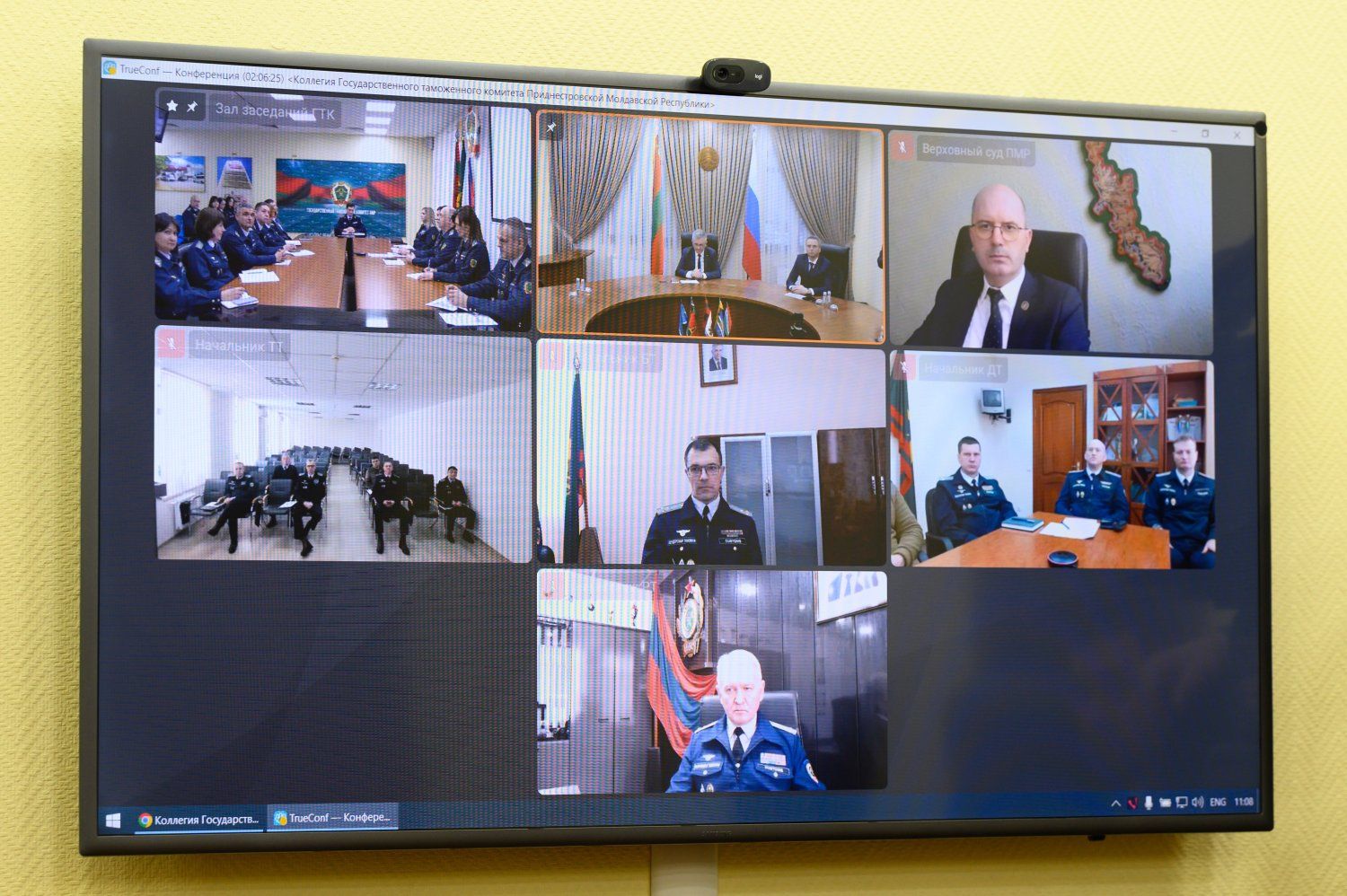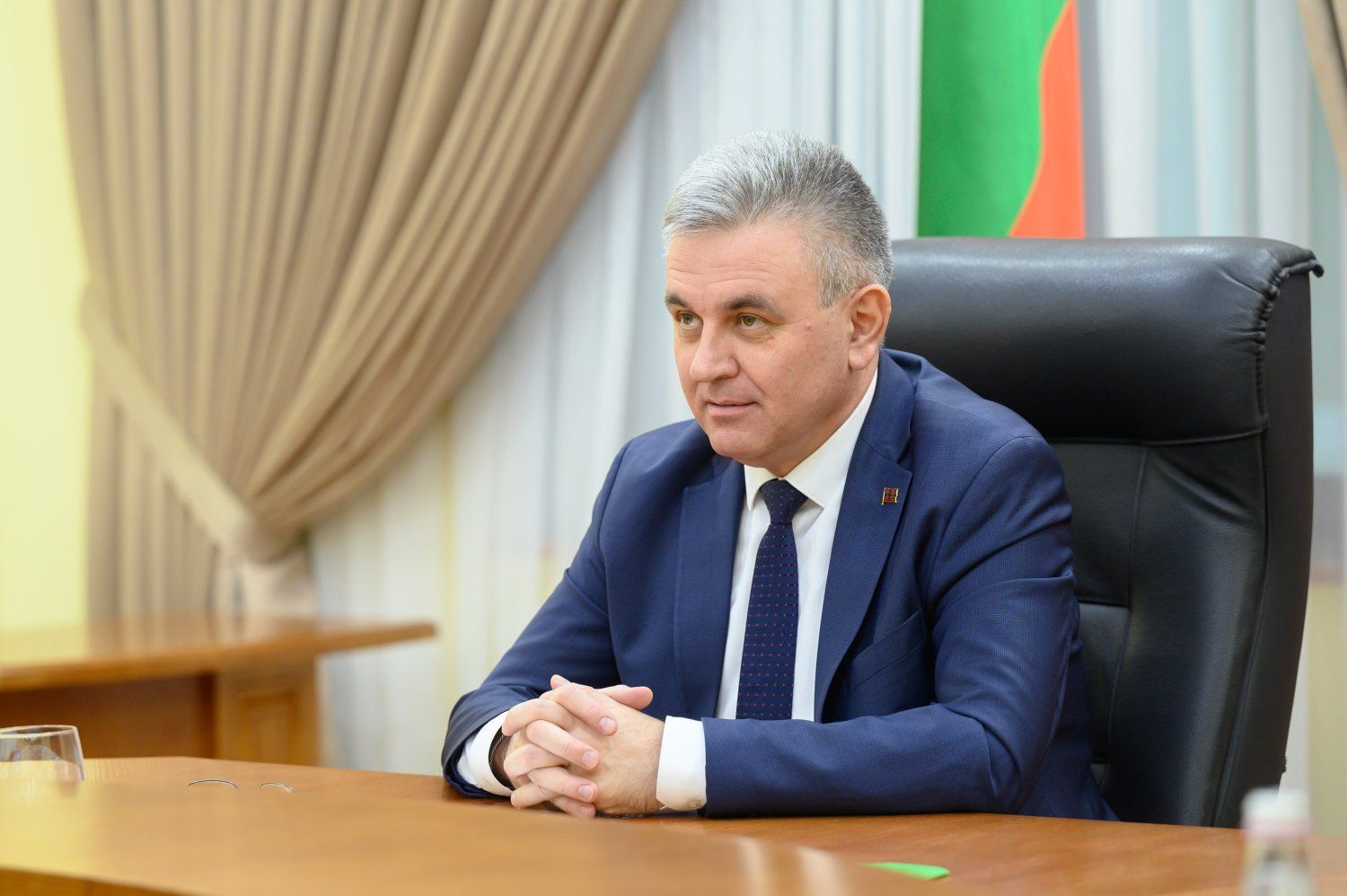
The State Customs Committee of the PMR held a Board meeting to discuss the activities of customs authorities in 2025. The President of the PMR participated in the extended meeting. Vadim Krasnoselsky heard the report of the State Customs Committee Chairman, assessed the work accomplished by customs agencies, and made recommendations for its further improvement.
Presenting the key indicators, Valentin Grabko, Chairman of the State Customs Committee of the PMR, emphasized that for a realistic assessment, it is important to consider the circumstances of the reporting period. Pridnestrovie experienced energy conservation, industrial downtime, a closed border with Ukraine, and a banking and, essentially, export blockade by Moldova in 2025. All of this combined led to a significant decline in foreign economic activity and a reduction in trade flows. It was noted that in the reporting year, Pridnestrovian enterprises suffered losses of $13.2 million from Moldova's import customs duties. Total trade turnover last year was $1.7 billion, a 29% decline. Exports fell by 40% to $436 million, while imports fell by 24% (excluding gas imports, 18%), reaching $1.3 billion.
The number of legal entities conducting foreign economic transactions compared to 2024 decreased by 5% (768 remained active), and the number of individual entrepreneurs interacting with customs officials decreased by 26% (1619 patent holders). Geopolitics has impacted the geography of trade partnerships. Trade turnover with the European Union remained at 27% of the total (the same as in 2024), while trade with the Eurasian Economic Union decreased by 27%, amounting to only 10%. Other countries previously accounted for 36% of trade turnover, while in 2025, they accounted for 63%. As for Russia, imports from the Russian Federation decreased by 4%, to $45 million (significantly impacted by the decline in the volume of pharmaceutical products imported from Russia), while exports increased by 14% (excluding gas). The inevitable consequence of the decline in trade turnover was a decrease in budget revenues, down 11% compared to 2024. Nevertheless, the plan was met and even exceeded by 5%. The total amount of customs duties exceeded 827 million rubles. Customs preferences aimed at supporting economic entities and citizens during this difficult socio-economic period were also maintained. The total amount of benefits provided is $10.8 million (one million less than in 2024).
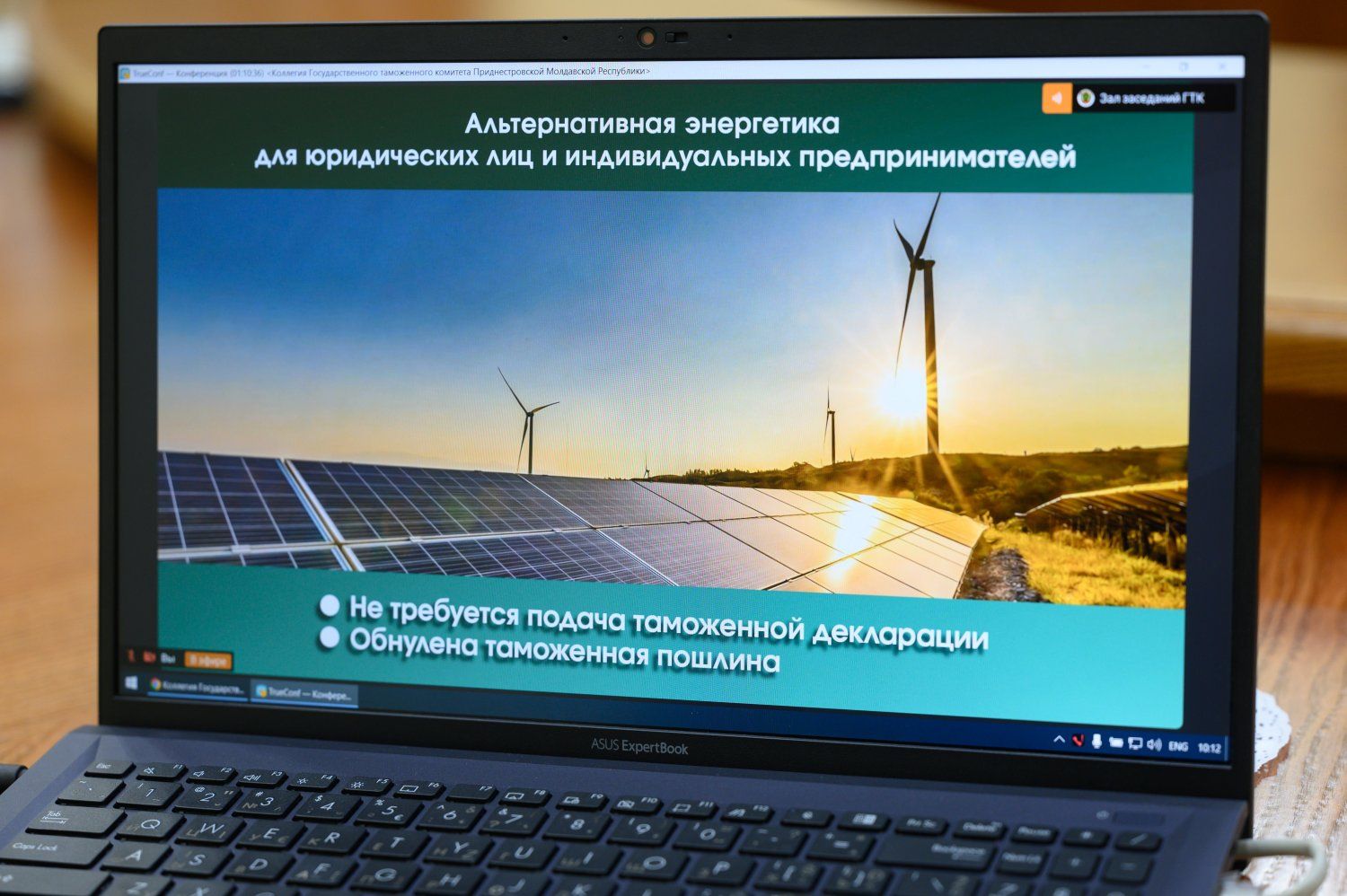
Valentin Grabko described the measures taken by customs authorities during the state of emergency in the country. He mentioned the simplification of customs procedures for importing equipment for alternative energy, electricity and heat generation from both renewable sources and solid fuels, and the waiver of certain import duties.
A large section of the report is devoted to improving customs administration and introducing relevant amendments to current legislation. Achievements in the automation of customs processes and the development of electronic customs are highlighted. Valentin Grabko reported that 124000 electronic declarations were issued during the reporting period. The processing takes two minutes with automatic registration and issuance; when an inspector verifies a declaration, it takes eight minutes for export documentation, and about an hour for import documentation. Fifty-eight percent of declarations were issued without inspector intervention. All legal, software, and hardware tools are ready for 100% coverage, but mandatory electronic declarations have been postponed due to the complex circumstances of the past year. Speaking about the development of customs services, Valentin Grabko noted that the official website of the State Customs Committee currently features six online assistants providing users with reference information. These include the "Vehicle Registration Information" service launched last year and the modernized "Classification Decisions" tab. The speaker particularly highlighted the advantages of the "Personal Account" service, which was launched in test mode this month.
Speaking about interactions with citizens and the public, Valentin Grabko reported that over the past year, 600 written requests and 968 received via the State Customs Committee's hotline have been processed. Furthermore, legal department specialists have provided over 2000 consultations via Telegram and Viber messengers.
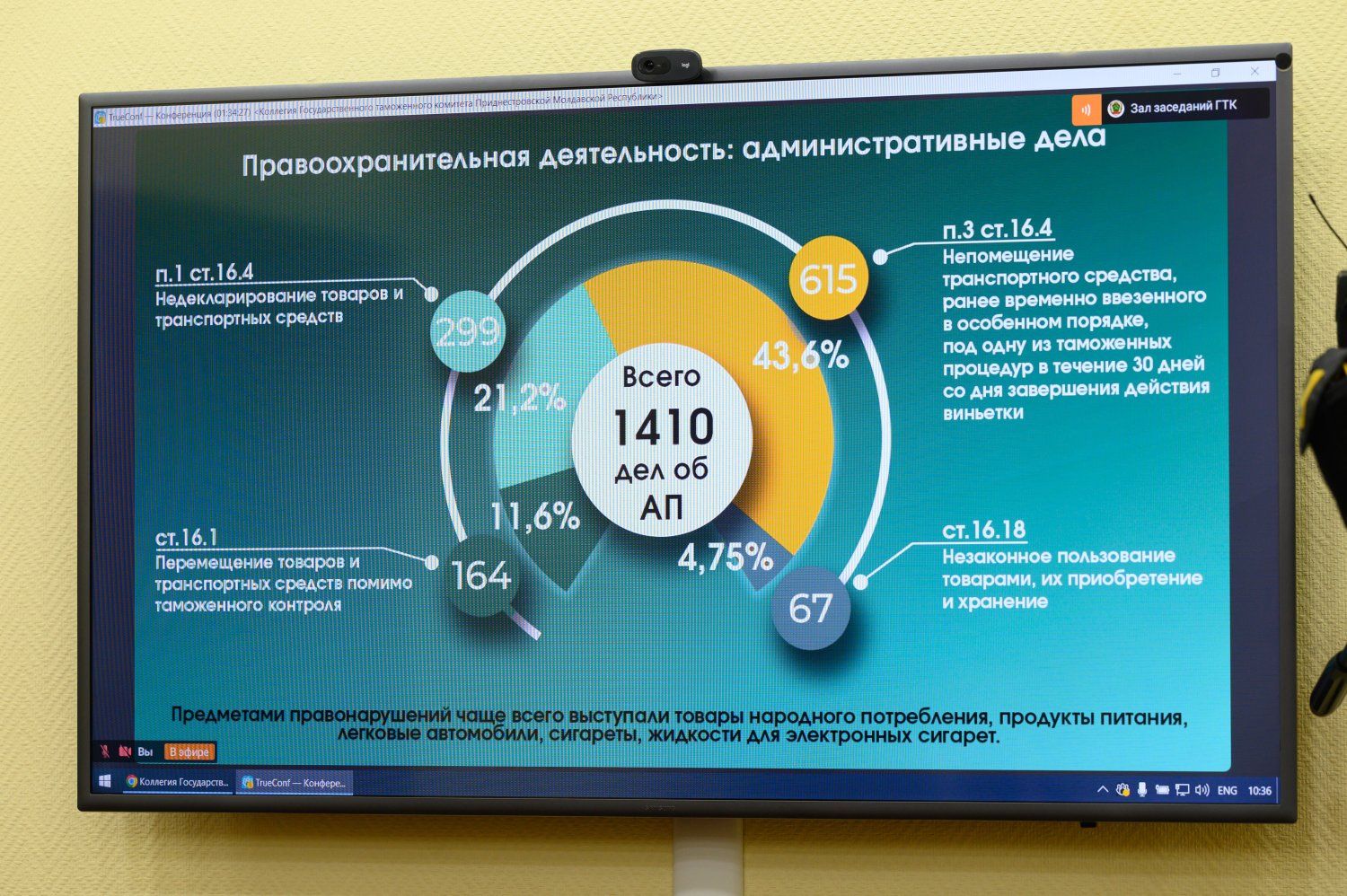
The law enforcement activities of the State Customs Committee of the PMR have identified 1410 administrative offenses. This figure is 14% lower than the 2024 average, while the amount of fees and fines collected is 10% higher (4.9 million rubles). 84% of administrative offenses were committed by individuals, 9% by sole proprietors, and 7% by organizations. Regarding criminal cases, 23 were opened for the illegal movement, use, and storage of goods and vehicles, as well as weapons, narcotics, and potent substances. Valentin Grabko specifically highlighted cases of the illegal export of strategically important raw materials from Pridnestrovie – fuel wood (two criminal cases and 17 administrative cases), and scrap and waste ferrous and non-ferrous metals (seven cases). The head of the Customs Committee emphasized the interaction between the State Customs Committee and operational units of the Ministry of Internal Affairs and the Ministry of State Security, as well as the Investigative Committee and the Prosecutor's Office of the PMR.
Valentin Grabko described the work being done to improve customs infrastructure and the measures being taken to enhance the professionalism of customs personnel. The Chairman of the State Customs Committee reported that Tiraspol Customs is 79% staffed, Rybnitsa Customs is 78% staffed, Bendery Customs is 71% staffed, and Dubossary Customs is 66% staffed (the committee average is 77%). Staff turnover is 14%. Last year, 59 applications for employment with customs authorities were submitted for review, with 24 approved. Amendments to the Customs Code of the PMR are intended to reduce staff turnover. These amendments include raising the age limit for customs officers.
The State Customs Committee commended the opening of the "Border Pillars" historical complex, which was directly attended by State Customs Committee staff.
The President assessed the work of the PMR State Customs Committee, recommended improvements, and issued several instructions. Vadim Krasnoselsky, noting that customs legislation is quite complex to apply, encouraged customs specialists to participate in the development of the regulatory framework. He urged them to address any legal conflicts they may encounter and to initiate and facilitate the elimination of any discrepancies and ambiguities in the understanding of customs regulations. The President emphasized the implementation of their task of launching the "Personal Account" service. He emphasized the importance of ensuring information security and preserving the personal data of users of this service. The President praised the progress made in digitalizing customs and called for further development in this area.
An issue to which the President devoted particular attention was drug trafficking. Vadim Krasnoselsky spoke about the uncovered cases of smuggling synthetic narcotics. While transit through Moldova is underway, there is a high risk of drugs ending up in the neighboring republic and entering Pridnestrovie. The President instructed the Customs Committee to intensify cooperation with the Ministry of State Security of the Pridnestrovian Moldavian Republic and the Ministry of Internal Affairs of the Pridnestrovian Moldavian Republic to prevent negative developments. Vadim Krasnoselsky emphasized in this regard the importance of maintaining customs and border posts on the Pridnestrovian border. The President instructed the leadership of the State Customs Committee to reward specific employees for each instance of drug smuggling detected. Furthermore, the President recommended increasing the use of sniffer dogs, which will undergo additional training.
The President addressed the issue of improving customs infrastructure. He instructed that work continue, including at the currently most frequently used checkpoints in the Chisinau and Kaushany directions. Vadim Krasnoselsky expressed gratitude to the personnel of the State Customs Committee of the PMR for their service and contribution to maintaining economic activity and development of the Pridnestrovian Moldavian Republic.