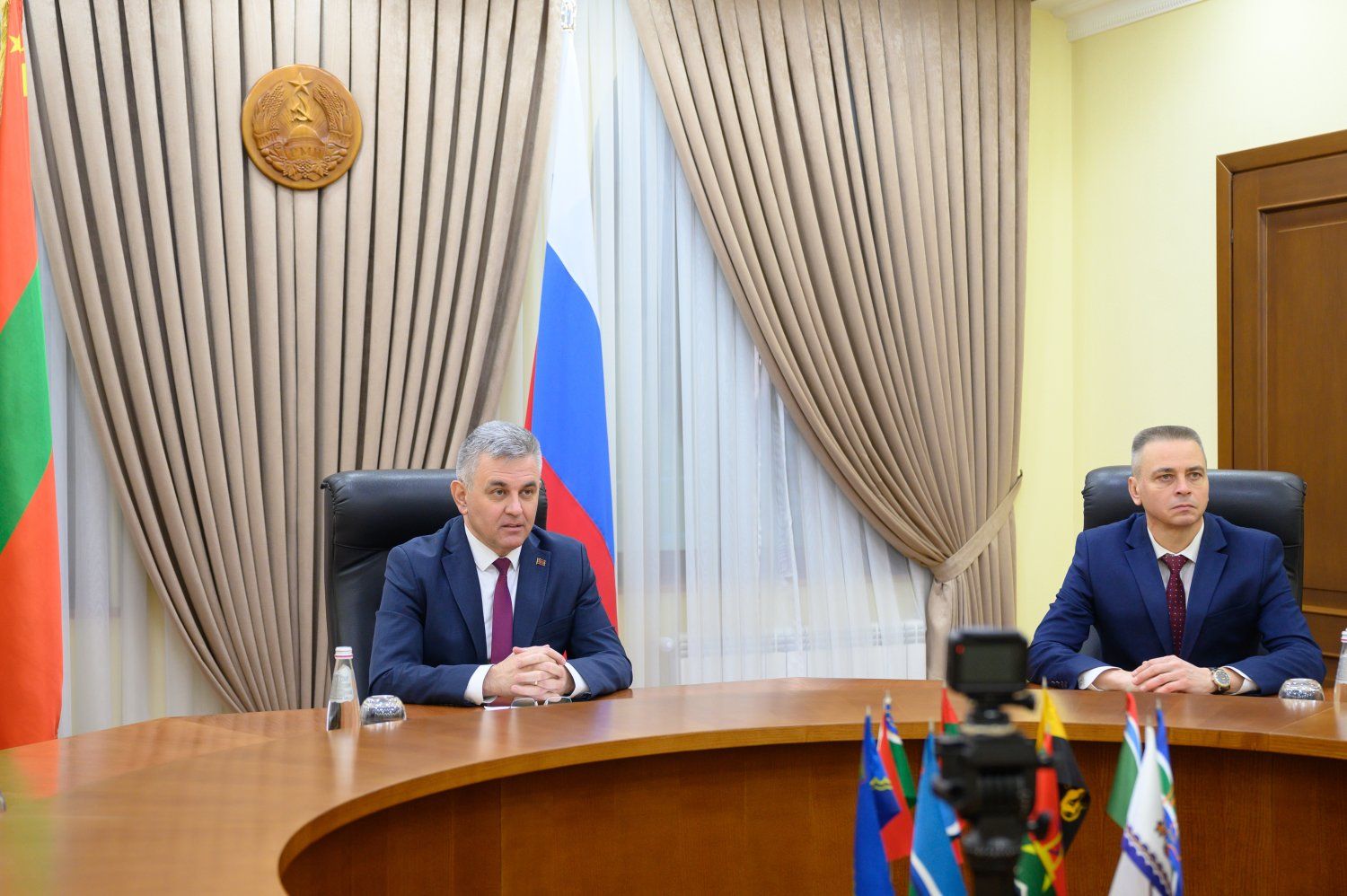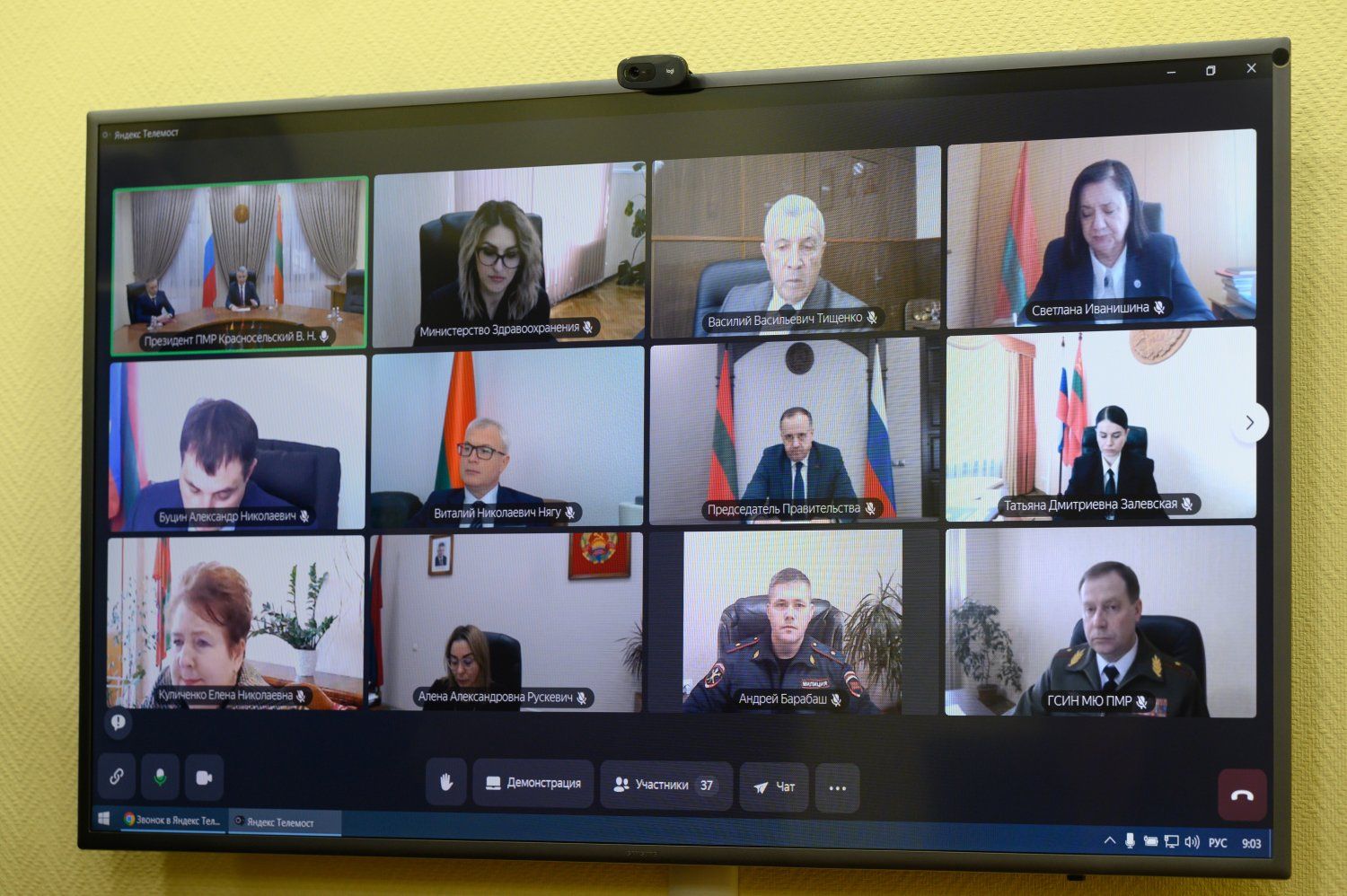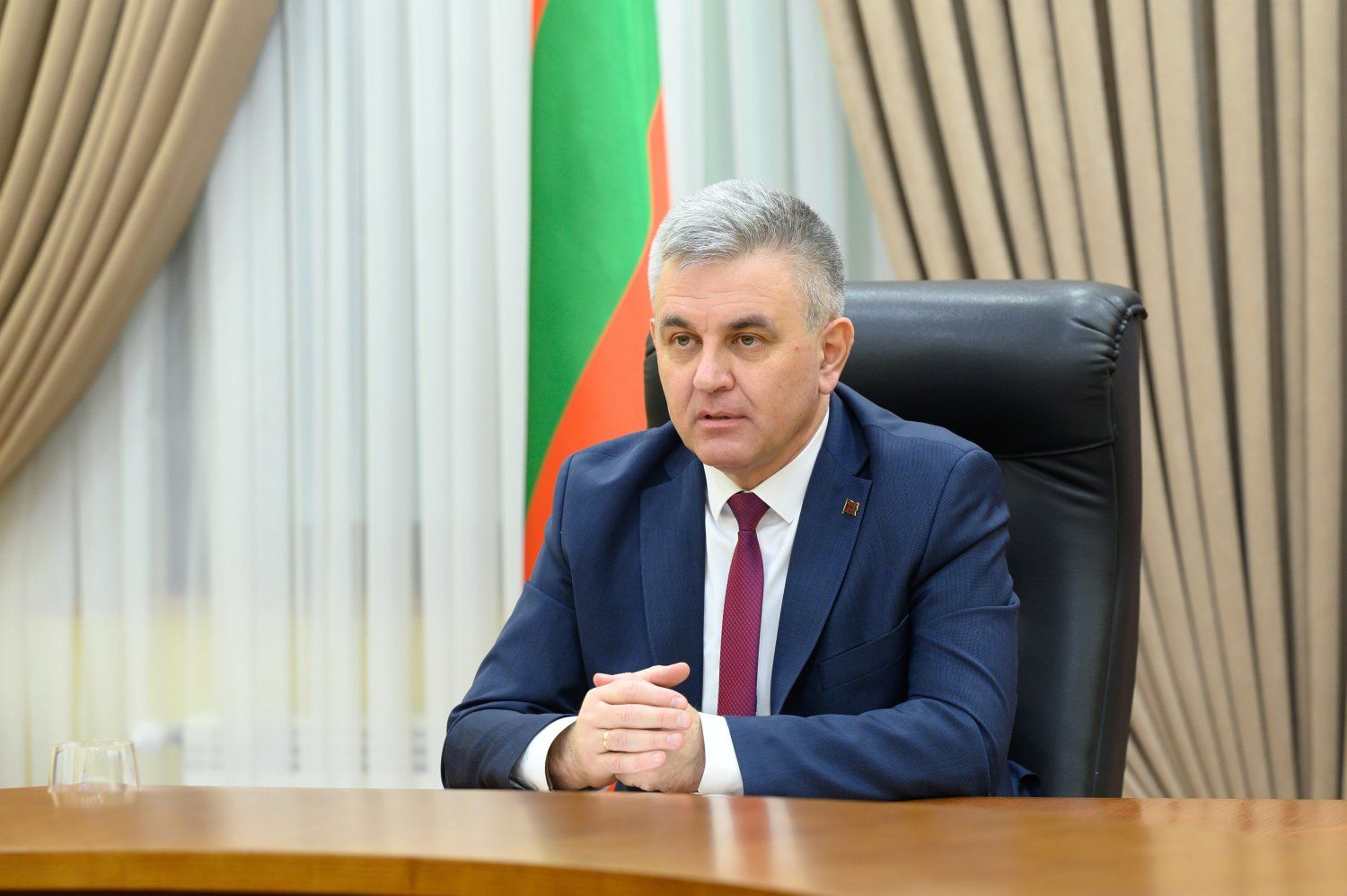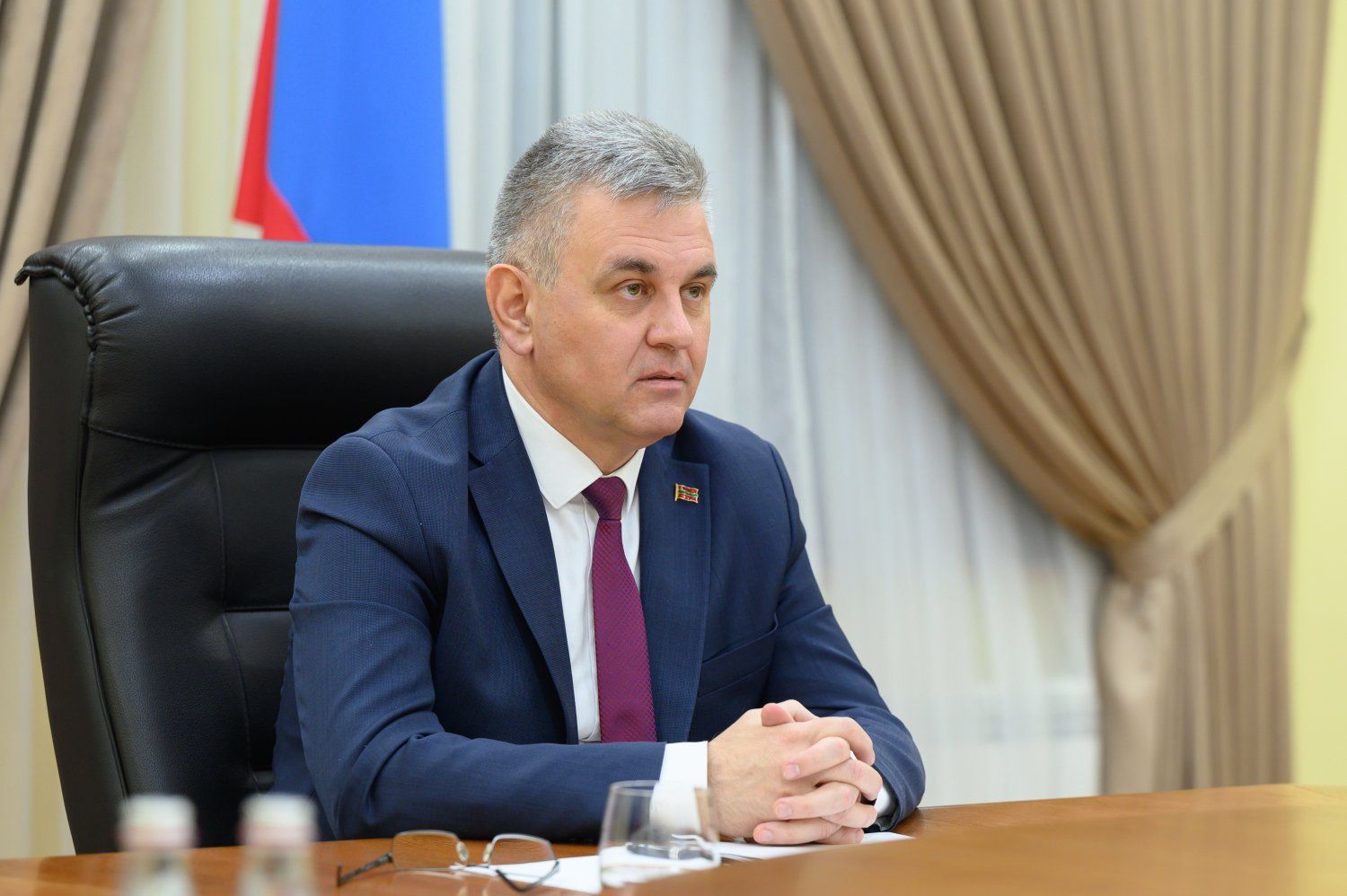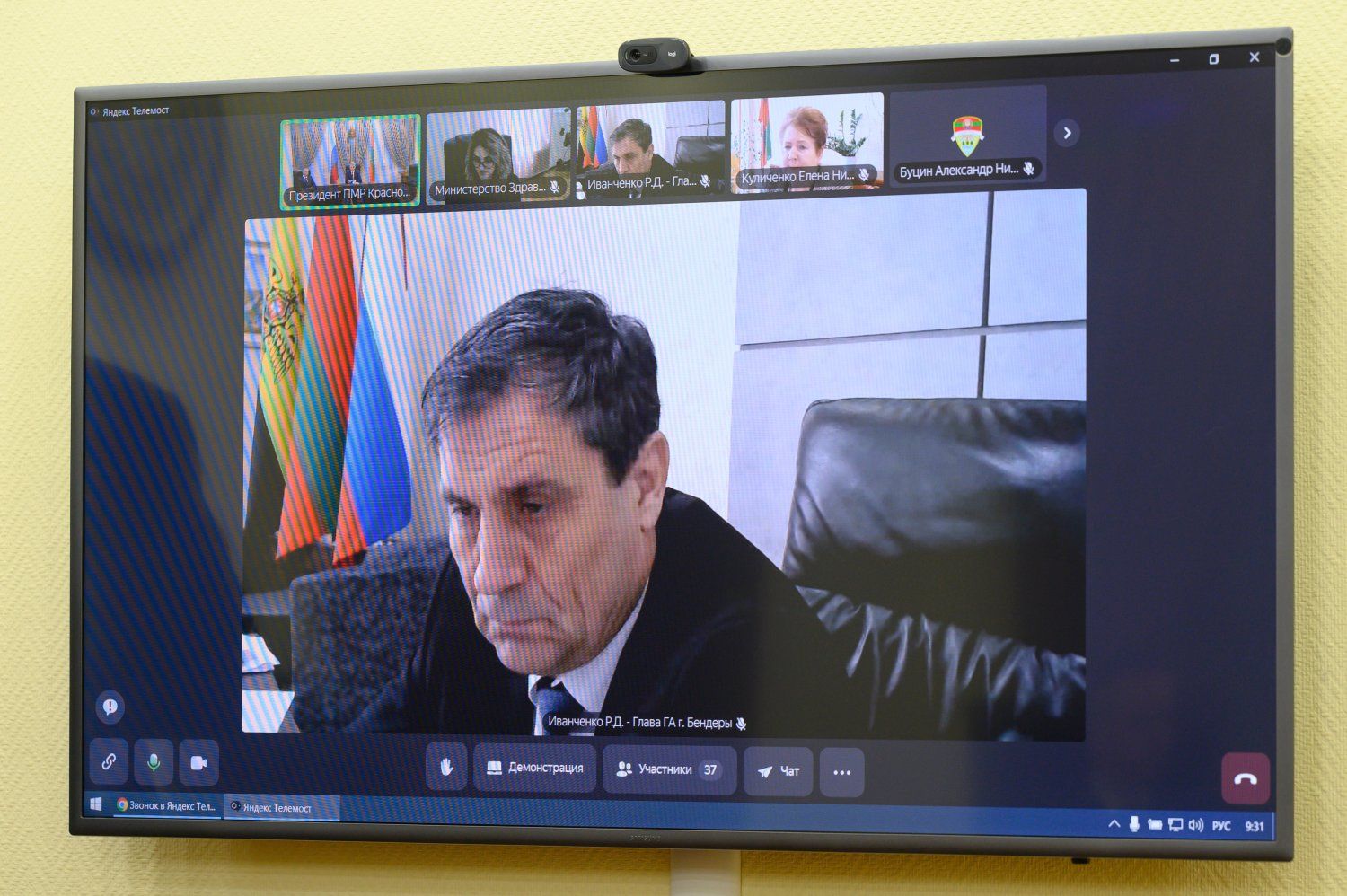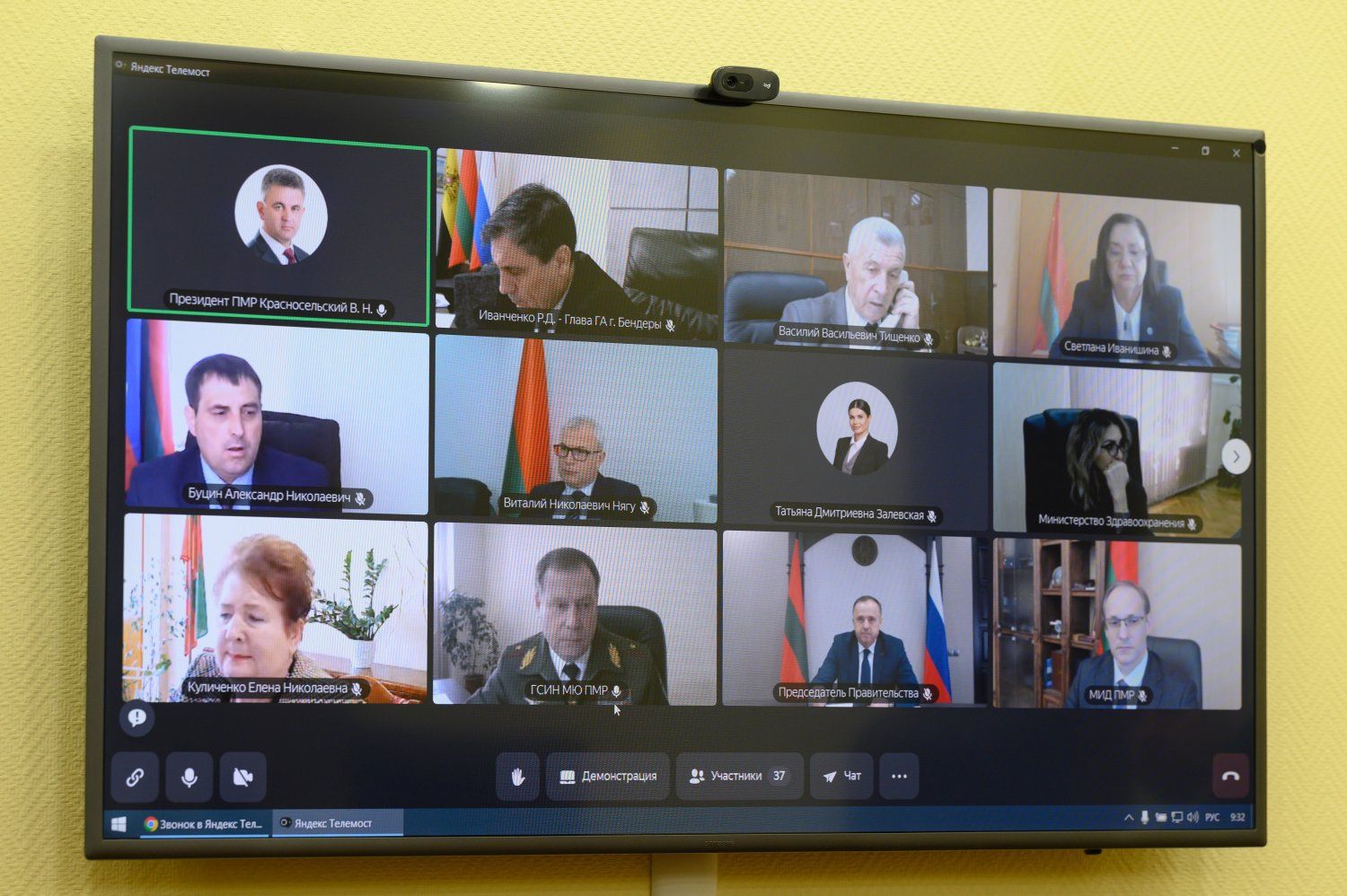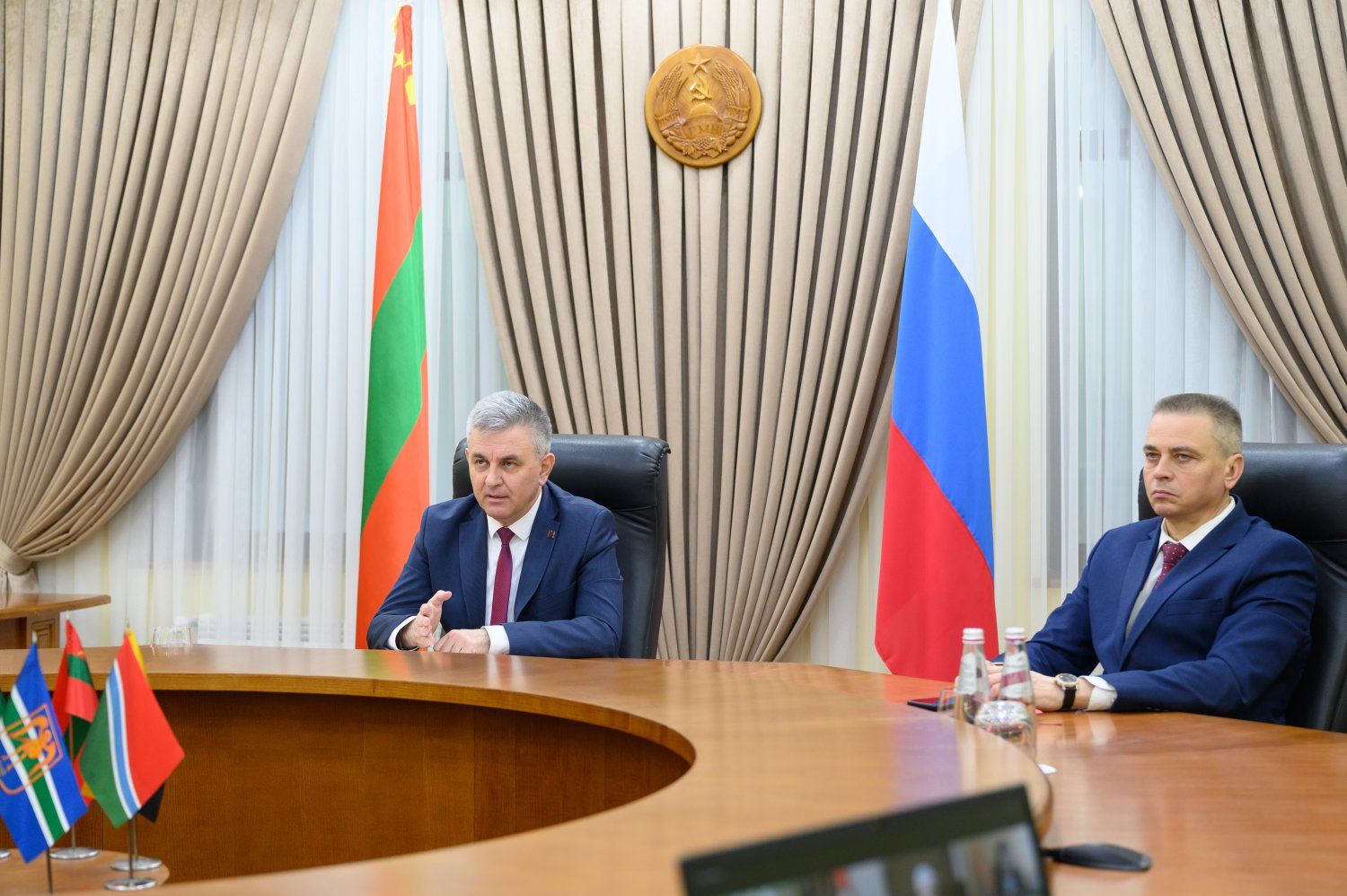
The PMR President convened the heads of state authorities and administrative bodies for a major meeting. The need for this urgent meeting is due to the risk of a new round of the energy crisis. This time, the restrictions on natural gas supplies are related to events unfolding in the Middle East, which have disrupted not only the logistics of natural gas supplies but also payments.
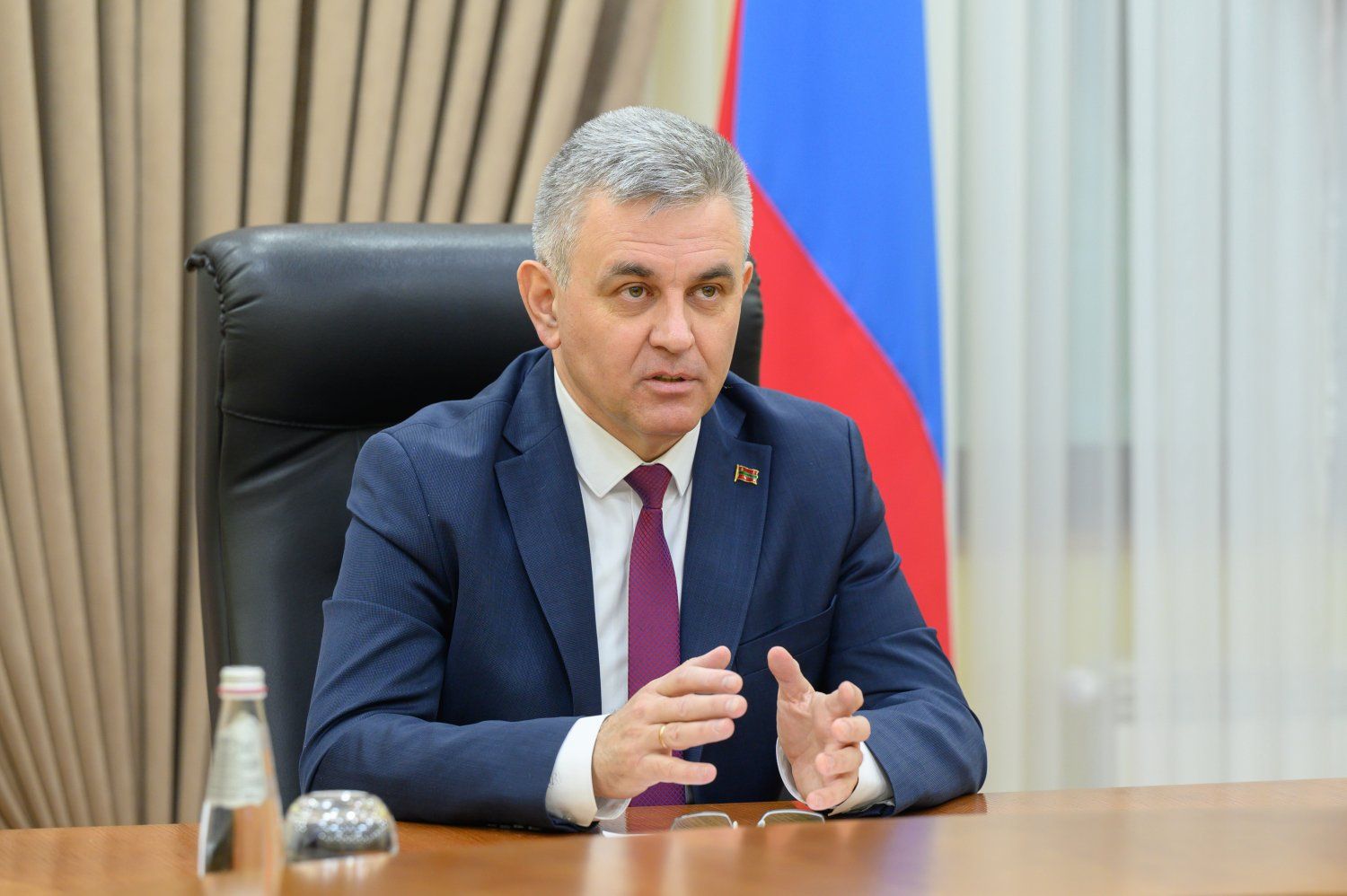
Vadim Krasnoselsky, addressing officials and the entire Pridnestrovian people, called for an end to panic and to respond to the challenges with thoughtful, coordinated measures. The President informed them of the decisions made the previous day regarding the implementation of measures under Plan A, provisionally referred to as "Plan A". This is energy conservation regime. The work of the Operational Headquarters has resumed. It is headed by Deputy Prime Minister Vitaly Neagu on the instructions of the President. Vadim Krasnoselsky remains in overall command. Deputy Chairman of the Government Sergei Obolonik detailed the current situation. He emphasized that measures had been taken promptly to prevent a man-made disaster, maintain the viability of the republic's energy system, and support public life at a possible level. According to Sergei Obolonik, natural gas supplies were sharply reduced, and network pressure dropped to critical levels after March 3. The MGRES was converted to coal by 8 a.m. today. Thanks to the professionalism of its specialists and the coordinated efforts, the transition occurred without interruptions or negative consequences. Pridnestrovians have an unlimited supply of electricity.
Gas is not supplied not only to the MGRES, but also to Moldavian Metallurgical Plant, Cement plant of Rybnitsa, Tirotex, the Tiraspol Brick Factory, BenderyTeploenergo, Metan-Auto, and the TiraspolTransGaz cogeneration unit.
Regarding heat supply, the operation of 158 boiler houses has been suspended since yesterday. Heating has been suspended in 1663 urban residential buildings, as well as in educational institutions. The Ministry of Education will make decisions regarding the organization of the educational process based on the evolving situation. Currently, all students are at their desks – the temperature in classrooms is approximately 19 degrees Celsius. Hot water is being supplied to households. Around a hundred gas boilers are operating to provide hot water, as well as heating for buildings and premises of kindergartens, medical facilities, and social institutions with 24-hour occupancy.
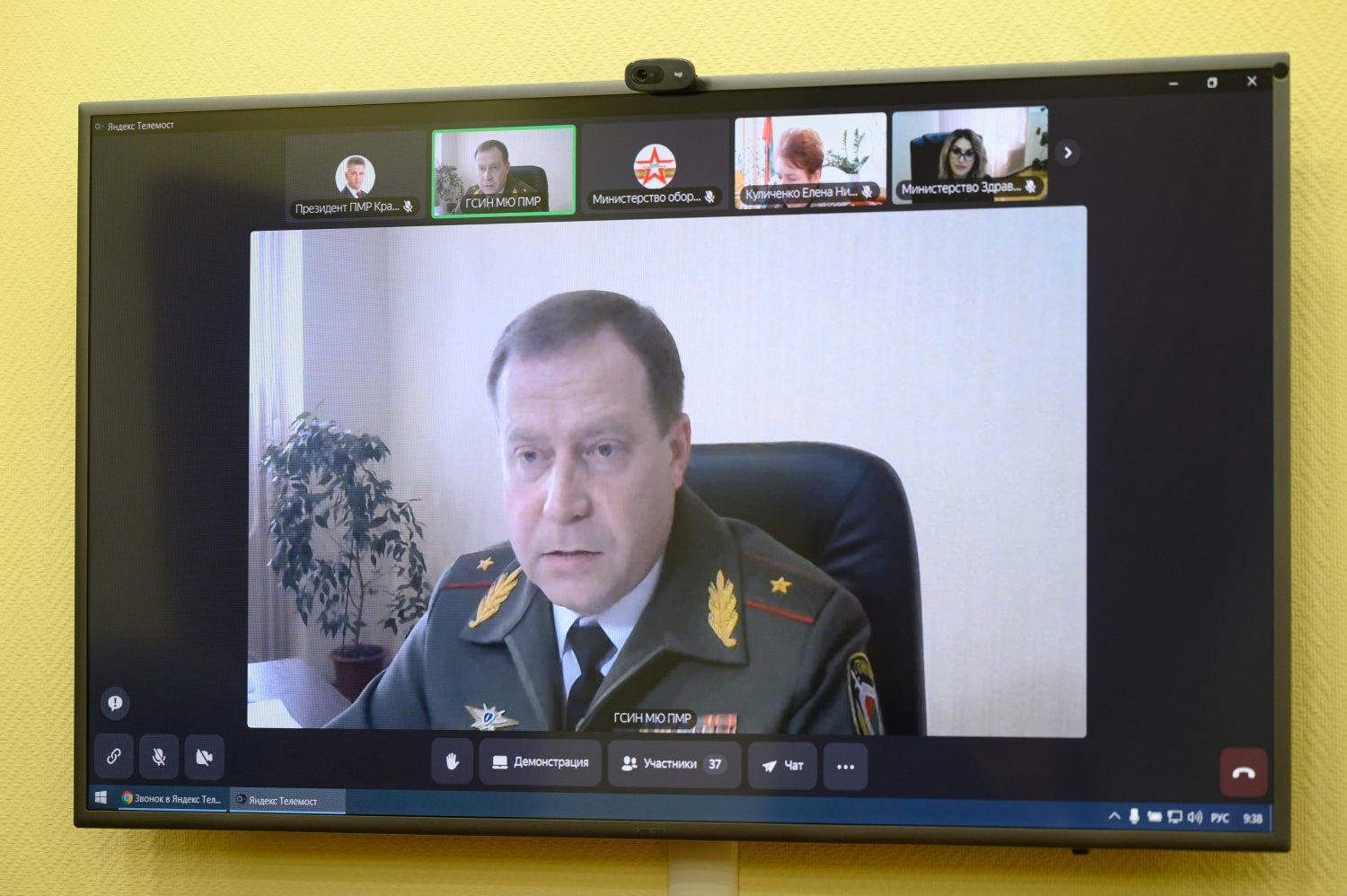
The ministers reported on the functioning of departments and institutions under the limited energy supply, as well as their preparedness in case the situation worsens. The President issued immediate instructions.
Vadim Krasnoselsky thanked the leadership of the Russian Federation and relevant agencies for their assistance in resolving the problems faced by Pridnestrovie in providing energy to the republic's population. Words of gratitude were addressed to the leadership of Moldova for their understanding of the situation and the fact that the energy problem is a common one and must be addressed jointly.