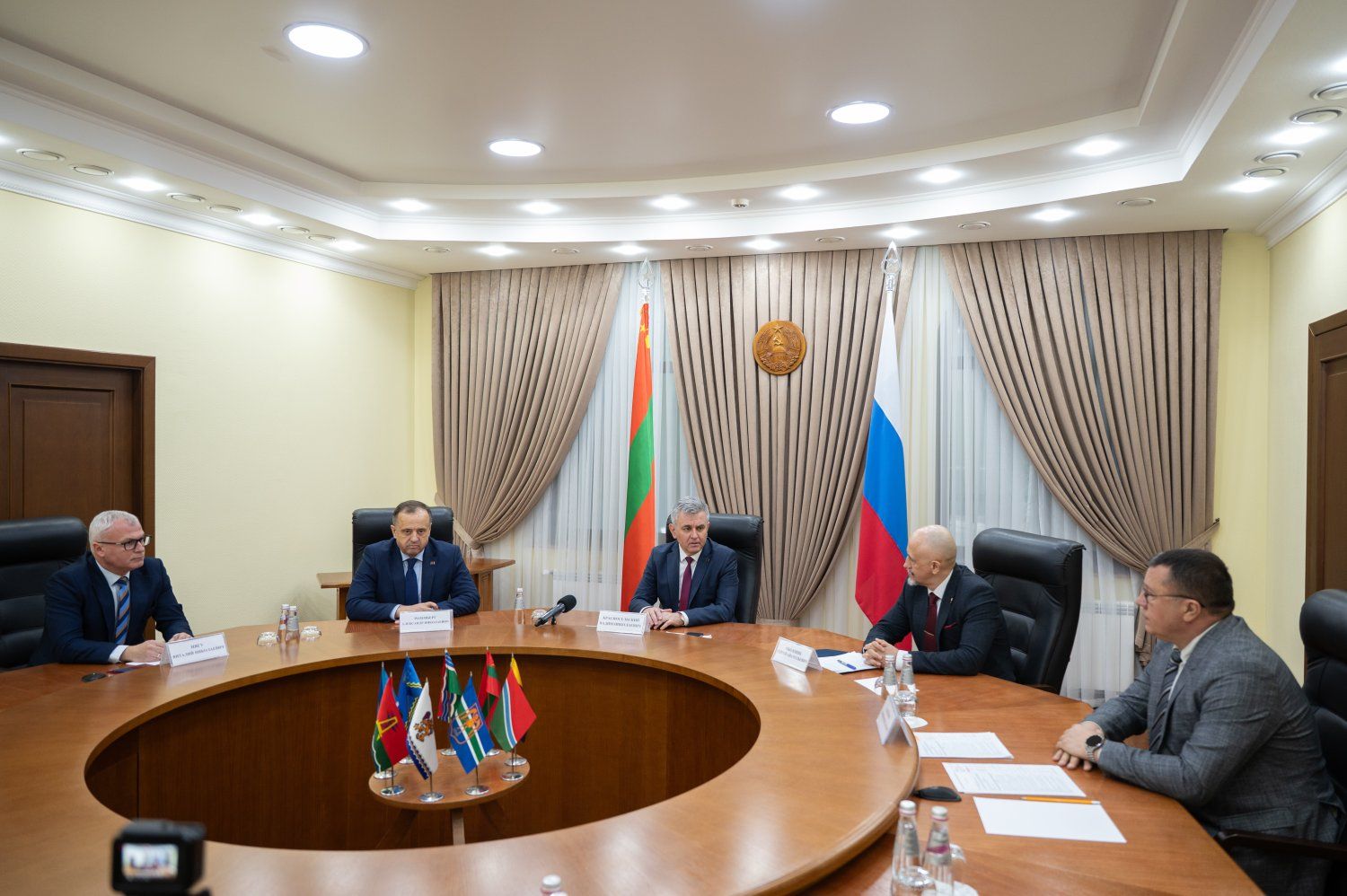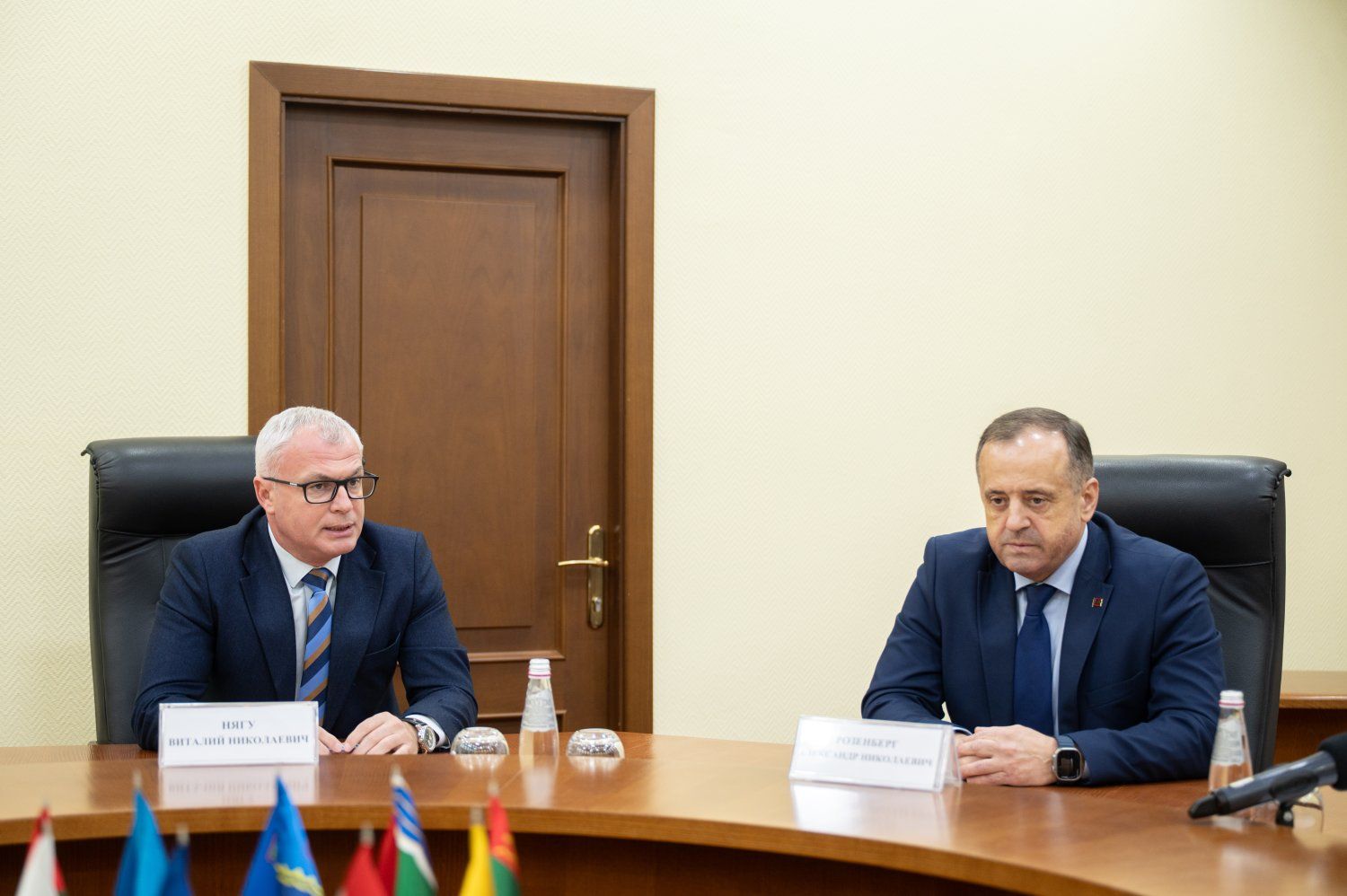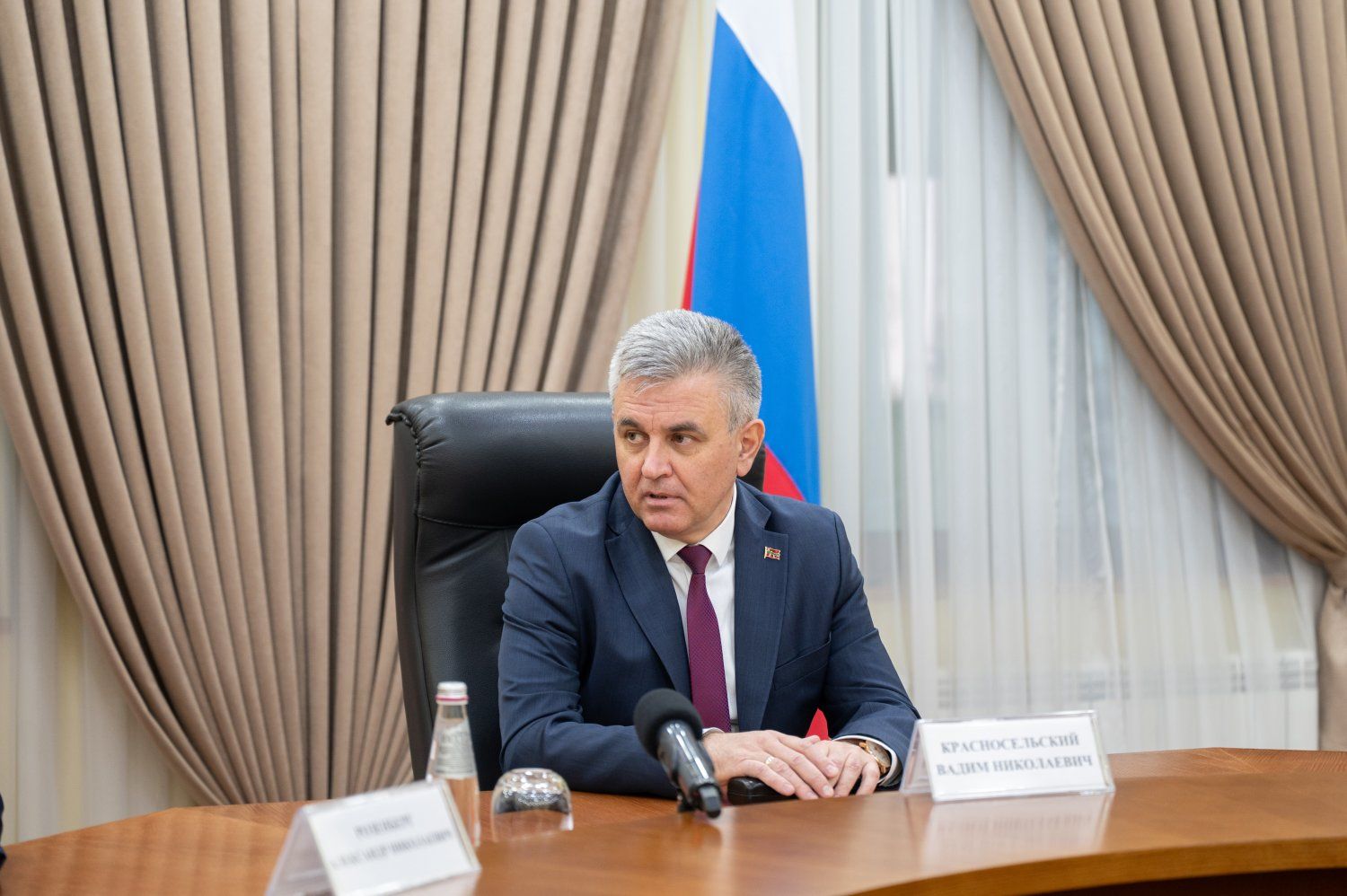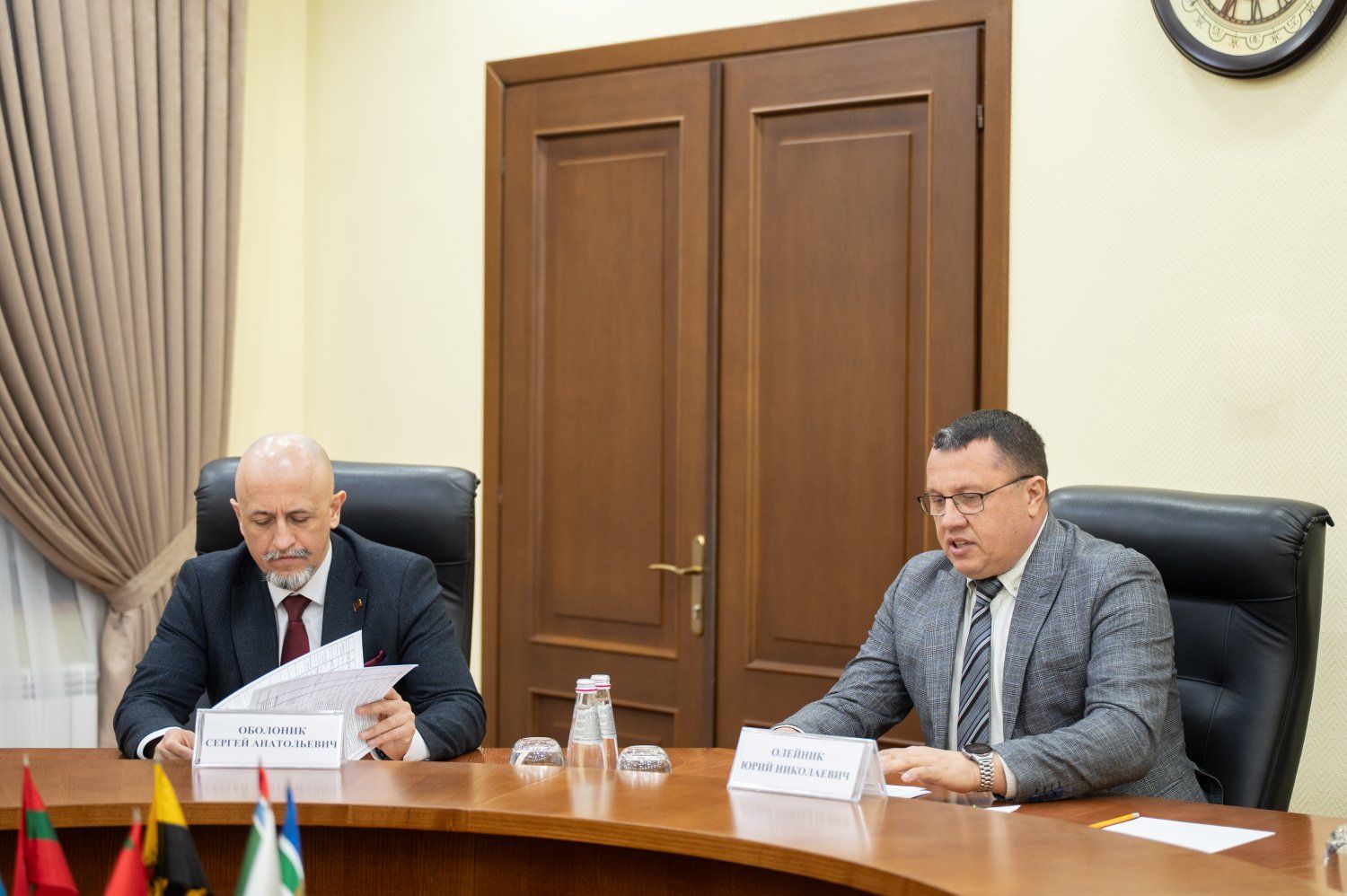
Vadim Krasnoselsky held a regular meeting on the Capital Investment Fund. The President invited the PMR Government Chairman Alexander Rosenberg, his deputies Sergey Obolonik and Vitaly Neagu, and Deputy Minister of Economic Development and Head of the Department of Construction, Architecture, and Road Management Yury Oleynik to the working discussion. The President was briefed on the results of the commission's inspection of the facilities included in this year's state capital investment program. Vitaly Neagu chairs the commission. He reported to the President on the findings of the inspection, outlined the estimated completion dates, and outlined issues requiring discussion and joint resolution.
Funds from the Capital Investment Fund are being allocated to continue work at various Ministry of Healthcare facilities this year. This includes the Republican Clinical Hospital (administrative building, food service unit, infectious diseases department, CT section, and cardiology building) in Tiraspol; the city hospital and the Mother and Child Center in Bendery; operating rooms in Dubossary and Rybnitsa; and outpatient clinics in Grigoriopol and Slobodzeya. Schools, kindergartens, and Wittgenstein Park will continue to be renovated and improved through the 2026 Capital Investment Fund in Kamenka District. Yury Oleynik detailed which institutions plan to fully complete the work, while others will limit the work to individual floors or blocks at this stage.
Vitaly Neagu elaborated on the progress of infrastructure renovations at the capital's hospital. He explained which work contractors are committed to completing within three months, and which within six months. The Deputy Government Chairman noted that it appears realistic to complete the entire scope of work currently underway at the Republican Clinical Hospital by the end of this year. Vitaly Neagu mentioned during the meeting an issue raised by contractors regarding the financing process. Advance payments by the client allowed for the purchase of materials and equipment at the beginning of the year previously. This system was recently abandoned, leading to a shortage of working capital for contractors. Construction companies fulfilling government contracts are asking that at least a minimal advance payment under the contract be considered. Vadim Krasnoselsky explained that the restrictions were a necessary measure. They were introduced due to the discovery of serious abuses by some contractors. Criminal cases have been initiated based on these cases. The President emphasized that unscrupulous business entities have cast a shadow over the entire construction industry, forcing the government to respond promptly. The investigations have allowed the President to separate the wheat from the chaff. He considers that it's necessary at this stage to revisit the possibility of partial prepayment, at least for proven contractors who have proven their integrity through long-term cooperation. The details of the mechanism are being worked out.