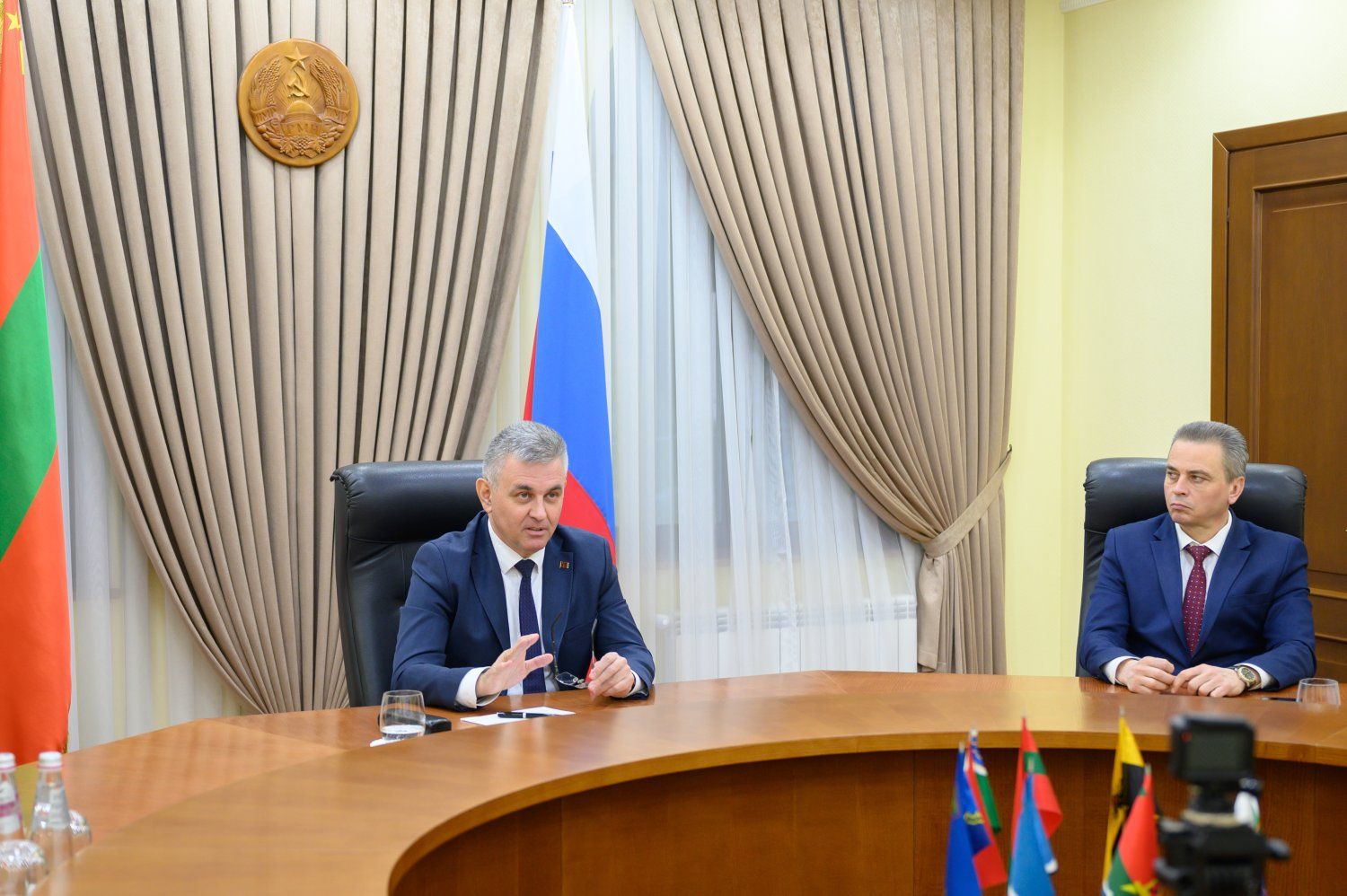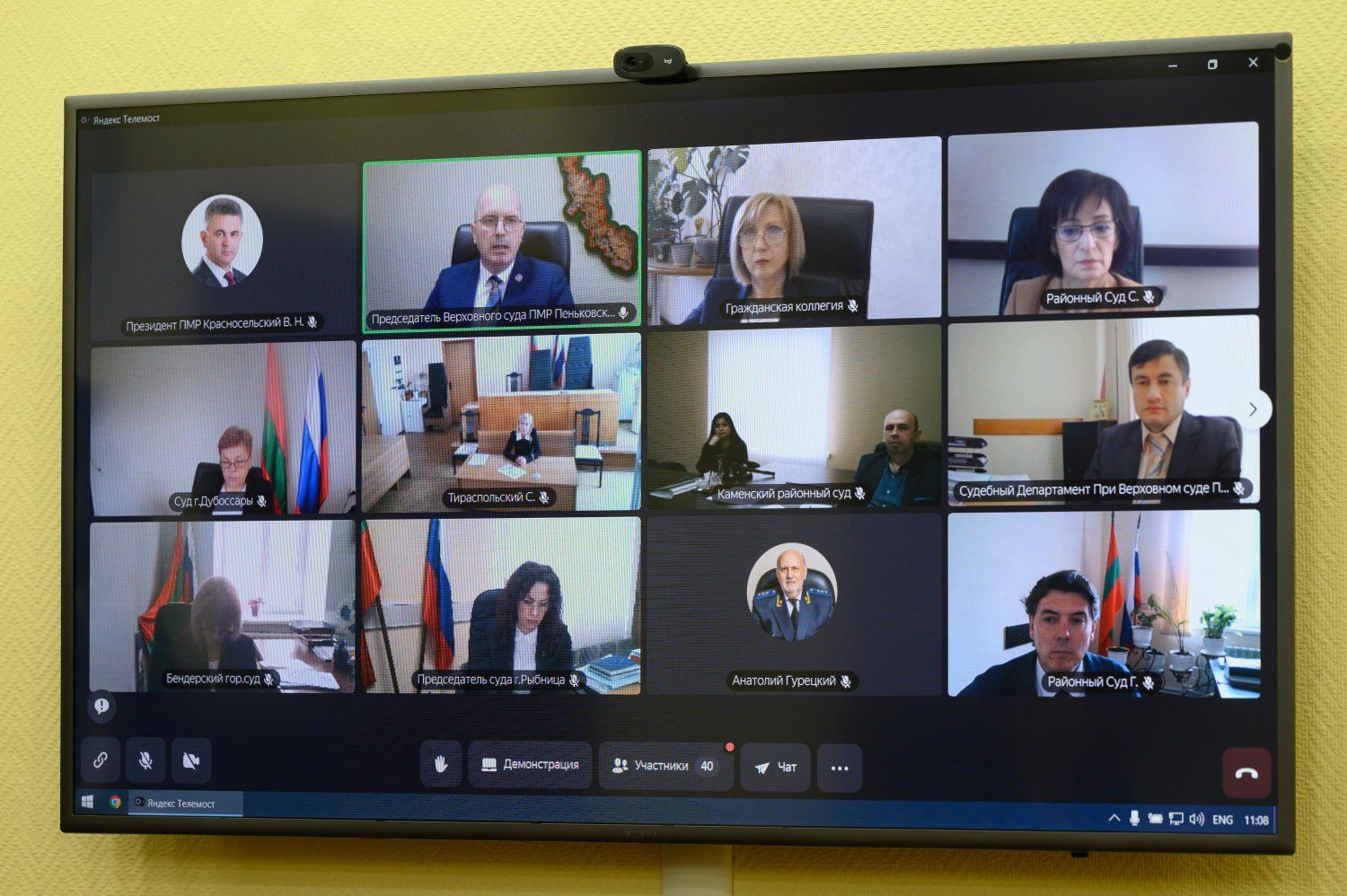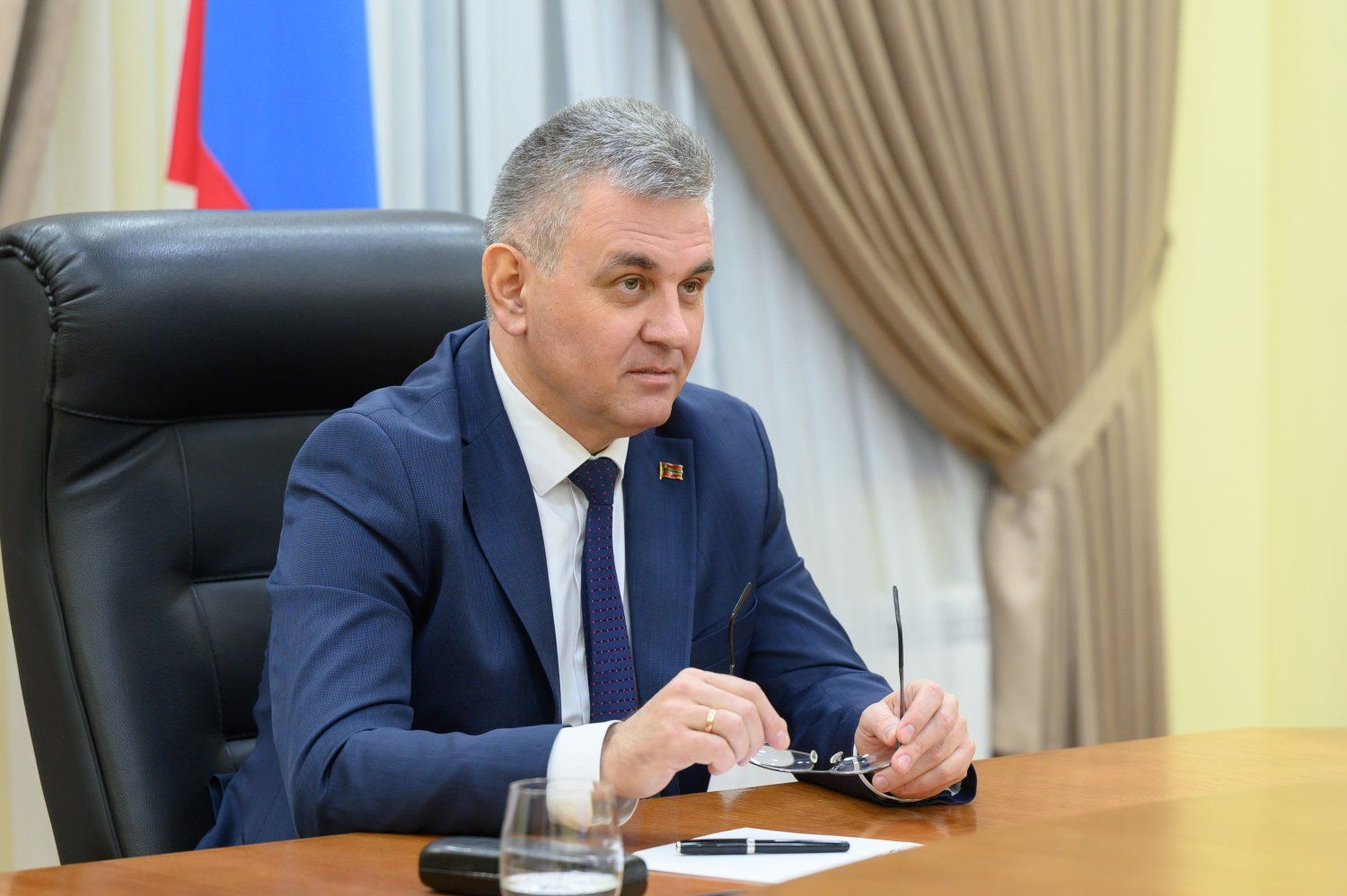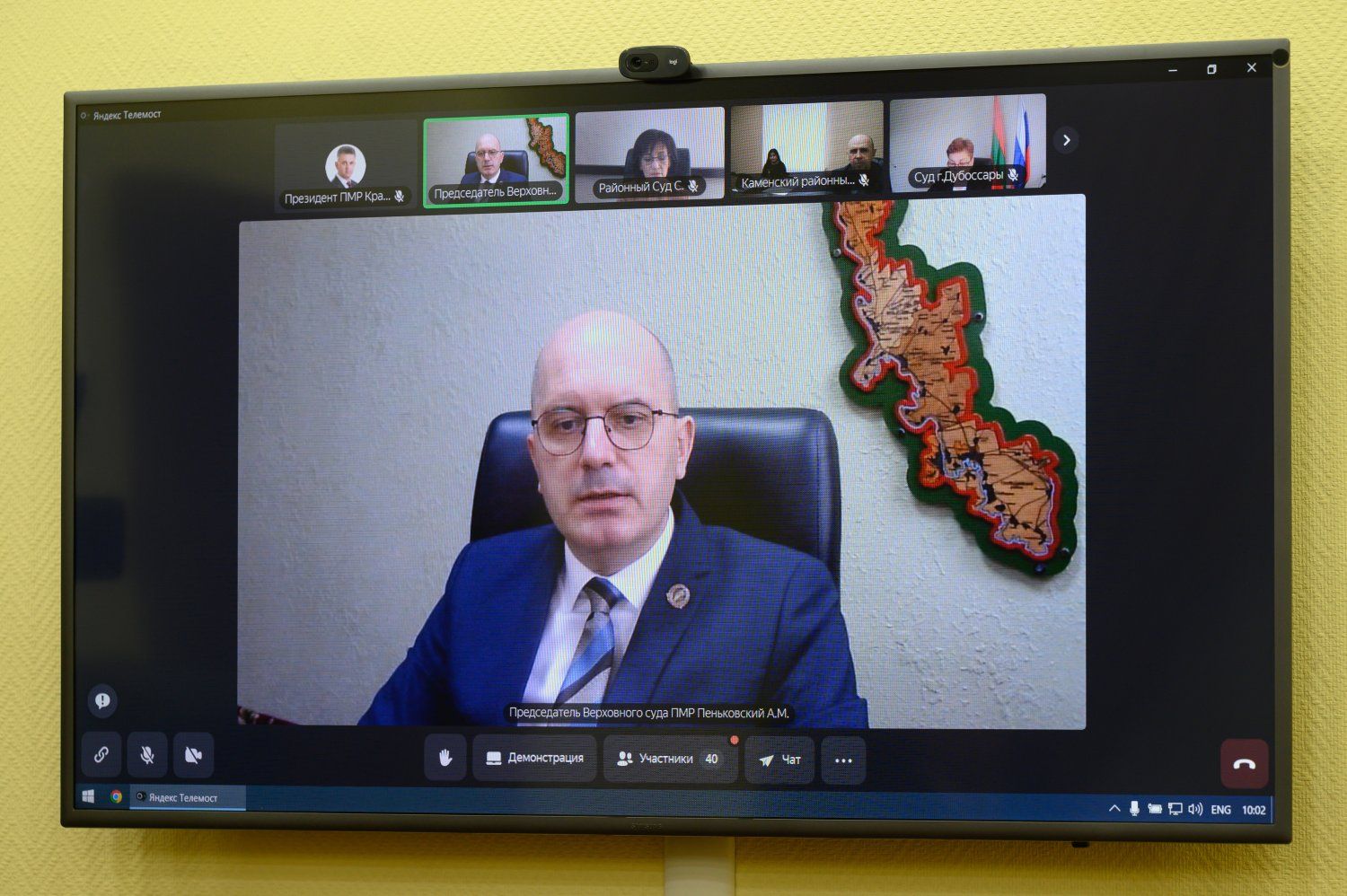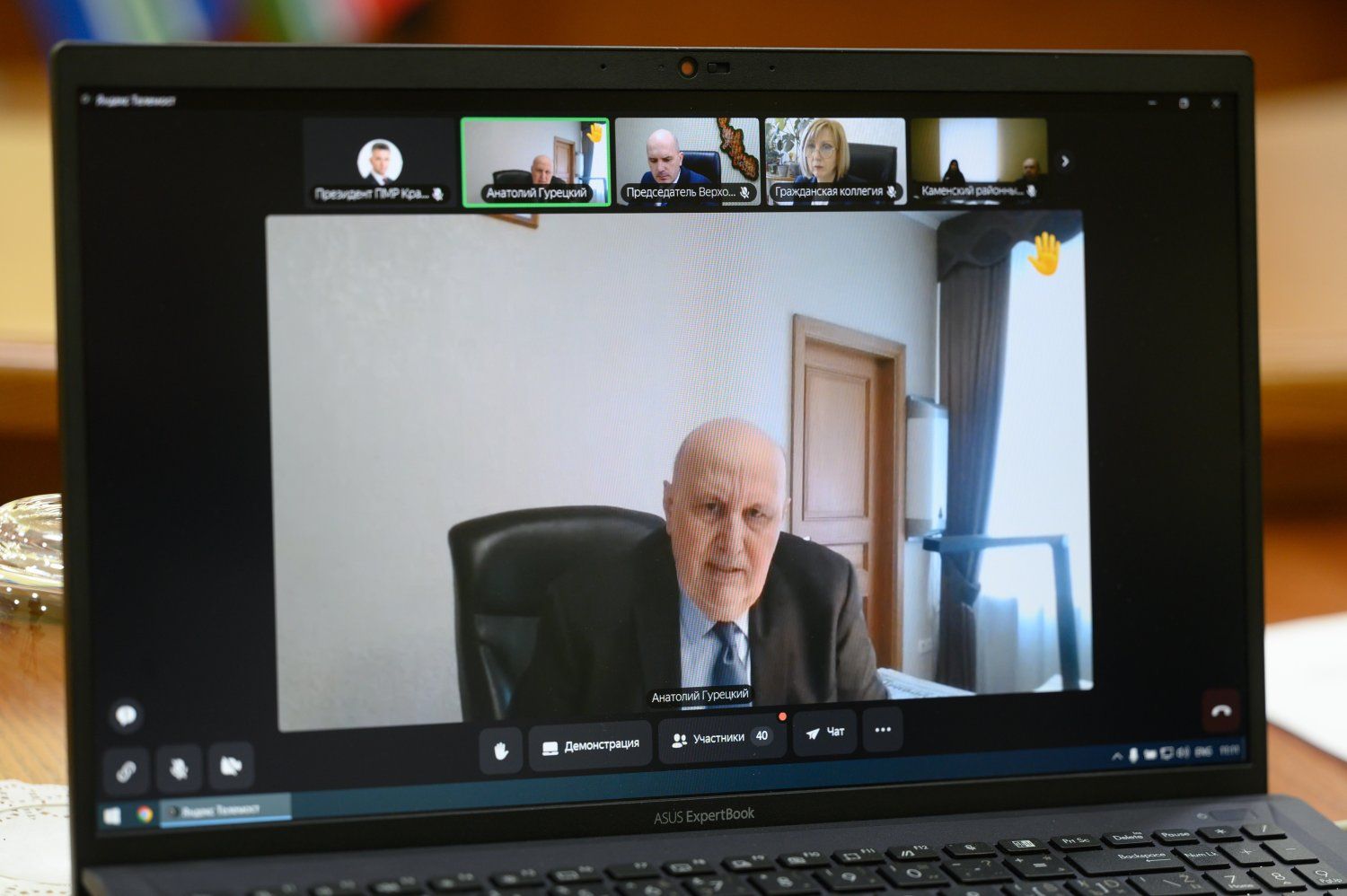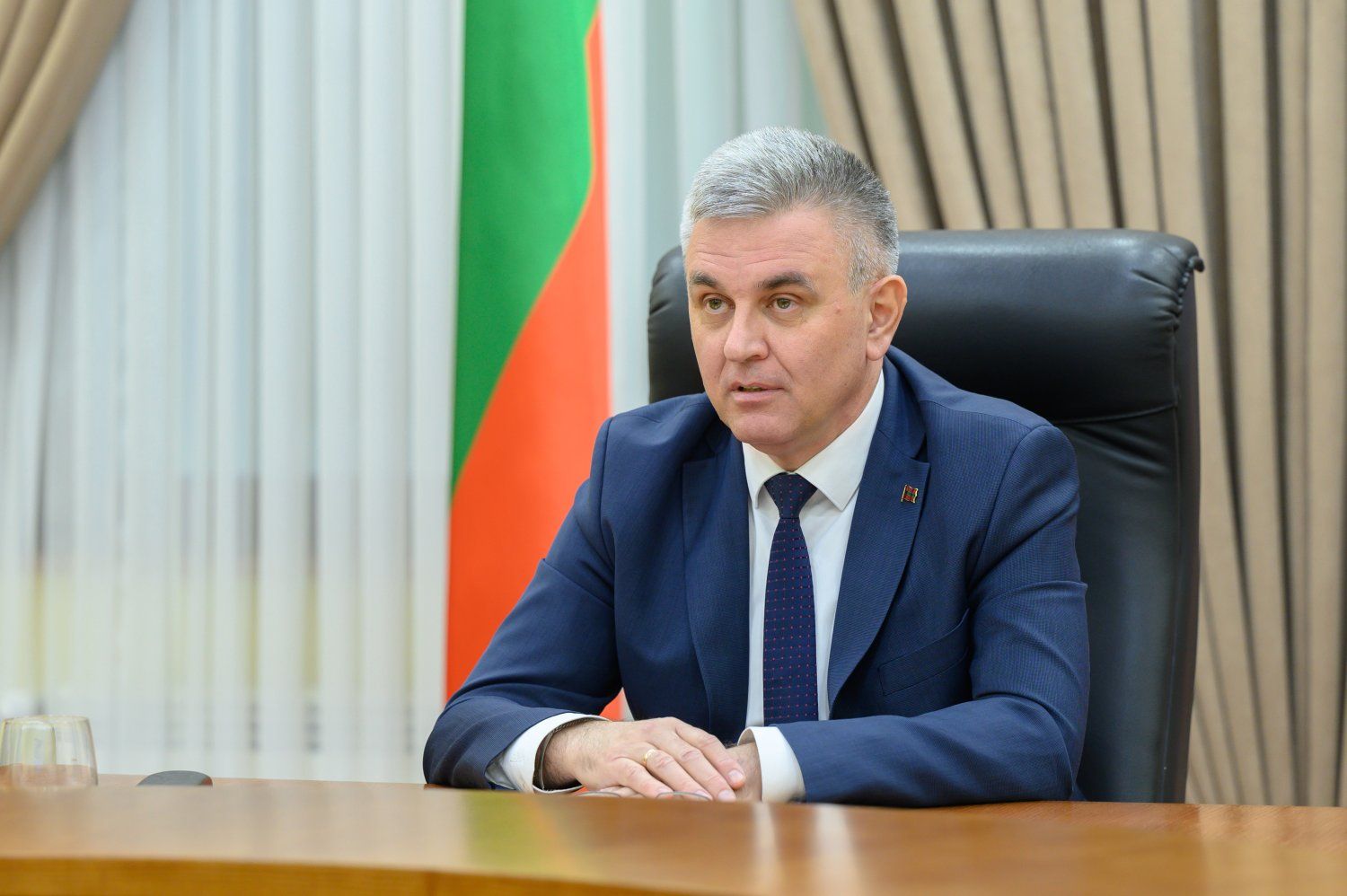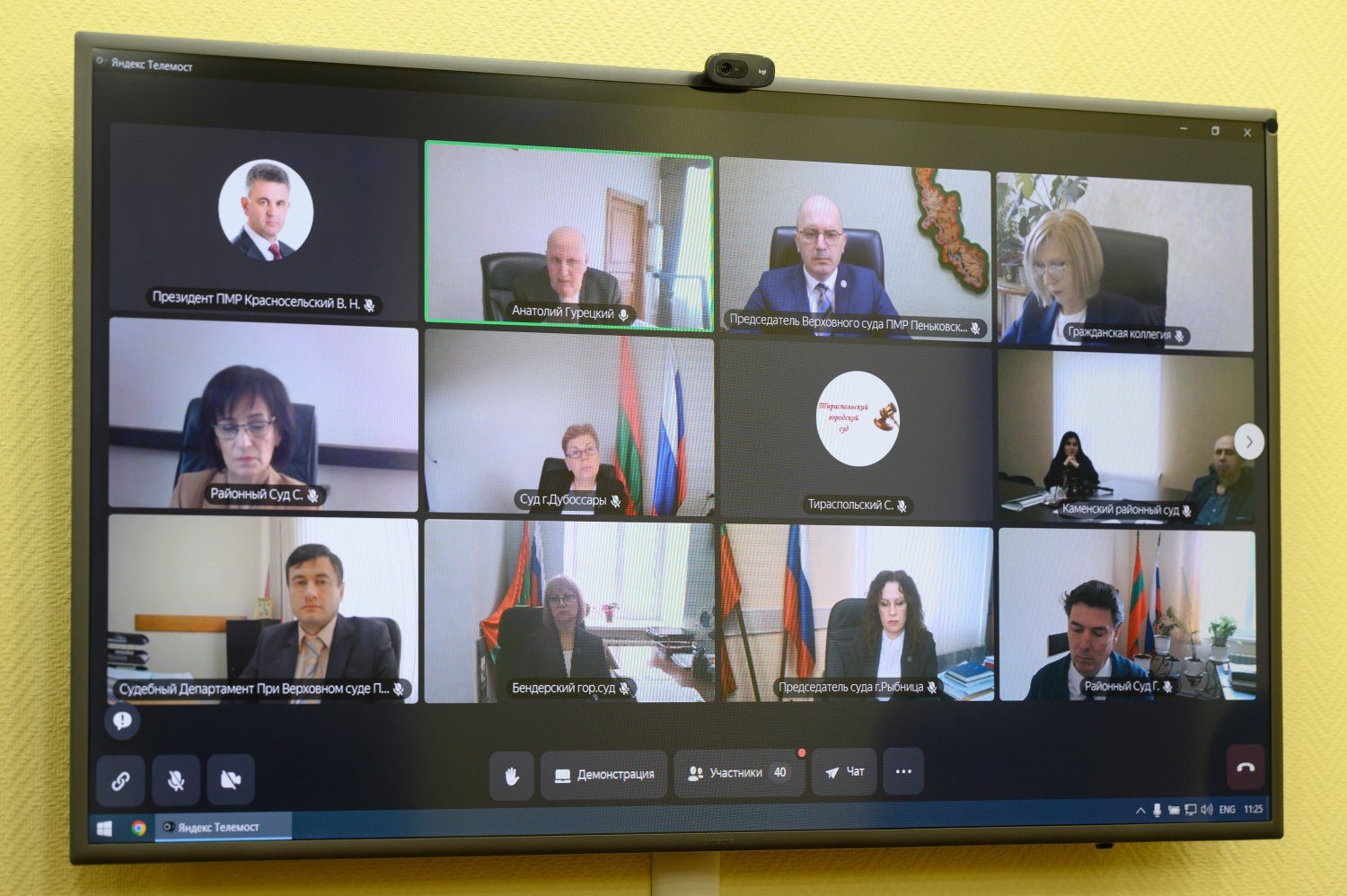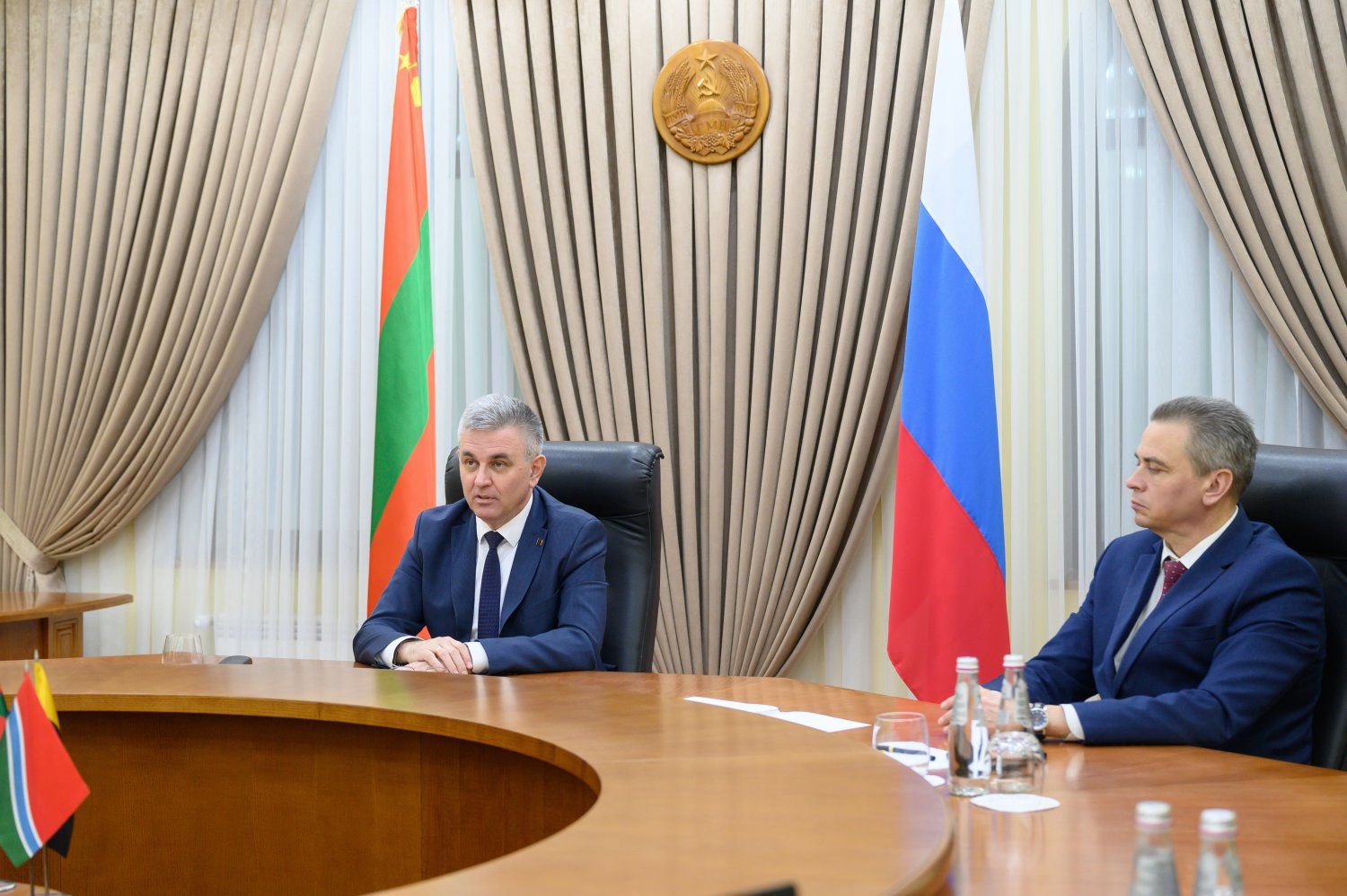
A meeting of the PMR Supreme Court Plenum was held. The results of the year of the courts of general jurisdiction were discussed. Participants included the PMR President Vadim Krasnoselsky. The speaker was Adrian Penkovsky, Chairman of the PMR Supreme Court.
32106 cases and materials were pending in city and district courts in 2025 (a 5.8% decrease from the previous year), according to information presented during the extended meeting. More than half were civil cases, 22% were administrative offenses, approximately 15% were judicial review and enforcement proceedings, and 6.7% were criminal cases. There were 16400 civil cases in terms of quantity. Two-thirds of these were heard using a simplified (order) procedure. Regarding their categories, the number of cases involving the collection of mandatory payments increased by 42%, while the number of cases involving the collection of housing and utility bills decreased by 11.5%. The rate of matrimonial and family disputes remains quite high at 13.5%. The amount of state fees collected by the courts amounted to 3.2 million rubles, said Adrian Penkovsky. Reasonable review timeframes are being met: up to four months in the overwhelming majority. However, a slight increase in cases with longer review periods has been noted, the speaker noted. Regarding the workload of judges, the average figure has decreased slightly (from 549 in 2024 to 510 in 2025), but the issue of uneven distribution remains relevant. Tiraspol had the highest workload, while the courts in Kamenka and Dubossary had the lowest in the reporting year. However, the imbalance has become less pronounced overall, noted Adrian Penkovsky. He also noted the increased cassation workload. The Chairman reported that 63 judges administered justice in city and district courts in 2025, and 25 judges served on the bench of the Supreme Court of the PMR. The staffing schedule has been reviewed, and positions have been redistributed based on actual needs. Judicial vacancies still remain in the courts with the heaviest workloads, the Chairman of the Supreme Court reported. High staff turnover among city (district) court employees is a problem.
The speaker focused on acquittals. City and district courts issued 17 such verdicts in 2025. Seven were overturned after cassation proceedings. There are also convictions in criminal cases overturned by the Judicial Collegium, three of these were overturned in the reporting year.
Informing about citizen outreach, the speaker reported that the Supreme Court received 192 appeals during the reporting period. Most often, these are disagreements with a final court decision or complaints against the actions of judges. It was noted that a significant portion of appeals to the Judicial Department are received electronically, so further development of appropriate communication channels is necessary. Preparations are currently underway to create the "Electronic Legal Proceedings of the Courts of General Jurisdiction of the PMR" information system. The "Judicial Work Recording Screen" program was implemented on January 1, 2026. Adrian Penkovsky spoke about legislative and educational work.
The PMR Prosecutor called the Plenum an opportunity to formulate a position and communicate it to the entire judicial community. Anatoly Guretsky discussed specific aspects of court operations and interagency cooperation. He announced among other things that a coordination meeting at the direction of the President will be held in the near future on the issuance of acquittals and the liability of investigators, inquiry officers, prosecutors, and judges.
The President spoke about acquittals. Vadim Krasnoselsky noted that this topic had also been raised at board meetings of agencies involved in investigations and decisions on the guilt or innocence of citizens. He emphasized that for him, as President, acquittals per se are not a problem, but a victory for democracy. Vadim Krasnoselsky reiterated the principle of paramount importance for inquiries, investigative bodies, the prosecutor's office, and the courts: acquitting a guilty person is not as scary as convicting an innocent one. The President emphasized that the materials for each acquittal must be thoroughly reviewed and discussed. The PMR President emphasized that it is important to conduct analytical work, identify errors, and draw conclusions jointly, so that each level can see where the shortcomings were and prevent similar occurrences in the future. Vadim Krasnoselsky emphasized that this is about the fate of individuals and about building public trust in the courts and the entire law enforcement system.
Overall, the President is satisfied with the work of the courts of general jurisdiction. The activities by the end of 2025 was recognized as satisfactory.