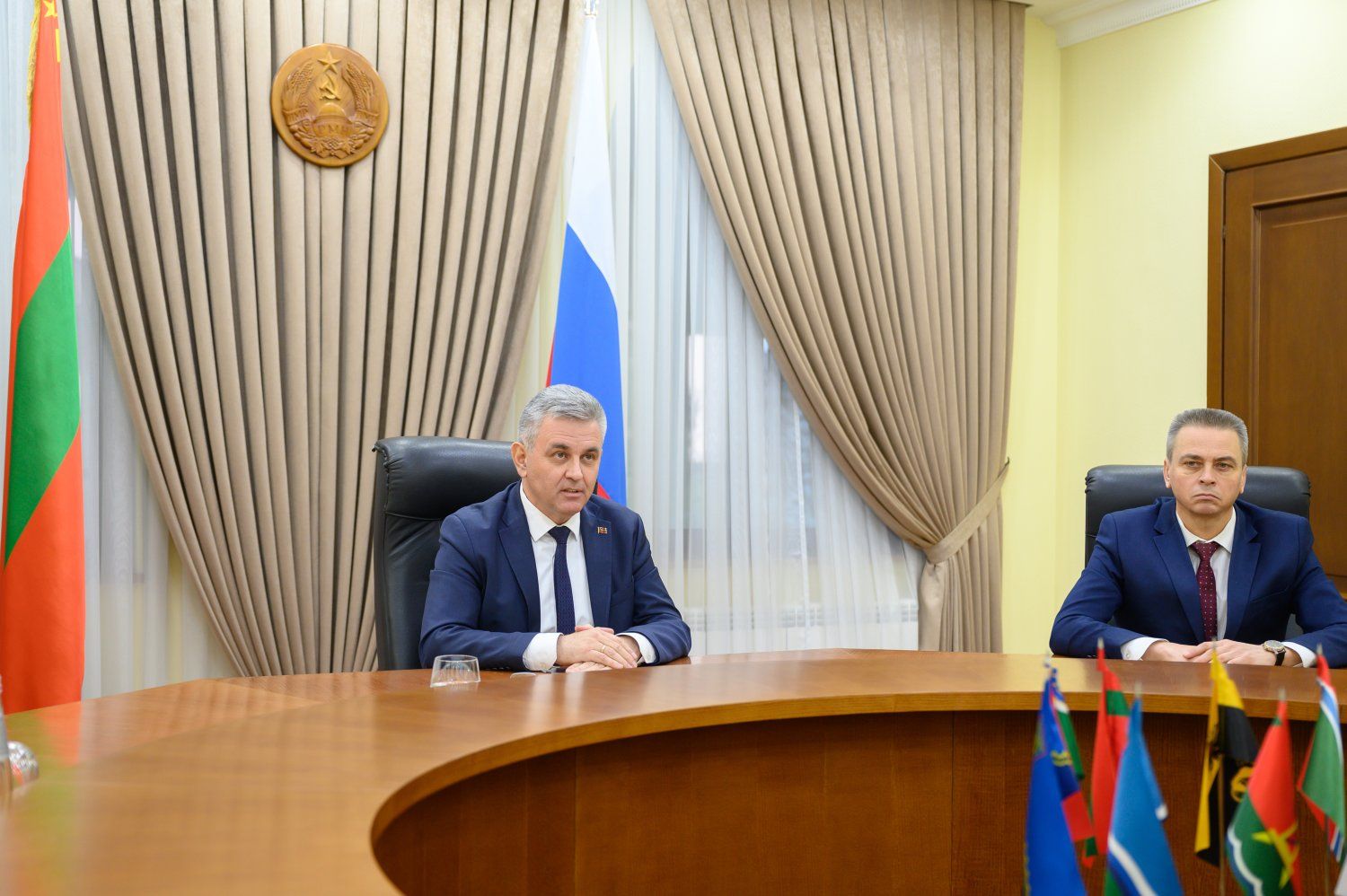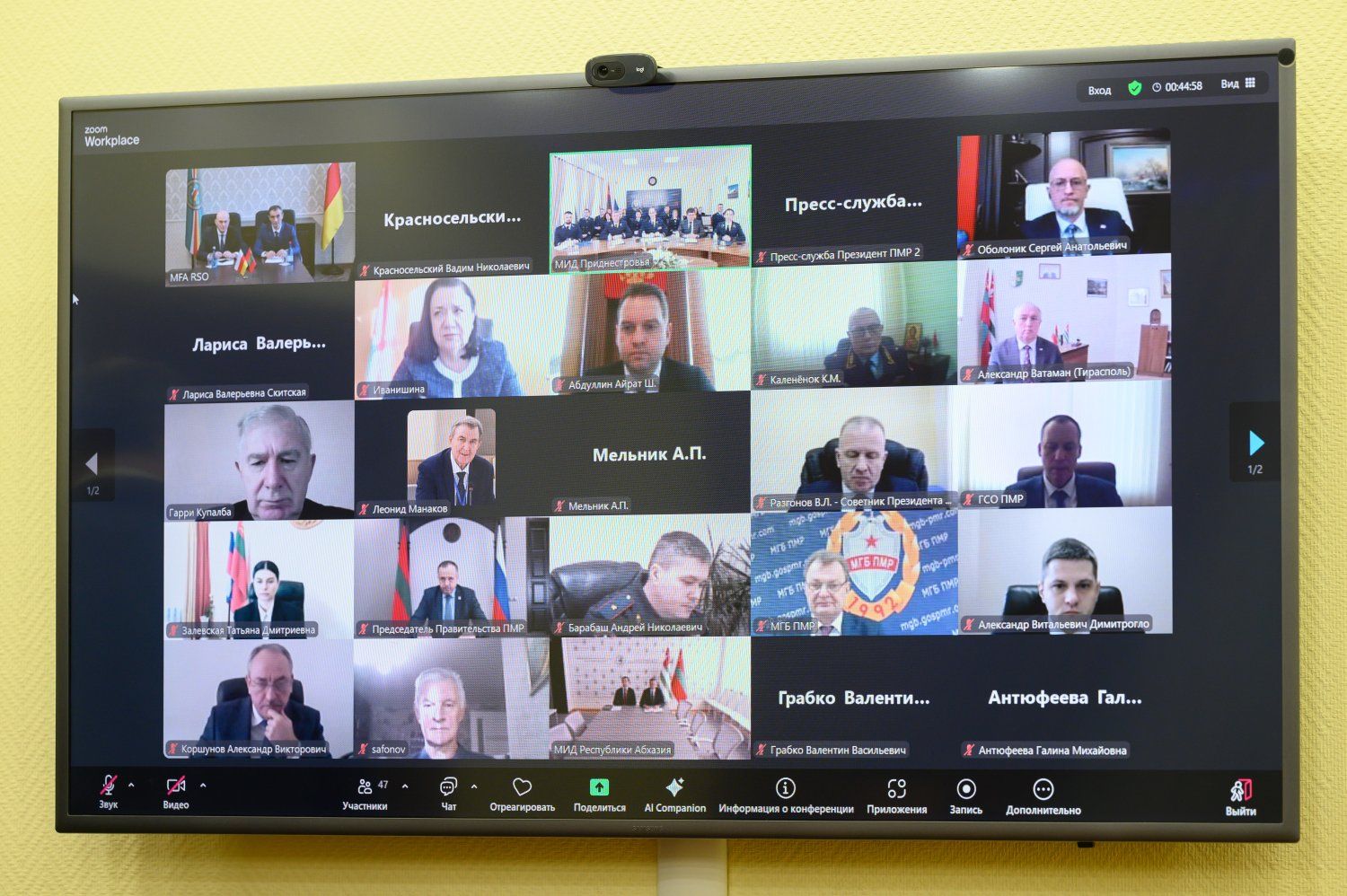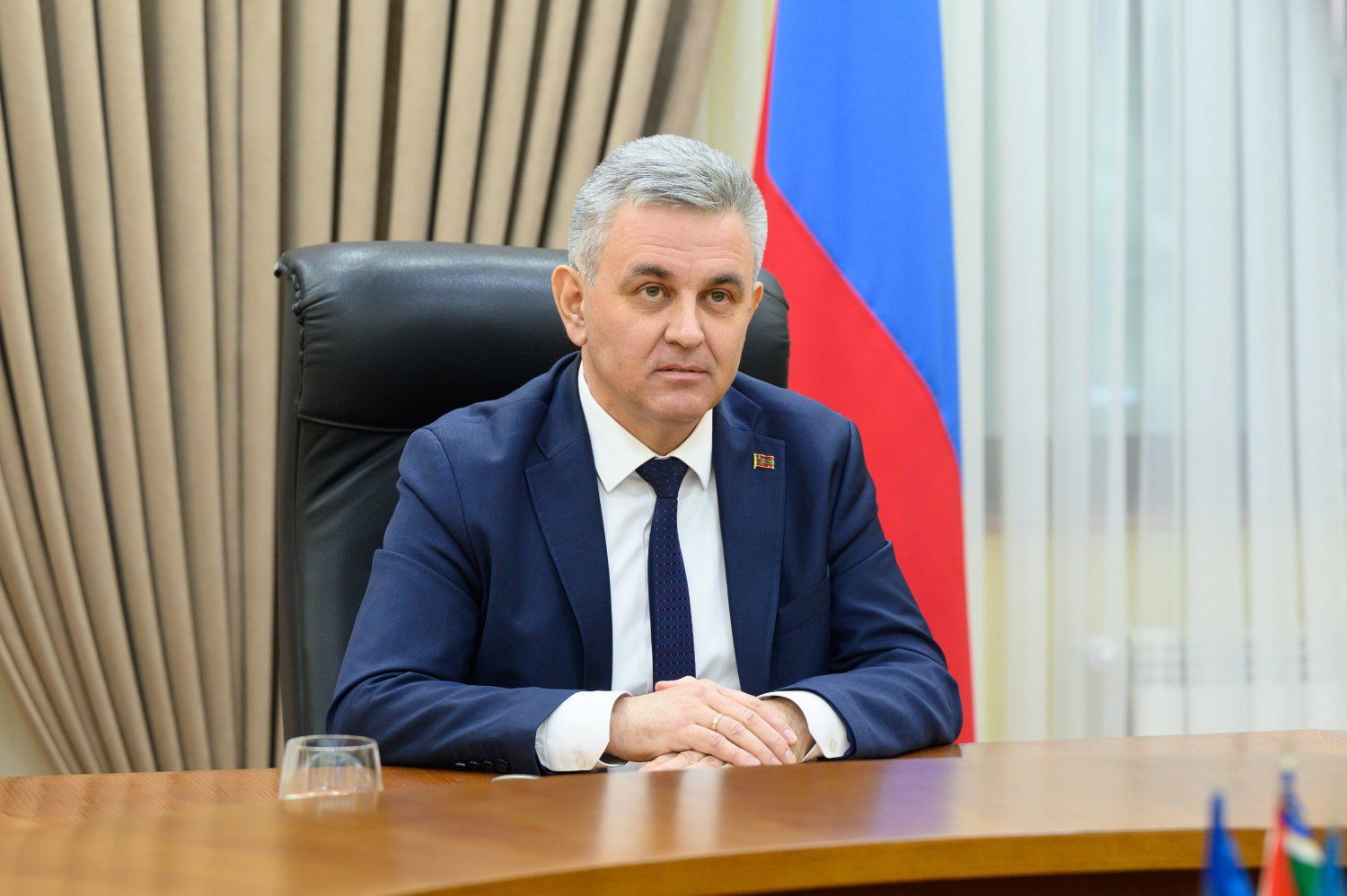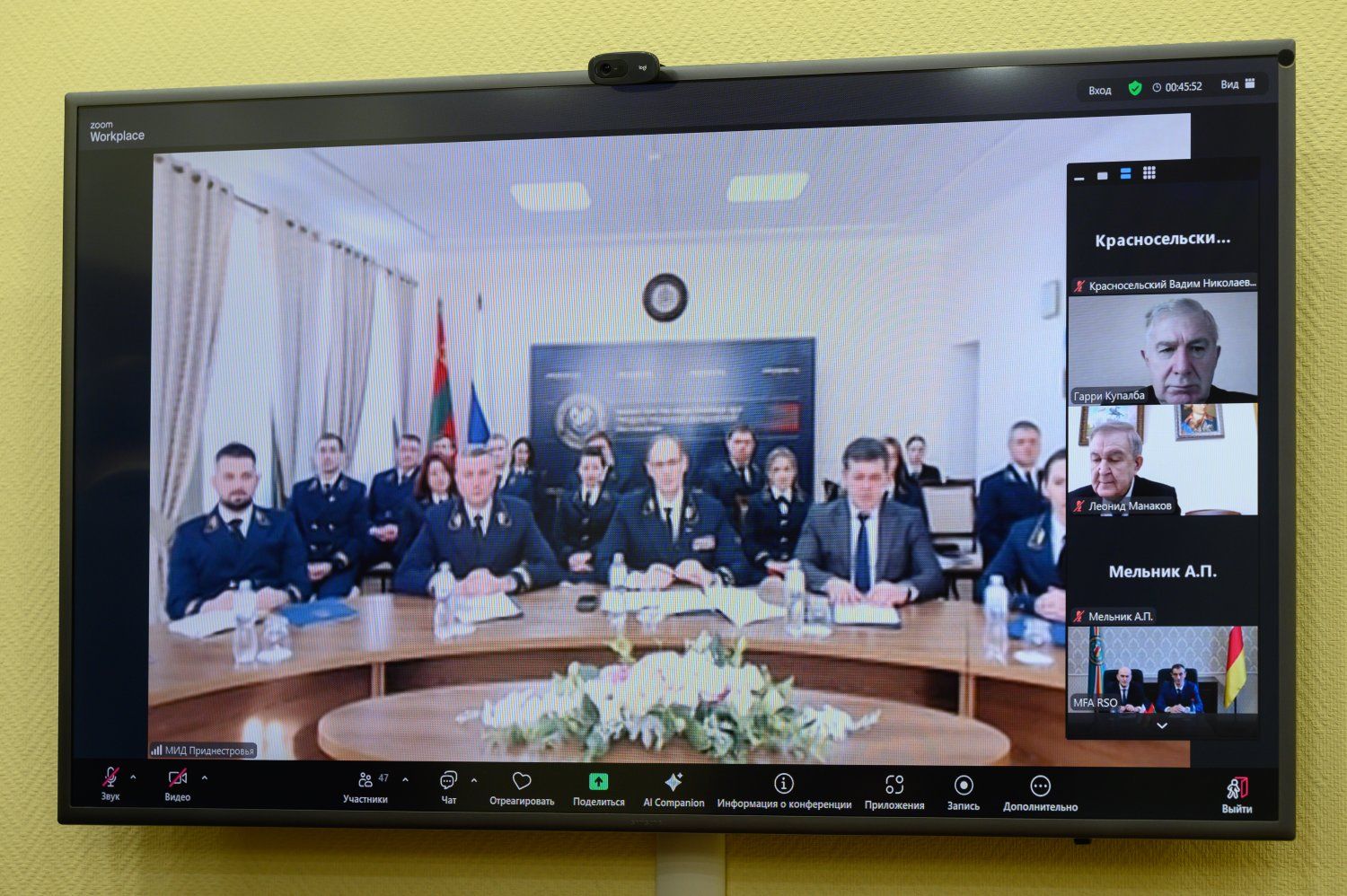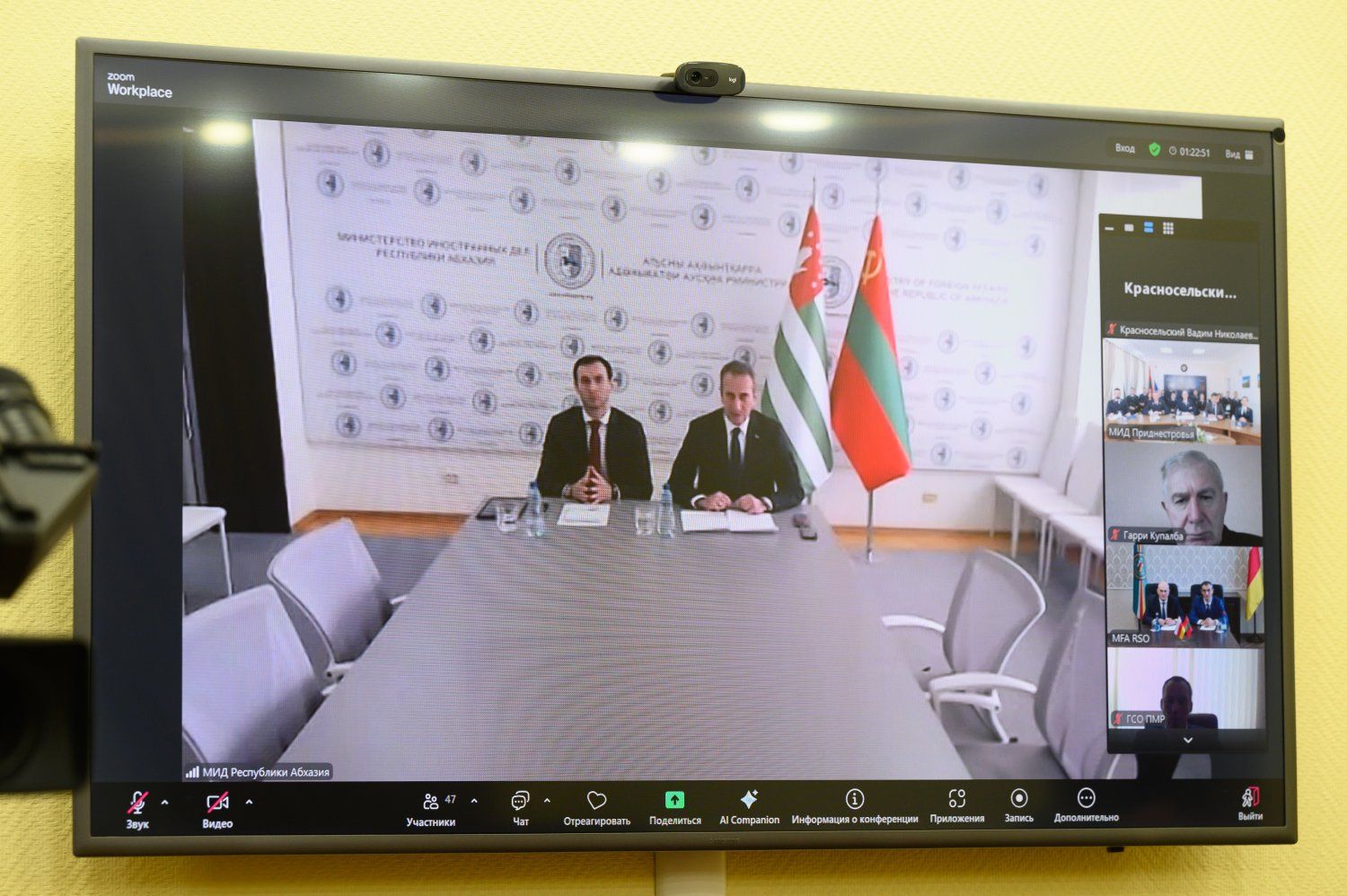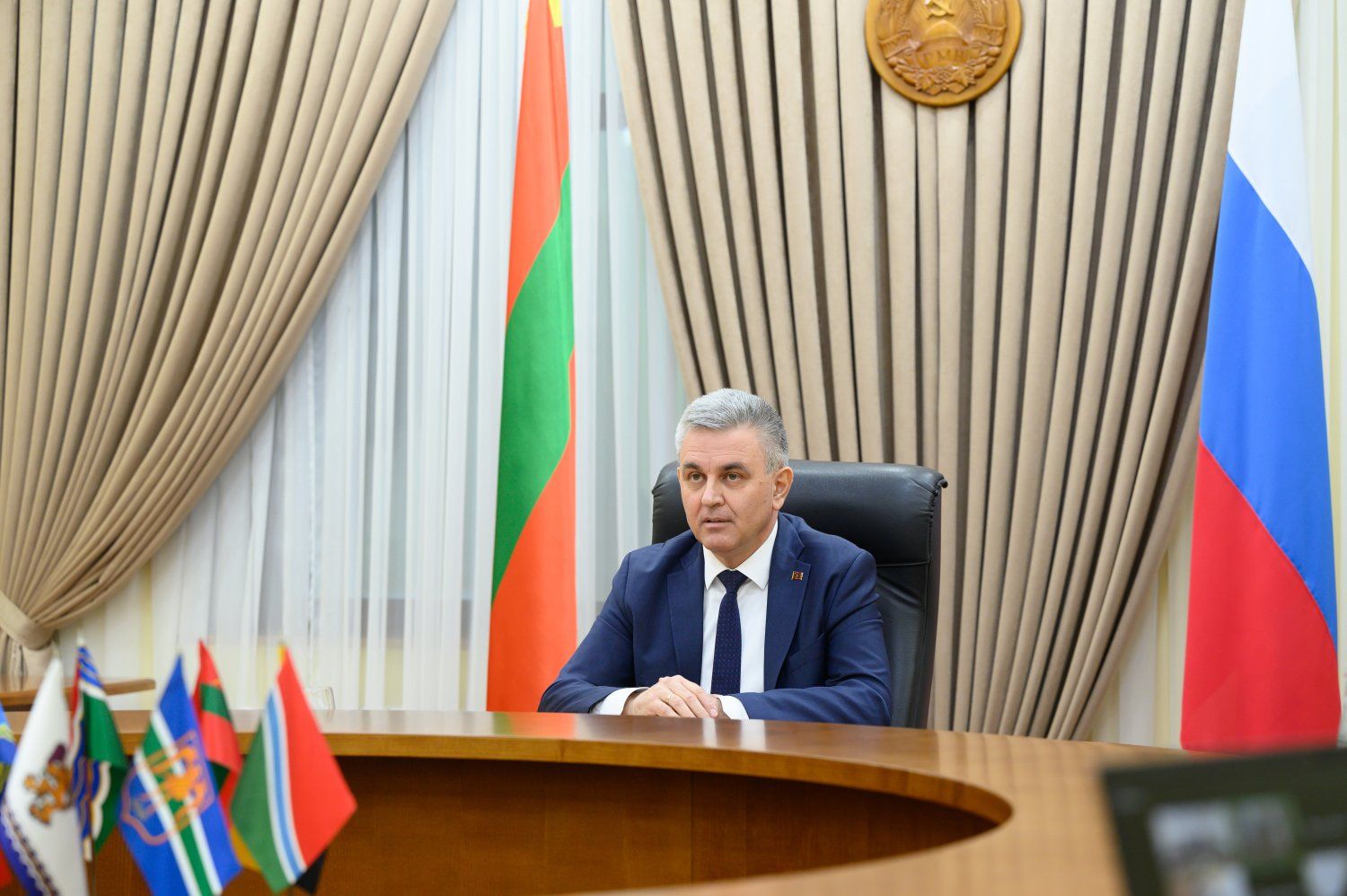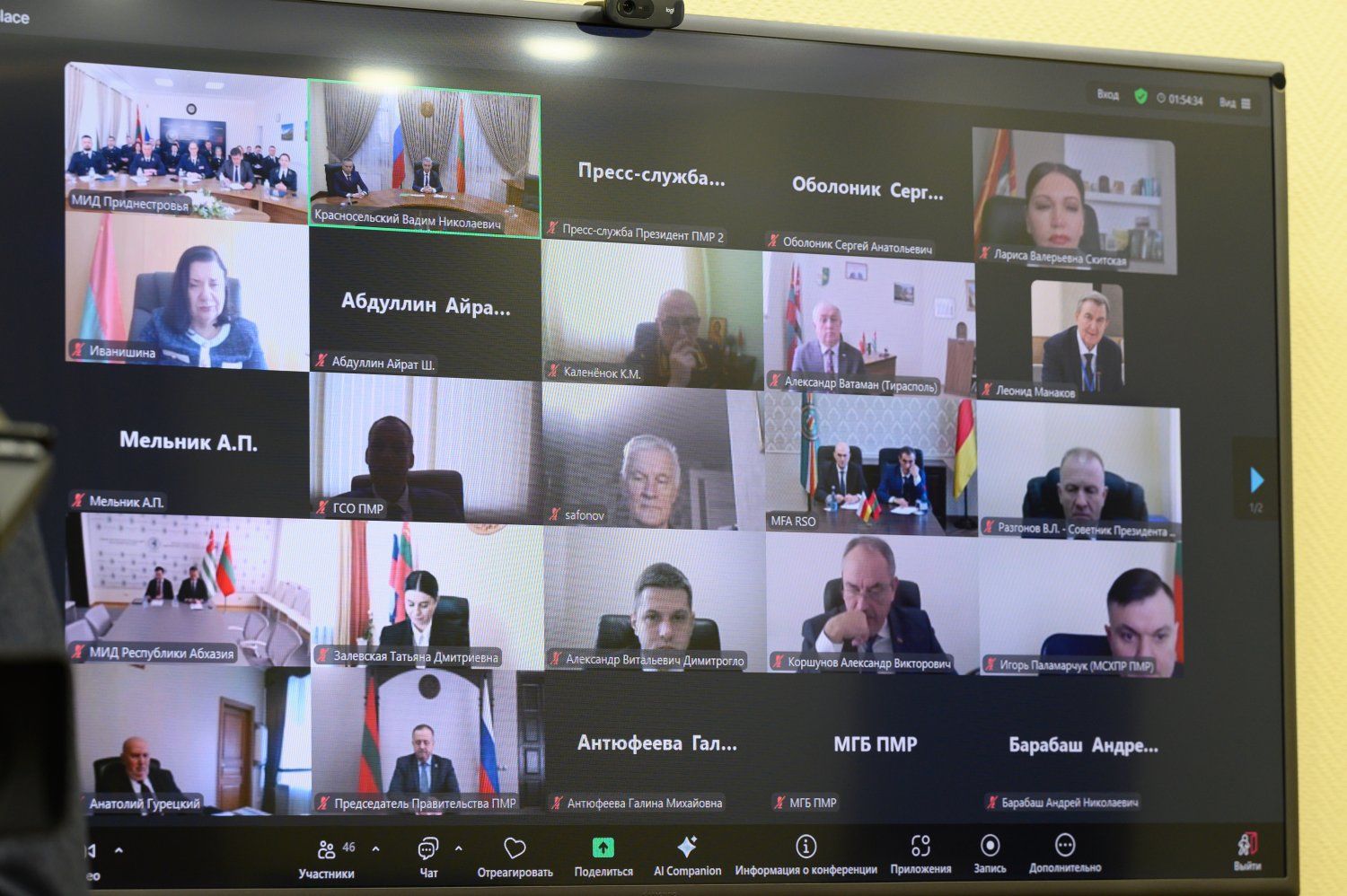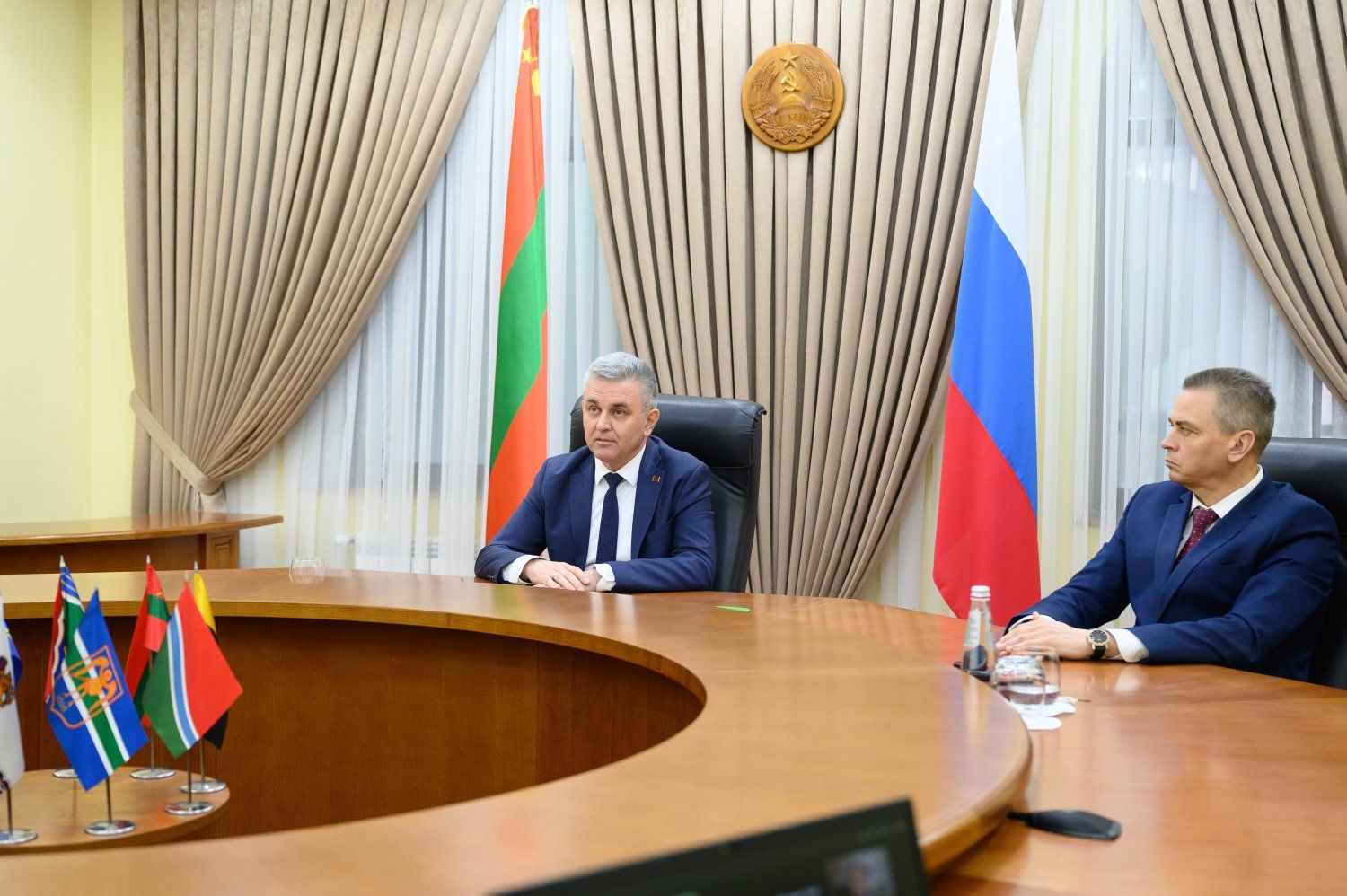
The PMR Ministry of Foreign Affairs Collegium was a reporting event, timed to coincide with a professional holiday – Diplomat's Day. Therefore, the meeting traditionally included not only ministry staff, the PMR President, heads of state authorities and administrative bodies of Pridnestrovie, but also representatives of foreign diplomacy. The meeting was organized via videoconference. The keynote speaker was the PMR Foreign Minister Vitaly Ignatiev. The Foreign Minister noted that the past year passed under conditions of global instability, artificial paralysis of the "5+2" format, pressure from Moldova, accompanied by massive violations of the rights of Pridnestrovians, and a refusal to engage in dialogue. The PMR Foreign Ministry staff, using the political and diplomatic tools available under the current circumstances, worked to strengthen mechanisms of foreign policy cooperation, expand humanitarian and economic ties, ensure equal dialogue, and peacefully resolve the conflict. Vitaly Ignatiev emphasized that Moldova continues to use hybrid instruments of influence against Pridnestrovie – trade, economic, financial, and banking blockades, energy blackmail, and transport restrictions. The neighboring state leadership is demonstrating a policy of double standards at the same time: the President of Moldova has avoided direct negotiations with the President of Pridnestrovie within the framework of legitimate mechanisms for the past six years, while at the same time, actively engaging with the unrecognized Kosovo region, for example. This artificial blocking of the negotiation process has entered its seventh year. The new Moldovan government has maintained this course. Moldova's political representative rejected both a meeting initiated by the Pridnestrovian side in December and an offer received in January of this year from Acting Head of the OSCE Mission, Izabela Hartmann. Vitaly Ignatiev reported that another invitation was extended last Friday, but a response has not yet been received. The minister mentioned the consequences of Moldova's refusal to cooperate in law enforcement, environmental and energy issues, the so-called "separatism law", detentions and attempted recruitment of Pridnestrovians at the Chisinau airport, and the obstruction of participation of Pridnestrovian residents in electoral processes of Moldova.
The speaker addressed cooperation with the Russian Federation, noting its historic and strategic importance. Vitaly Ignatiev discussed peacekeeping, humanitarian support, including in overcoming the energy crisis, and cooperation in cultural and educational spheres. The minister mentioned that Pridnestrovian youth attended the Kremlin Christmas tree for the first time last year, and that approximately 2000 Pridnestrovians participated in the "Victory Dictation" event (more than 50 sites were created across the republic).
Speaking about international contacts, Vitaly Ignatiev reported that more than 65 meetings and events involving representatives of international organizations and foreign countries took place during the reporting period. The republic's leadership held talks with representatives of Russia, the OSCE, the United States, Great Britain, Germany, France, Turkey, Switzerland, the Netherlands, the Baltic states, and European Union institutions. The PMR President Vadim Krasnoselsky held more than 40 official meetings in 2025.
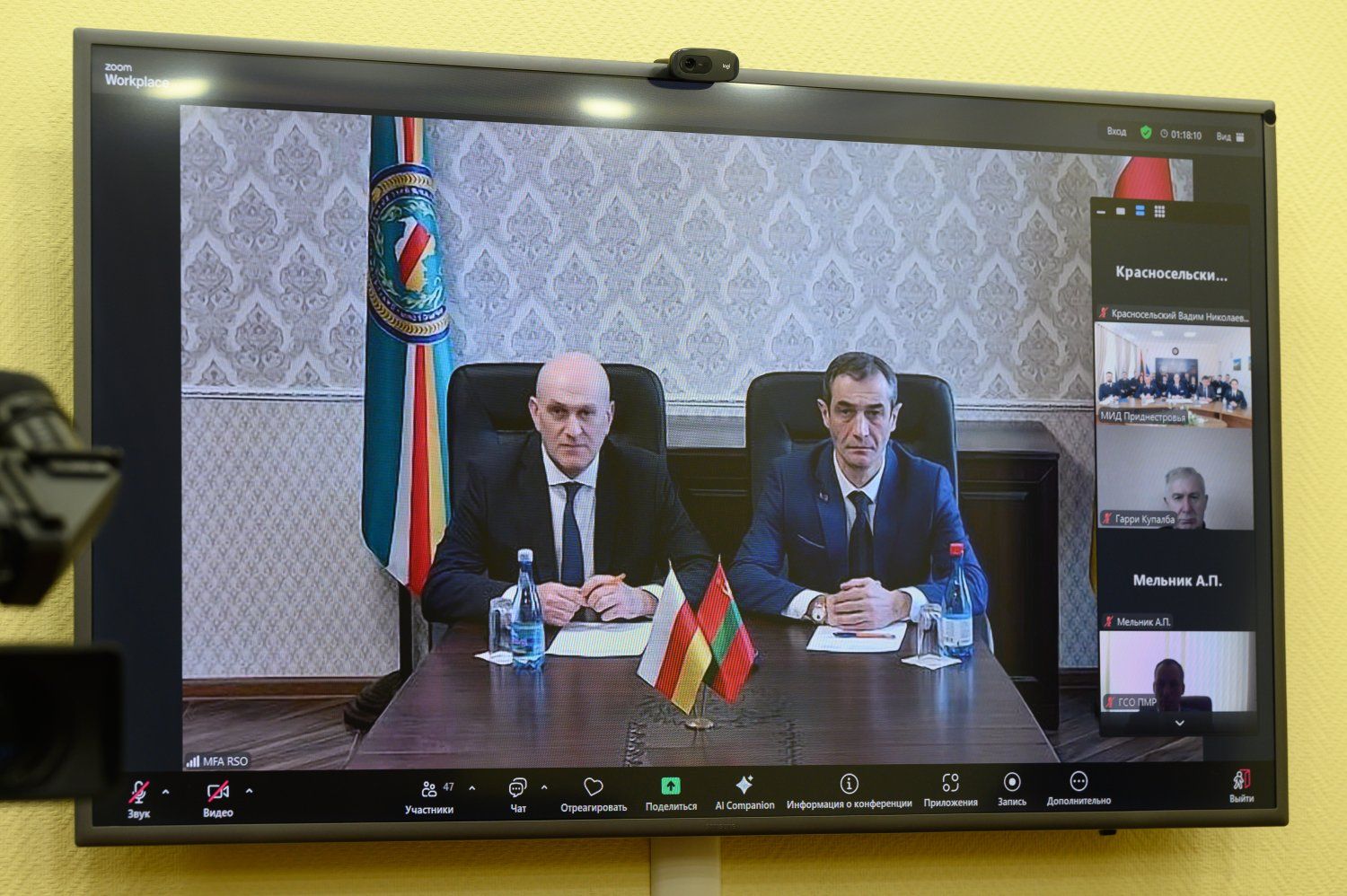
The heads of the ministries of foreign affairs of friendly to Pridnestrovie states – Abkhazia and South Ossetia – addressed the Collegium participants. Akhsar Dzhioev (Ministry of Foreign Affairs of the Republic of South Ossetia) congratulated his colleagues on their professional holiday. He spoke about the complex foreign policy situation and the priority of strengthening and developing relations between Pridnestrovie and South Ossetia. Foreign Minister of Abkhazia Oleg Bartsits emphasized that contacts between the two republics, despite existing difficulties, are intensive, systematic, and stable. He focused on the legal basis for cooperation between Pridnestrovie and Abkhazia, recalling the founding documents. The head of the Abkhaz Foreign Ministry emphasized that dozens of inter-municipal and interdepartmental agreements are in effect in addition to state-level agreements. Some were signed as early as 2026. Plans for further cooperation were discussed.
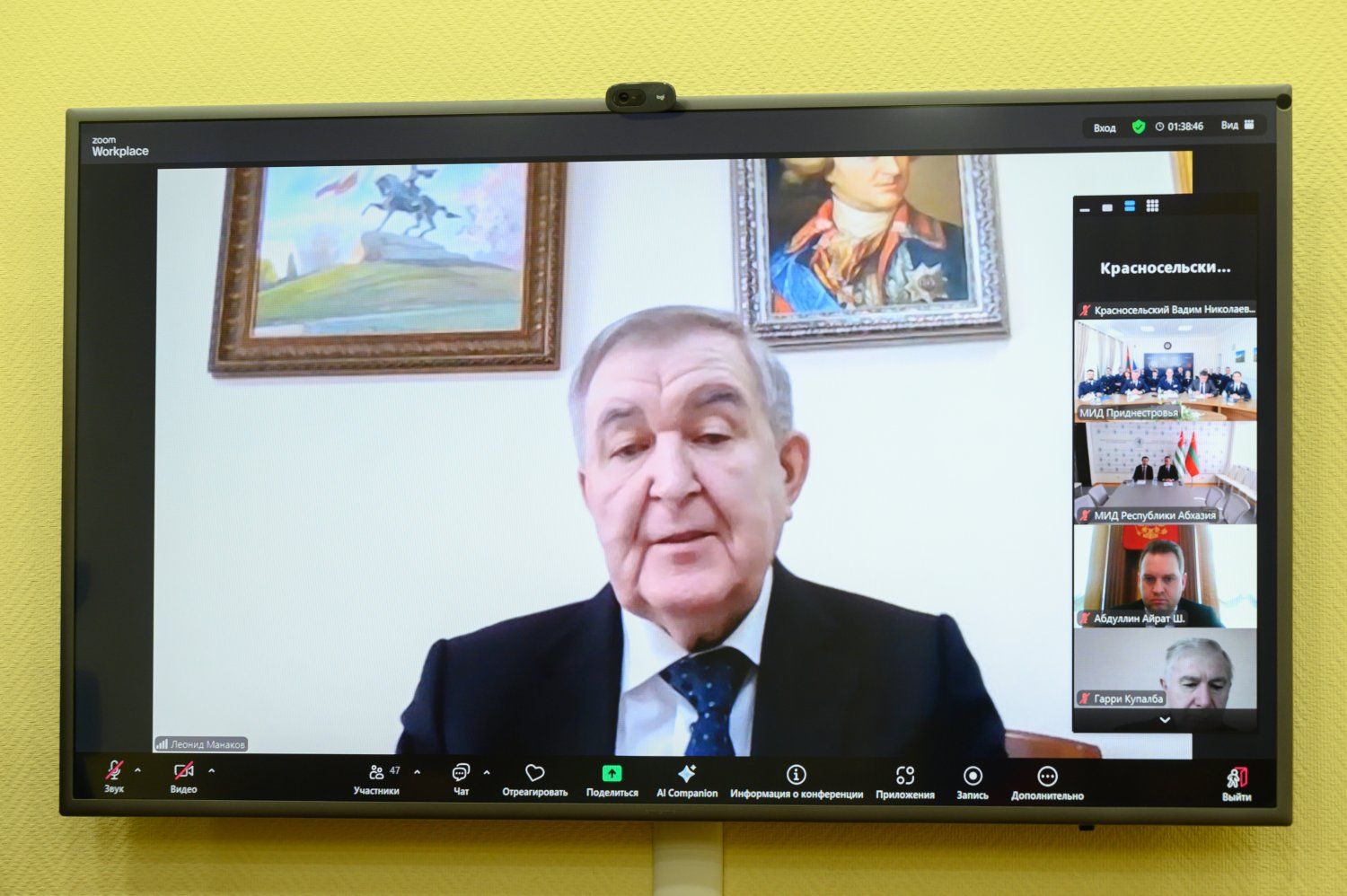
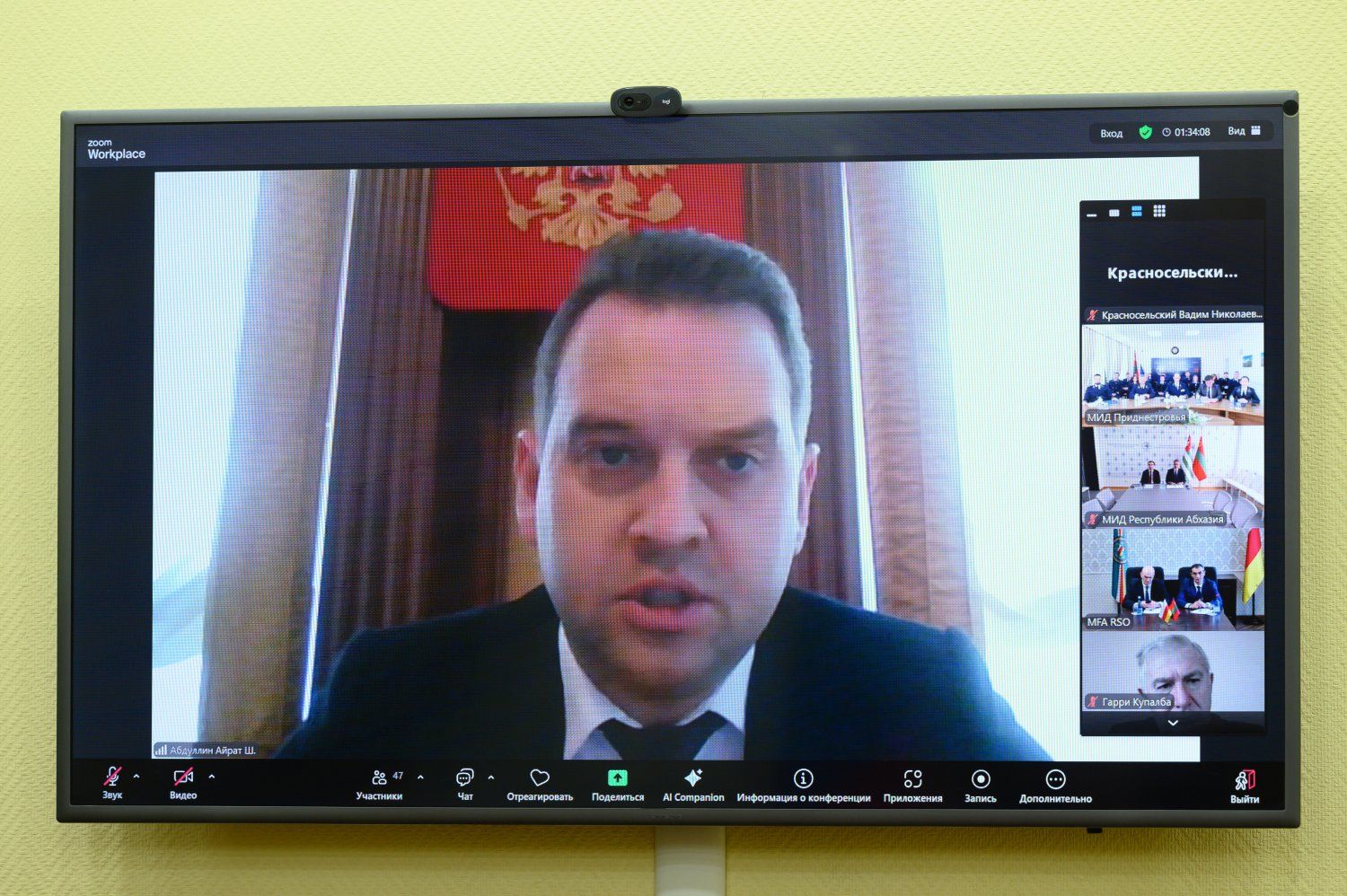
Russian Joint Control Commission Co-Chair Airat Abdullin read a welcoming address from Russian Ambassador Oleg Ozerov, which touched on a shared diplomatic holiday, historical roots, and the continuity of traditions in promoting national interests and preserving peace. Humanitarian cooperation was mentioned among other areas of future Pridnestrovian-Russian cooperation. Oleg Ozerov assured that Russia will continue to facilitate natural gas supplies to Pridnestrovie. Leonid Manakov, Head of the Official Representation of Pridnestrovie in Russia, reported on the activities of the structure subordinate to the PMR Ministry of Foreign Affairs, noting that more than 42000 citizen requests have been received over the past seven years. The diplomat announced that he plans to deliver his 21st international address in March.
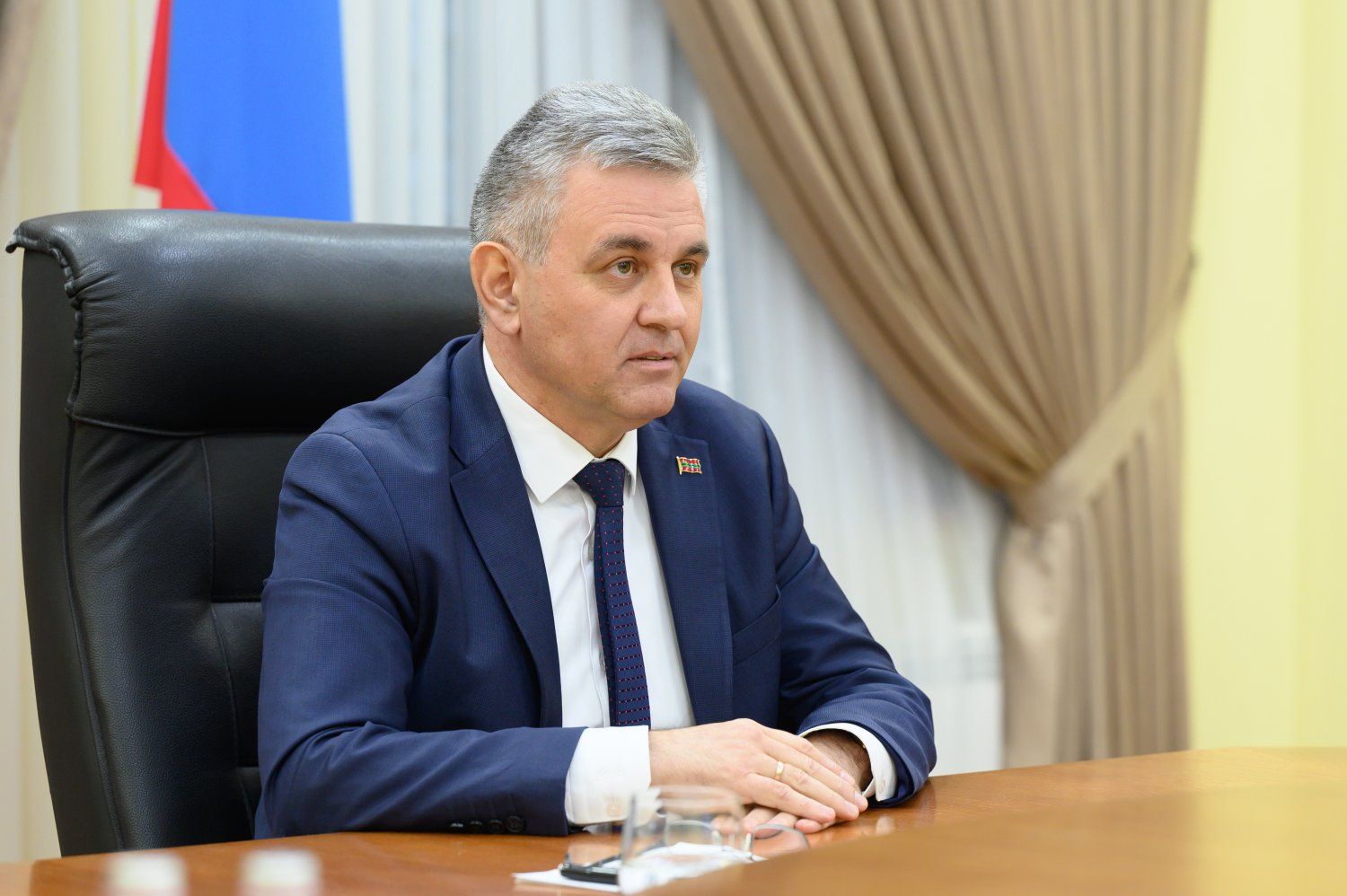
The PMR President Vadim Krasnoselsky addressed the diplomats with congratulations, gratitude for their service, and parting words. He urged them to prioritize the interests of the state and the people. He highlighted among the tasks the adoption of measures to resume a full-fledged negotiation process, filling the agenda with realistic issues, and facilitating the successful conduct of the peacekeeping operation. Vadim Krasnoselsky emphasized that the strategic goals of Pridnestrovian diplomacy and the entire Pridnestrovian people are peace and independence.