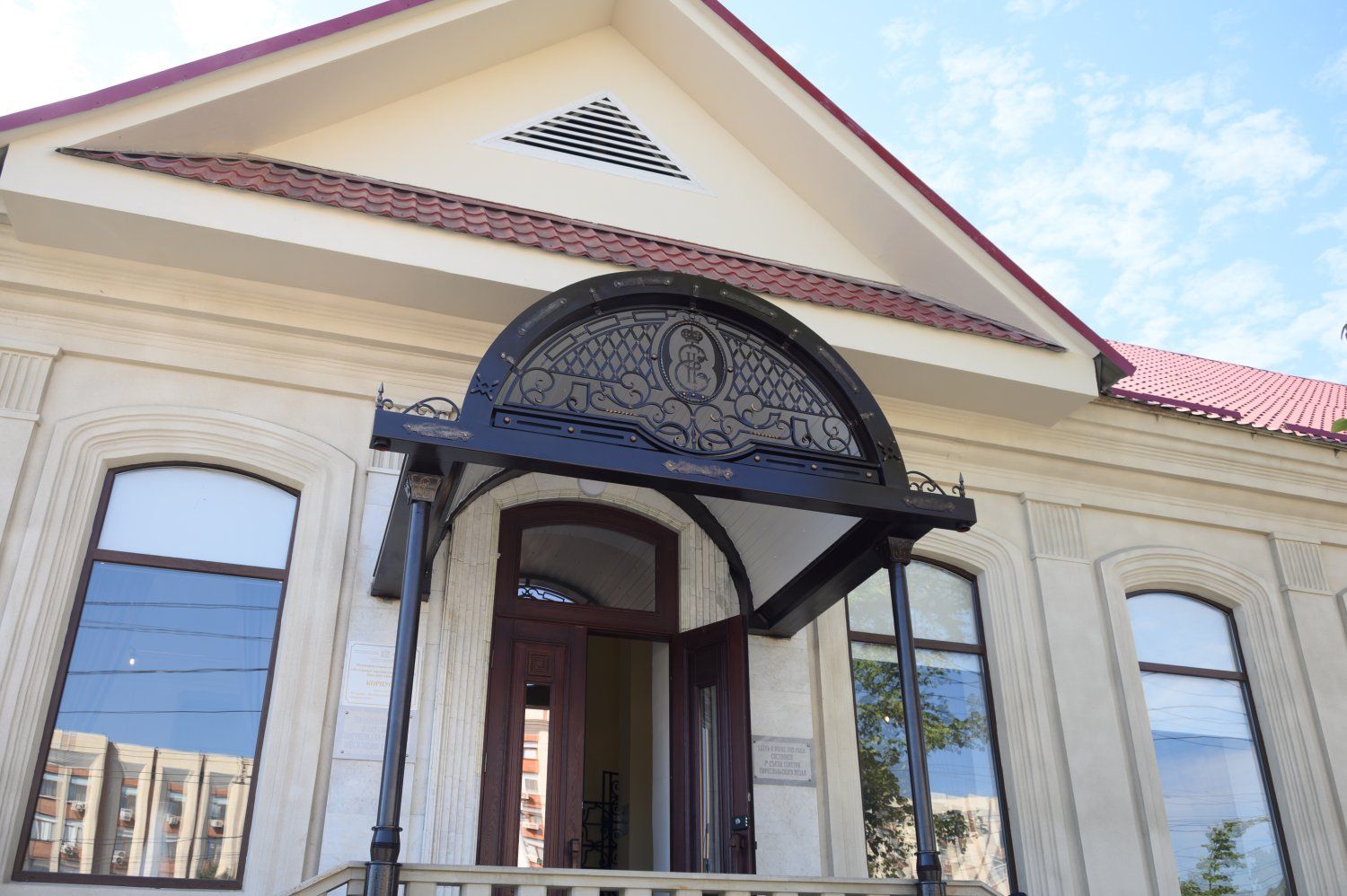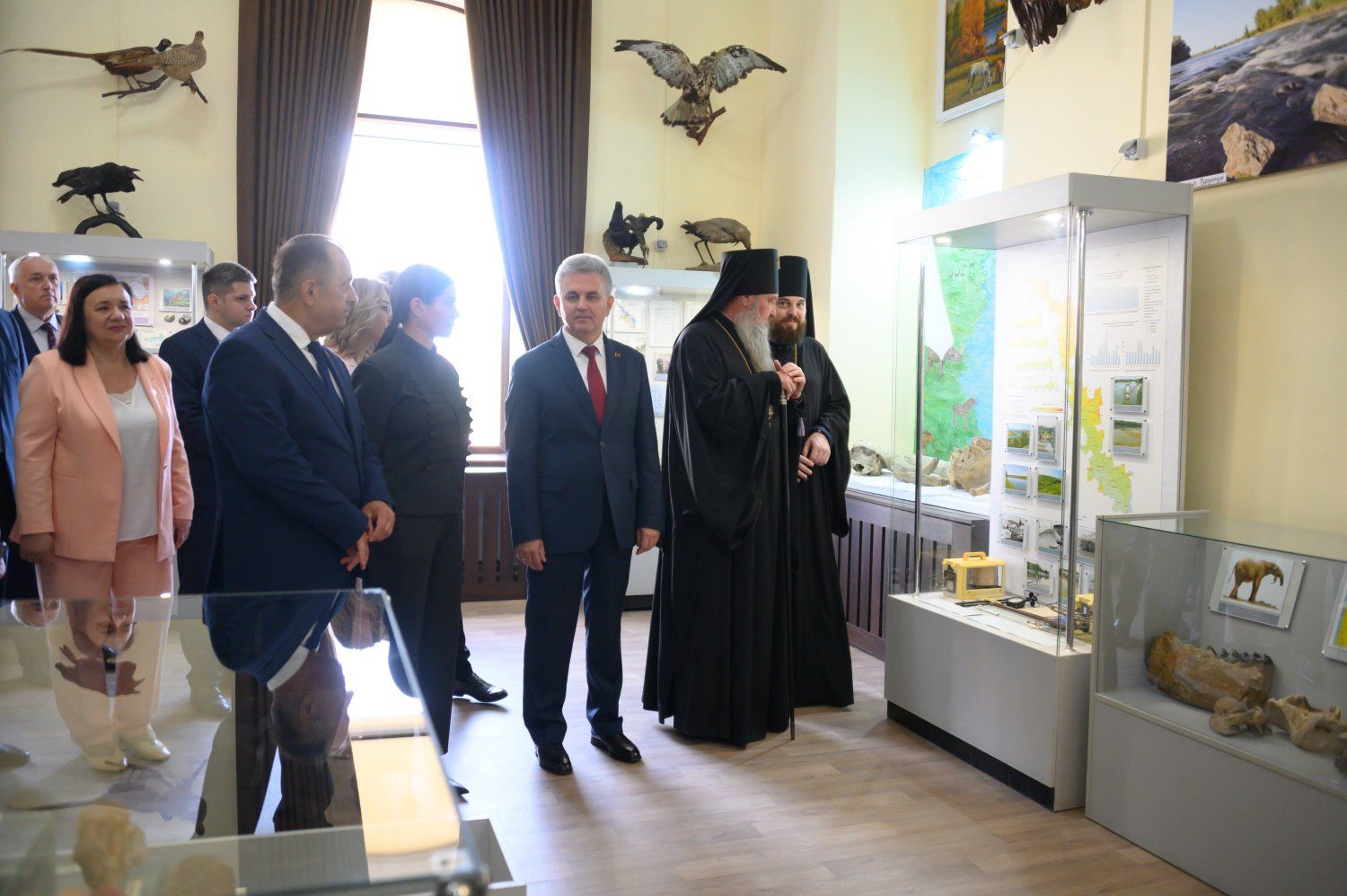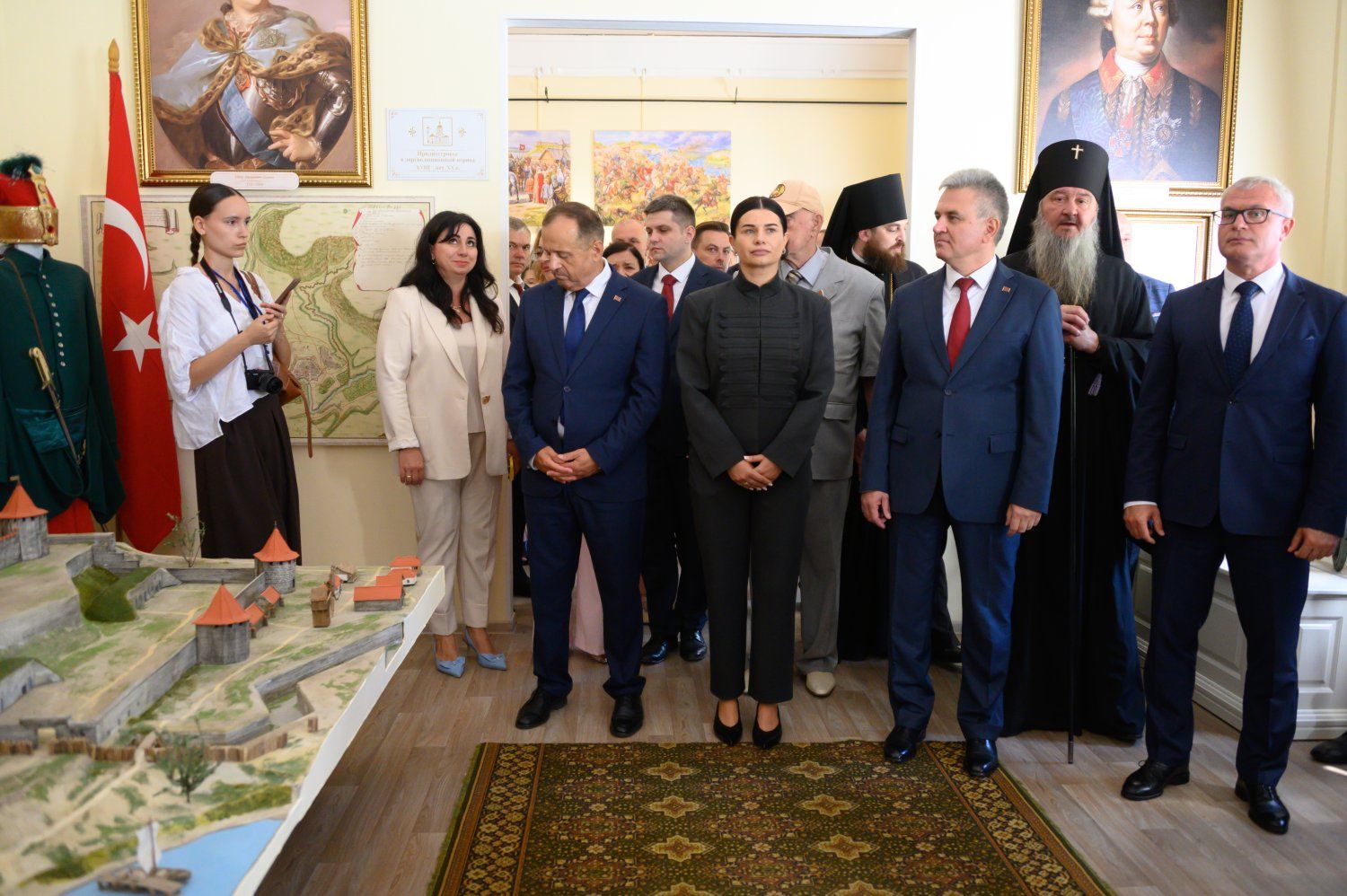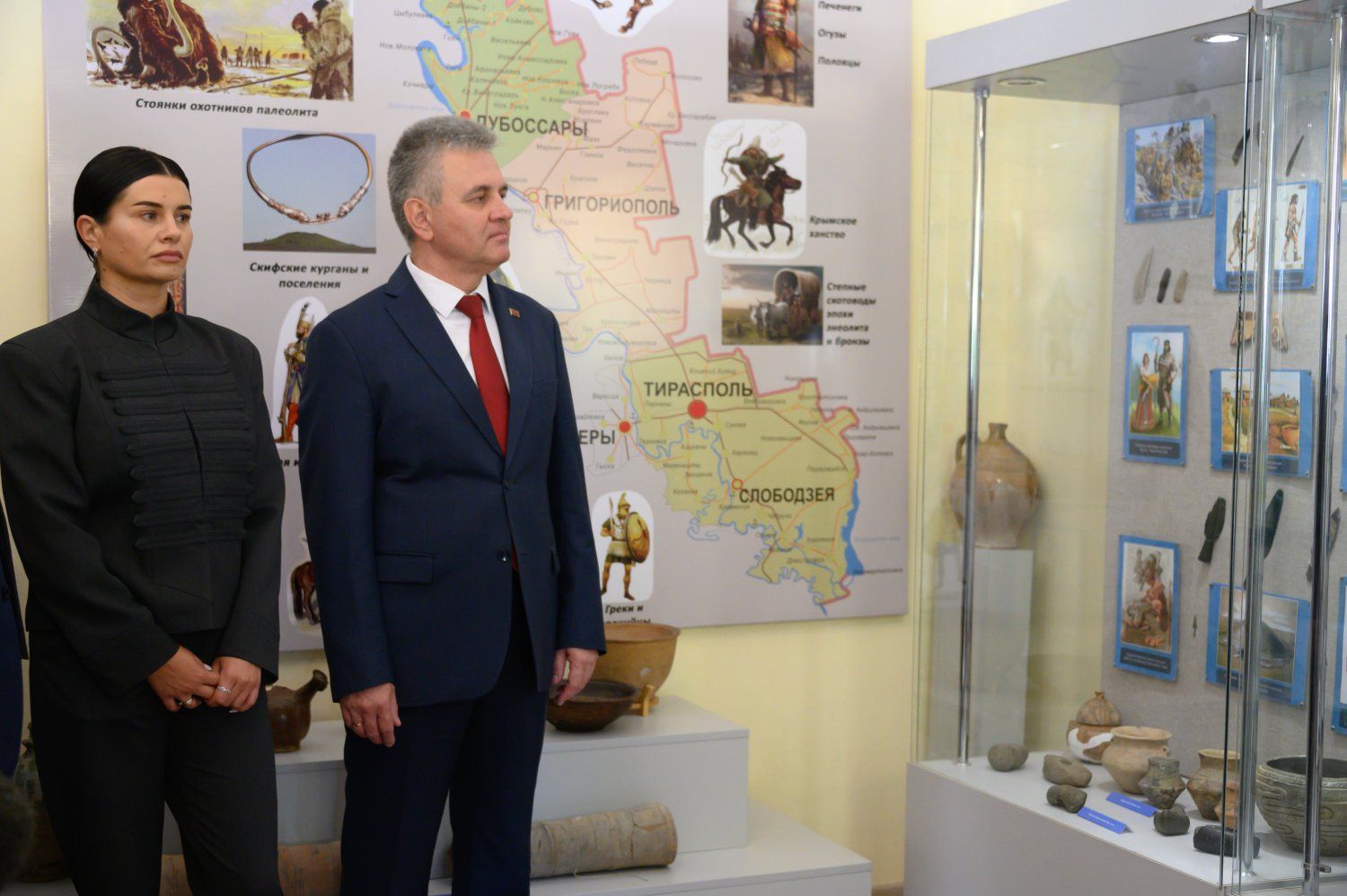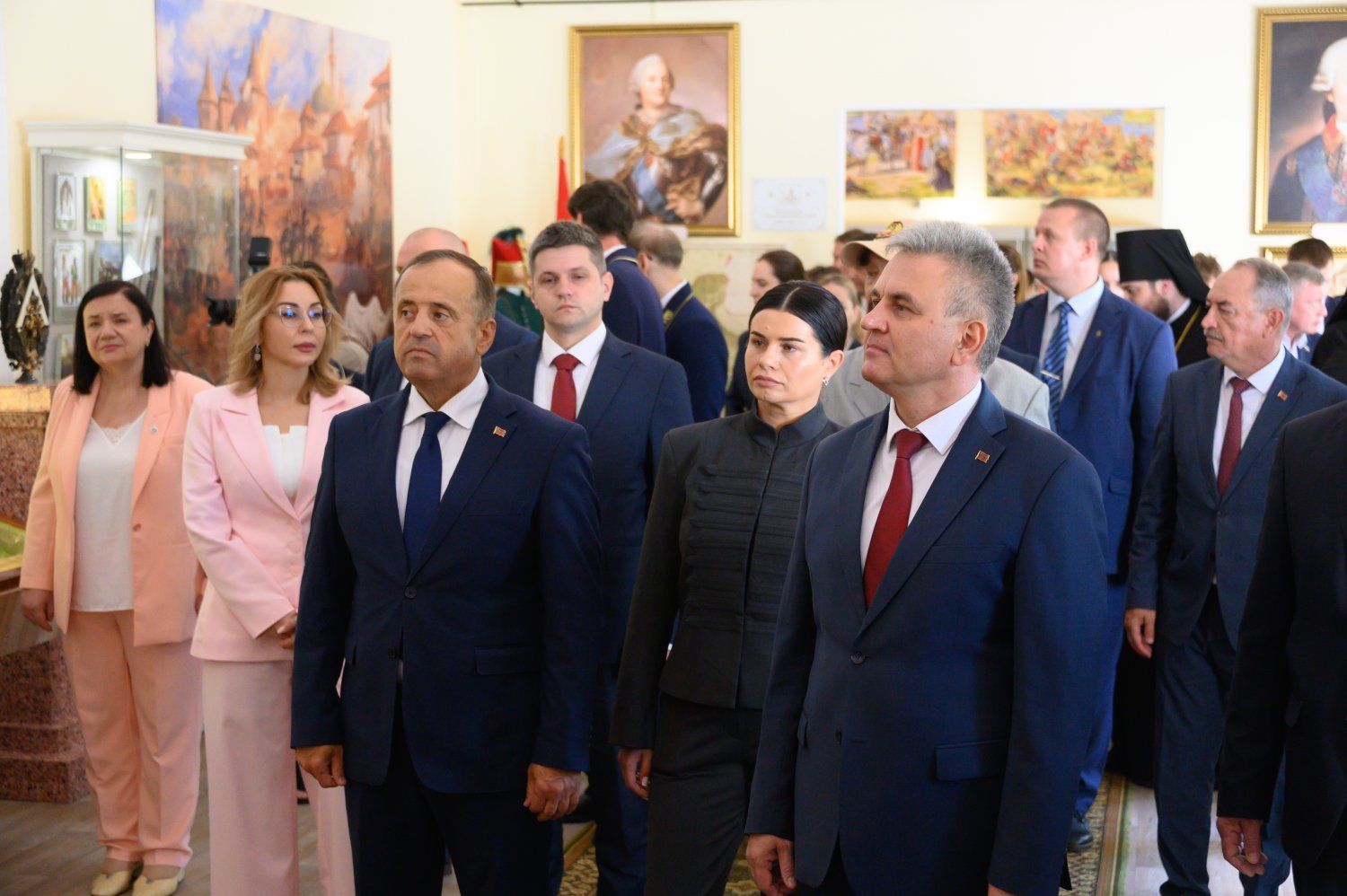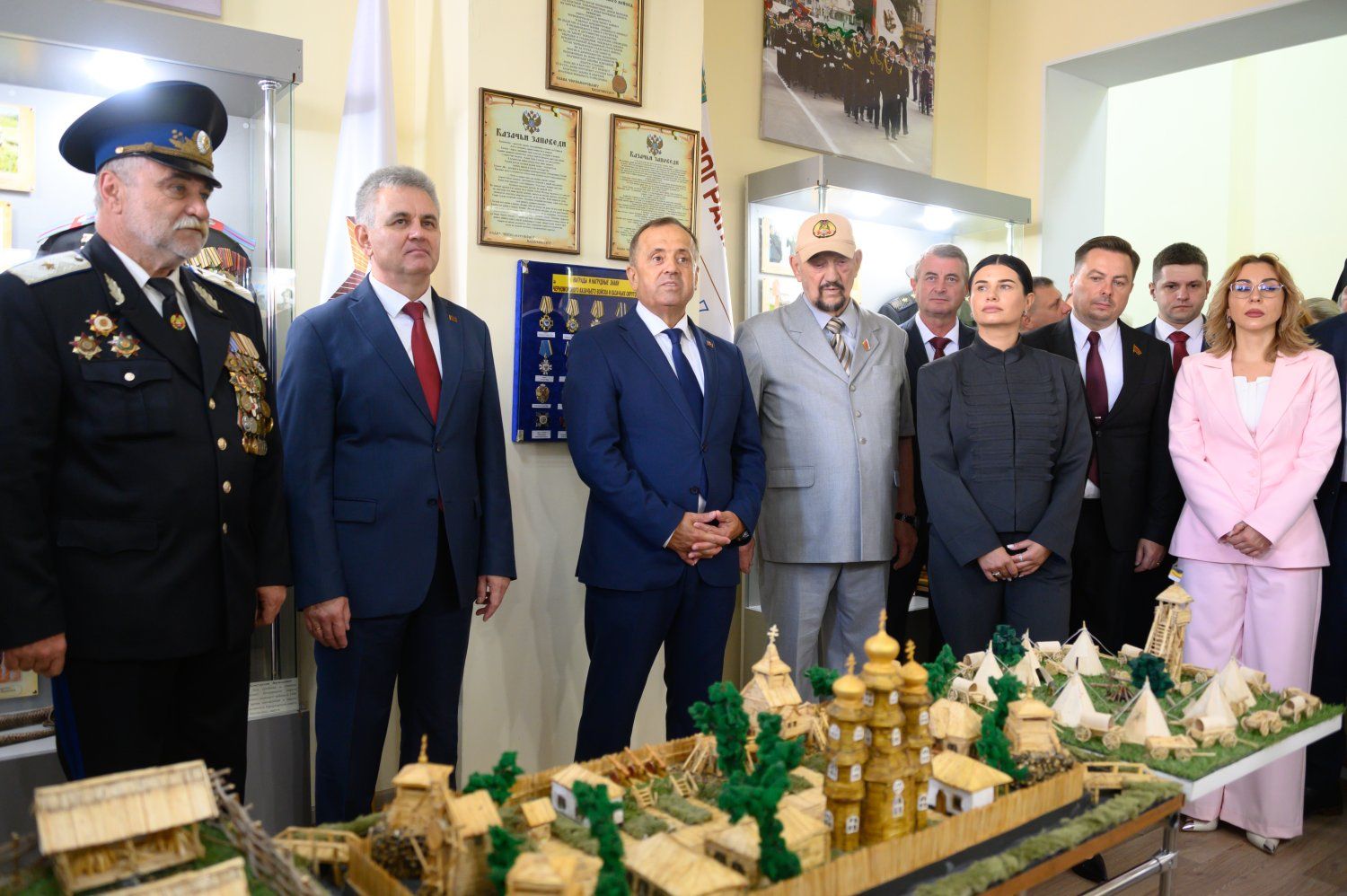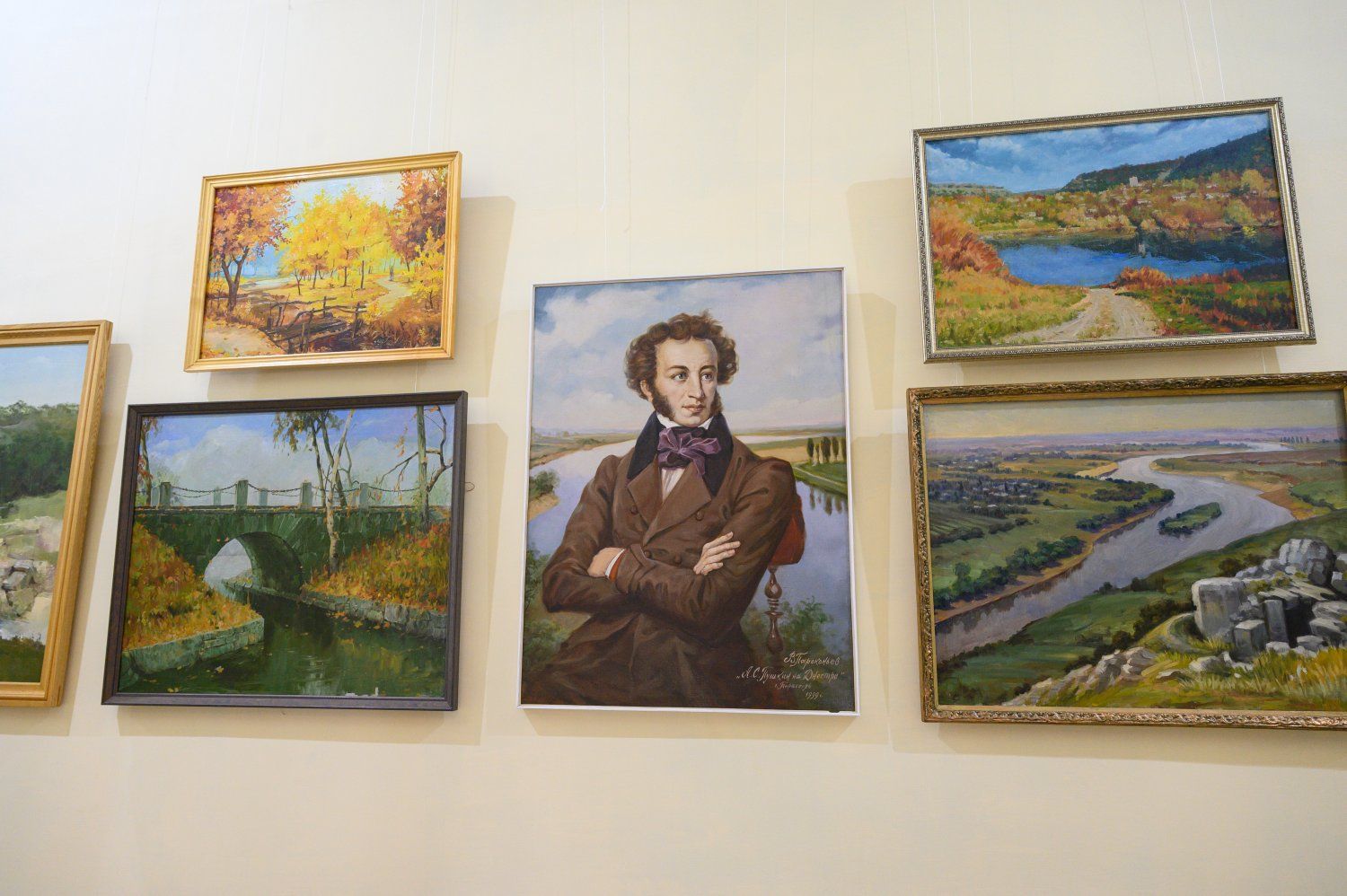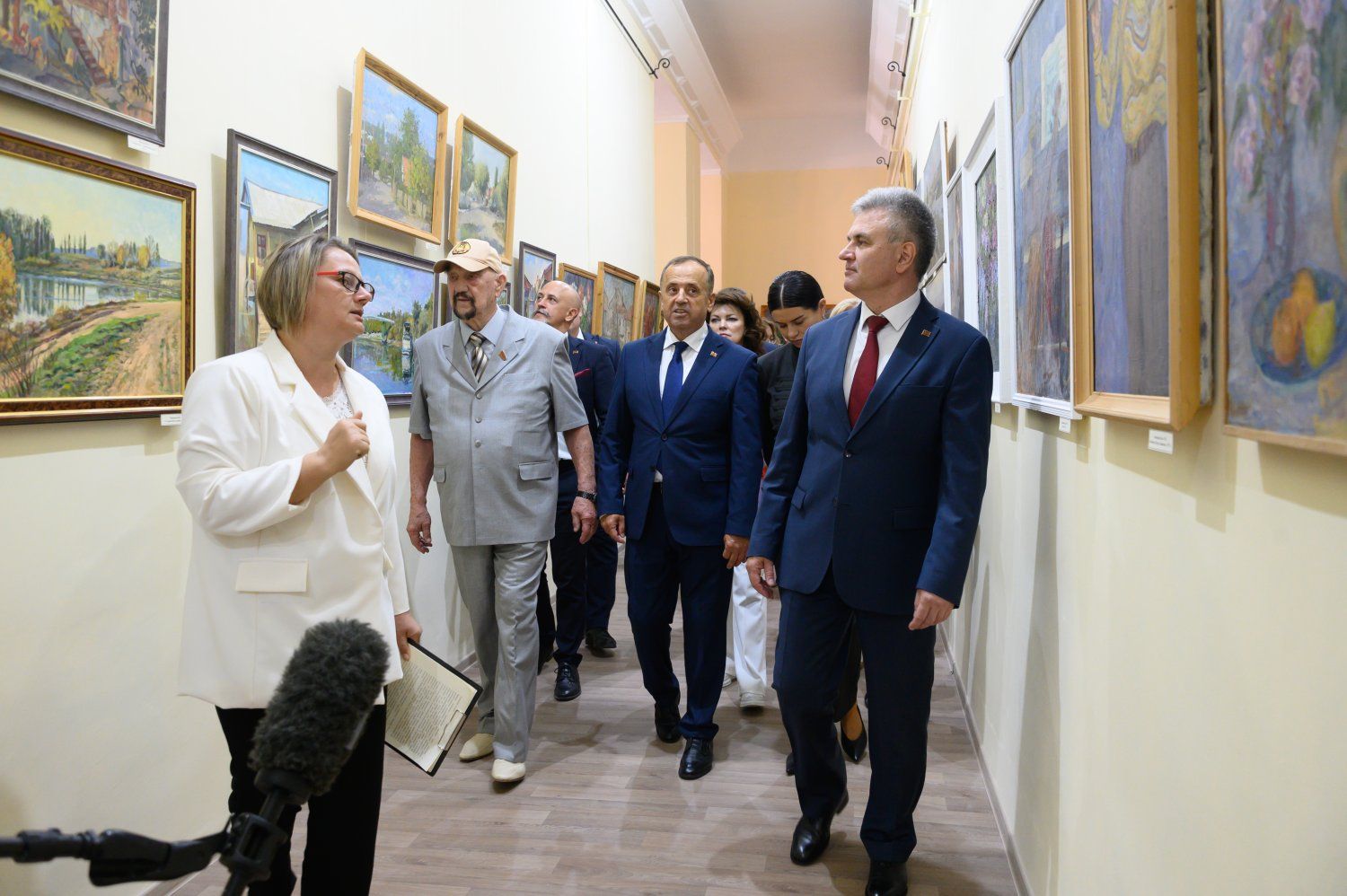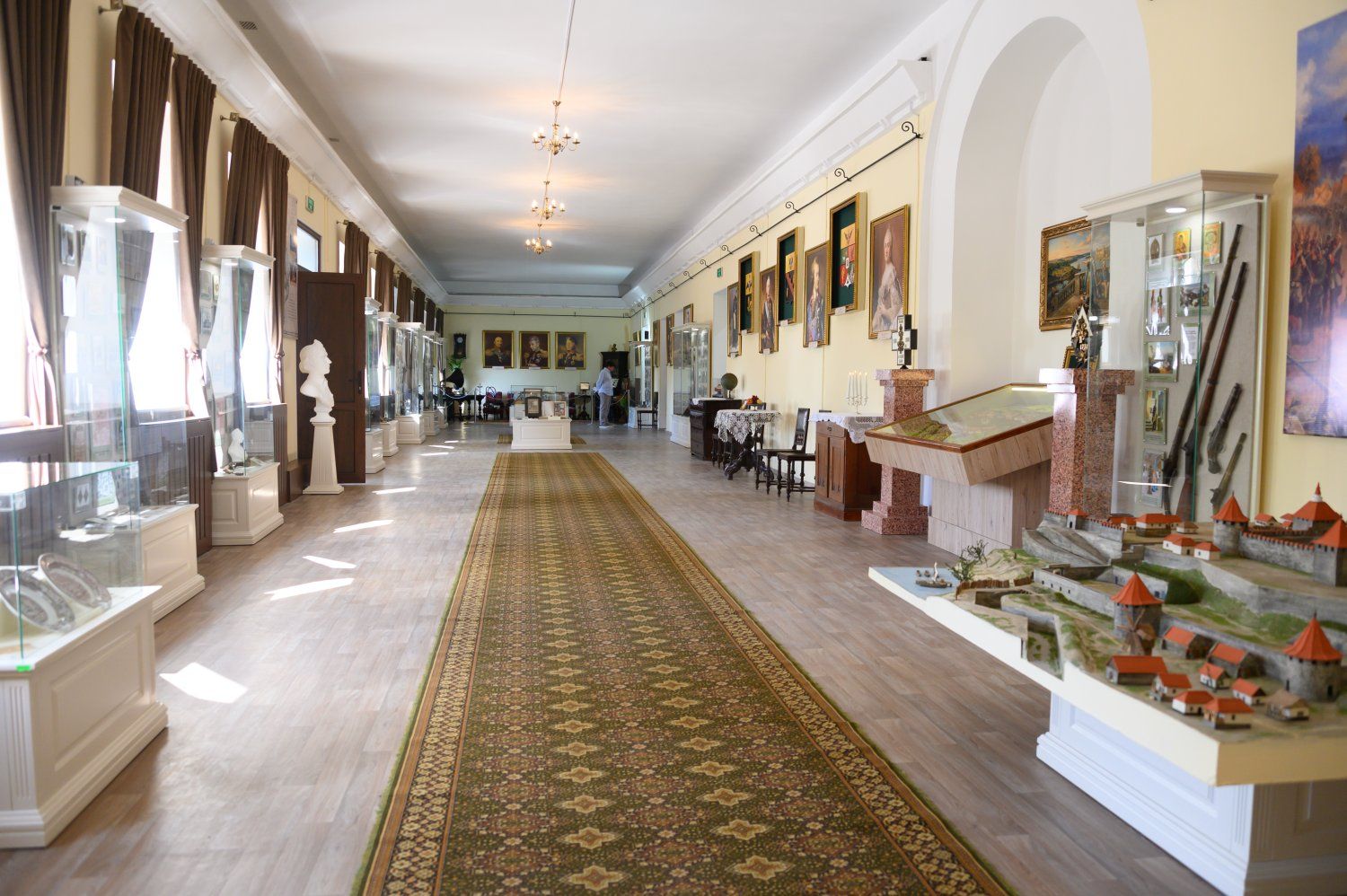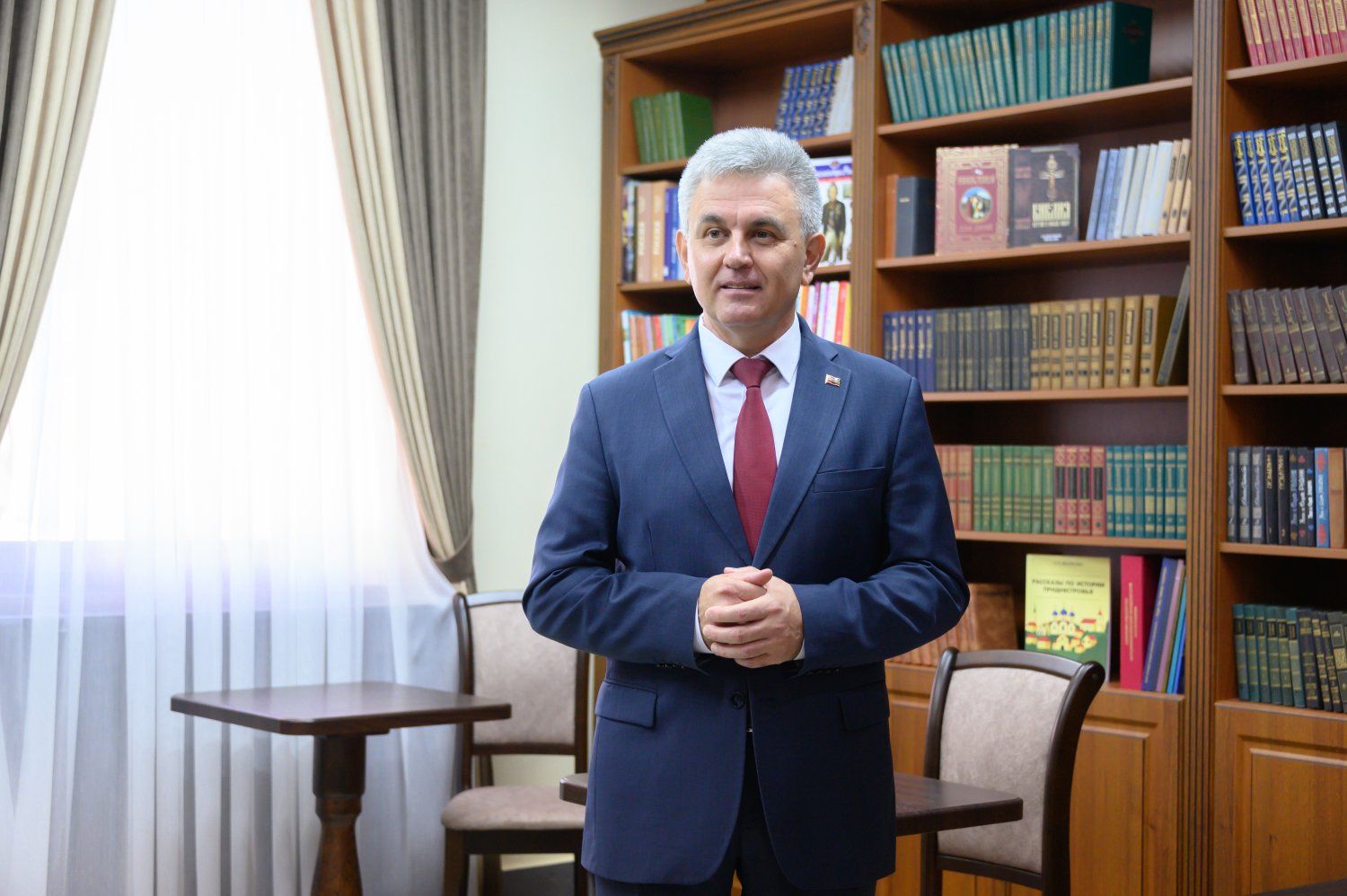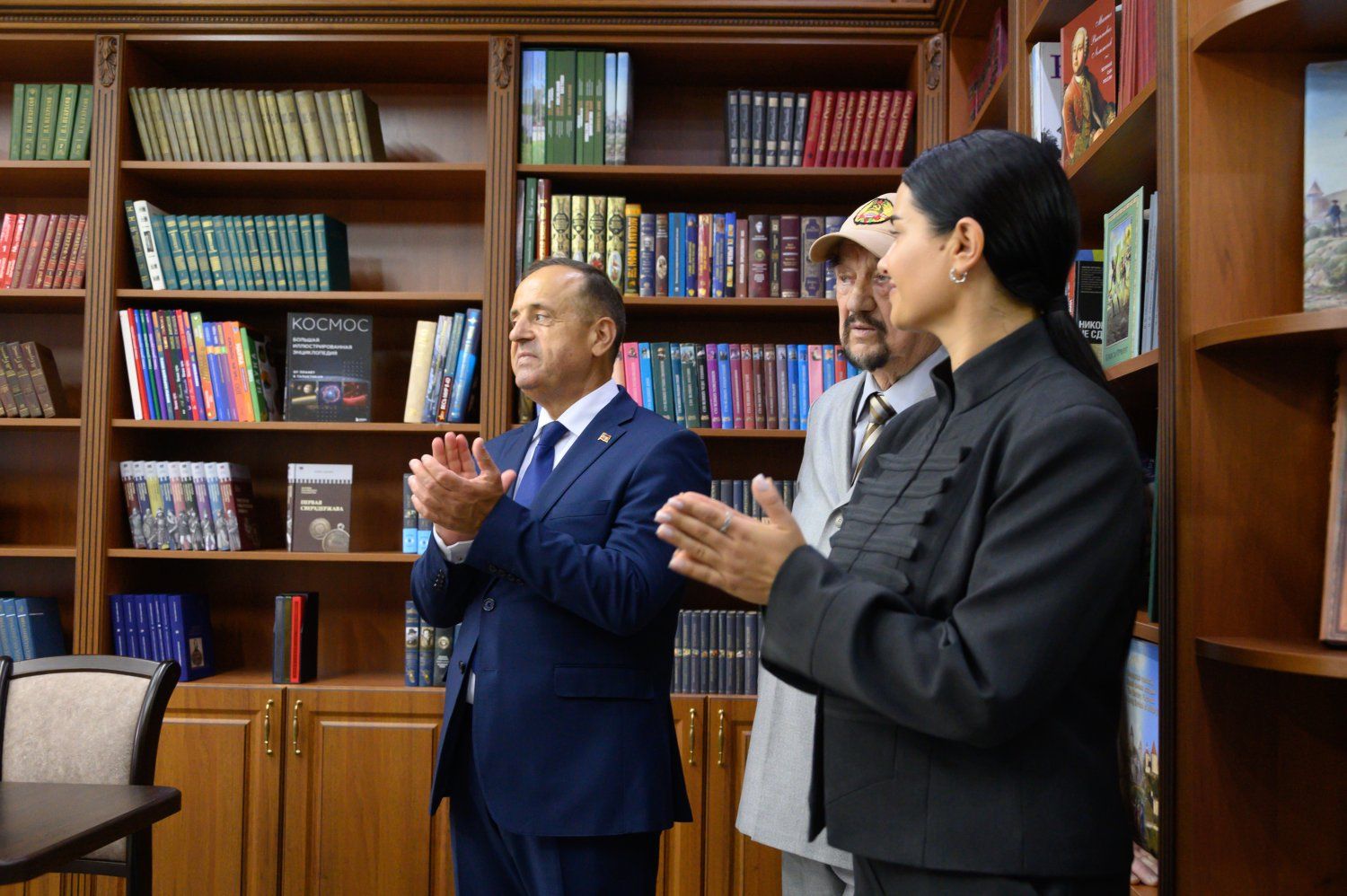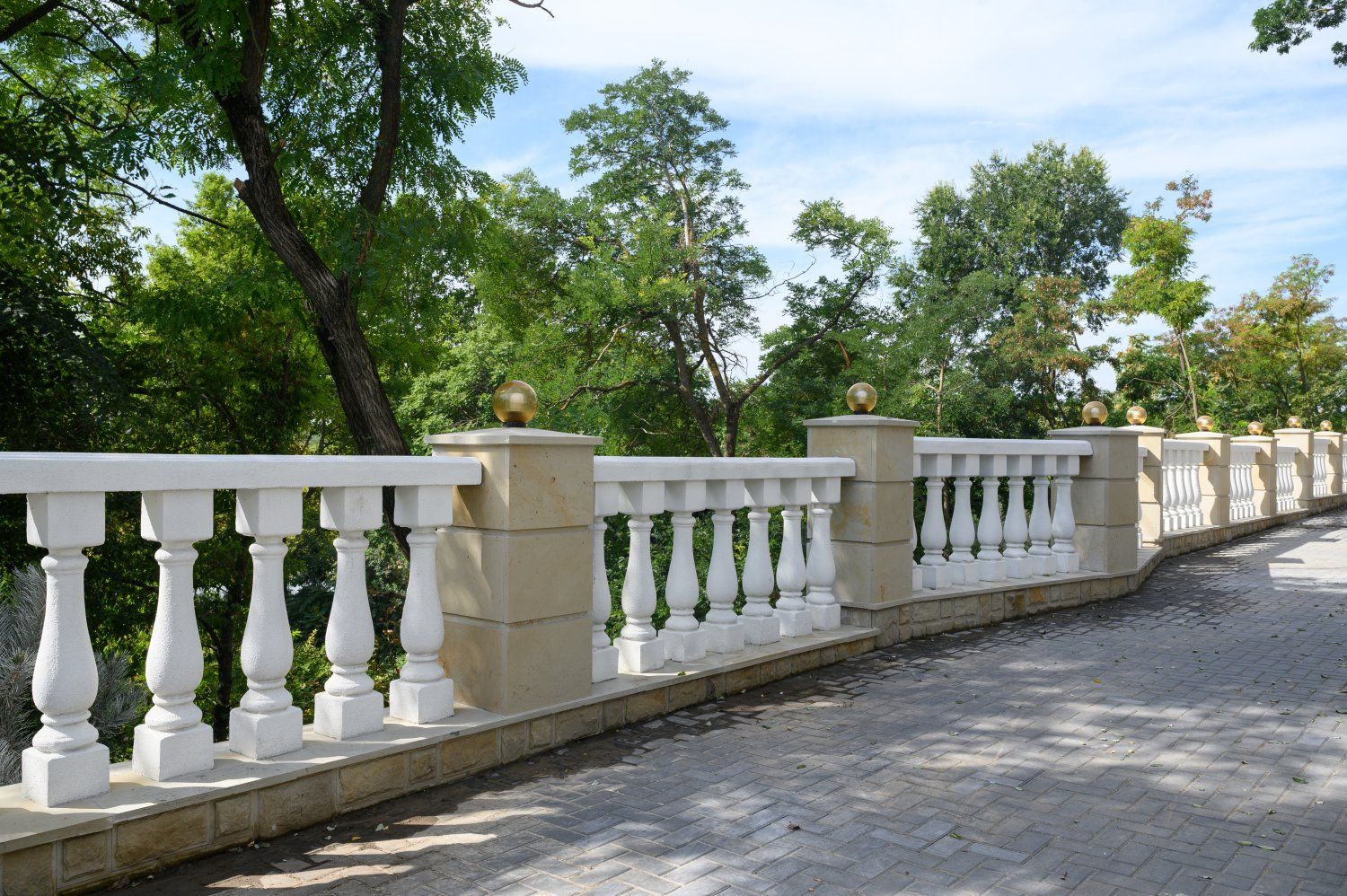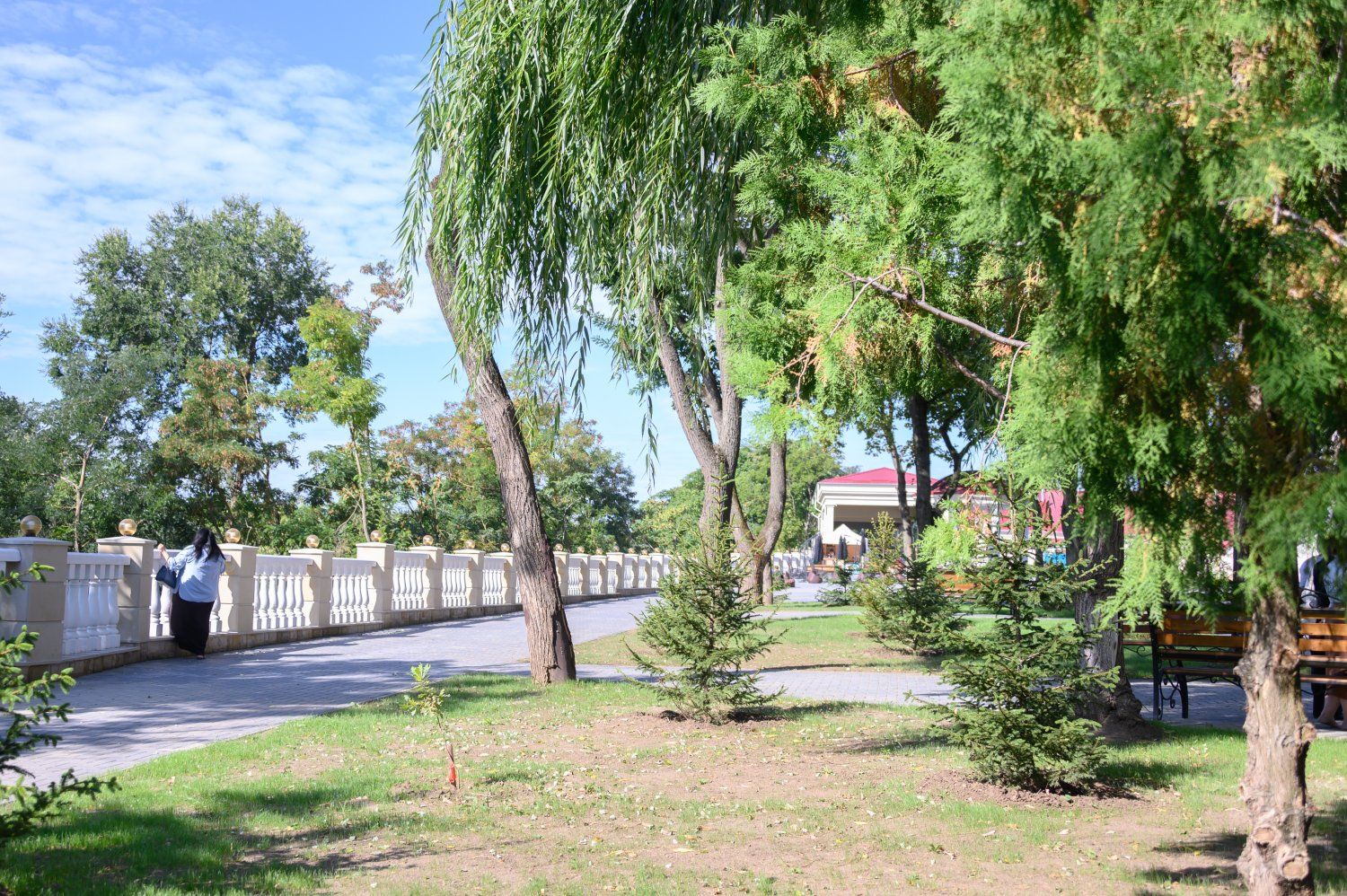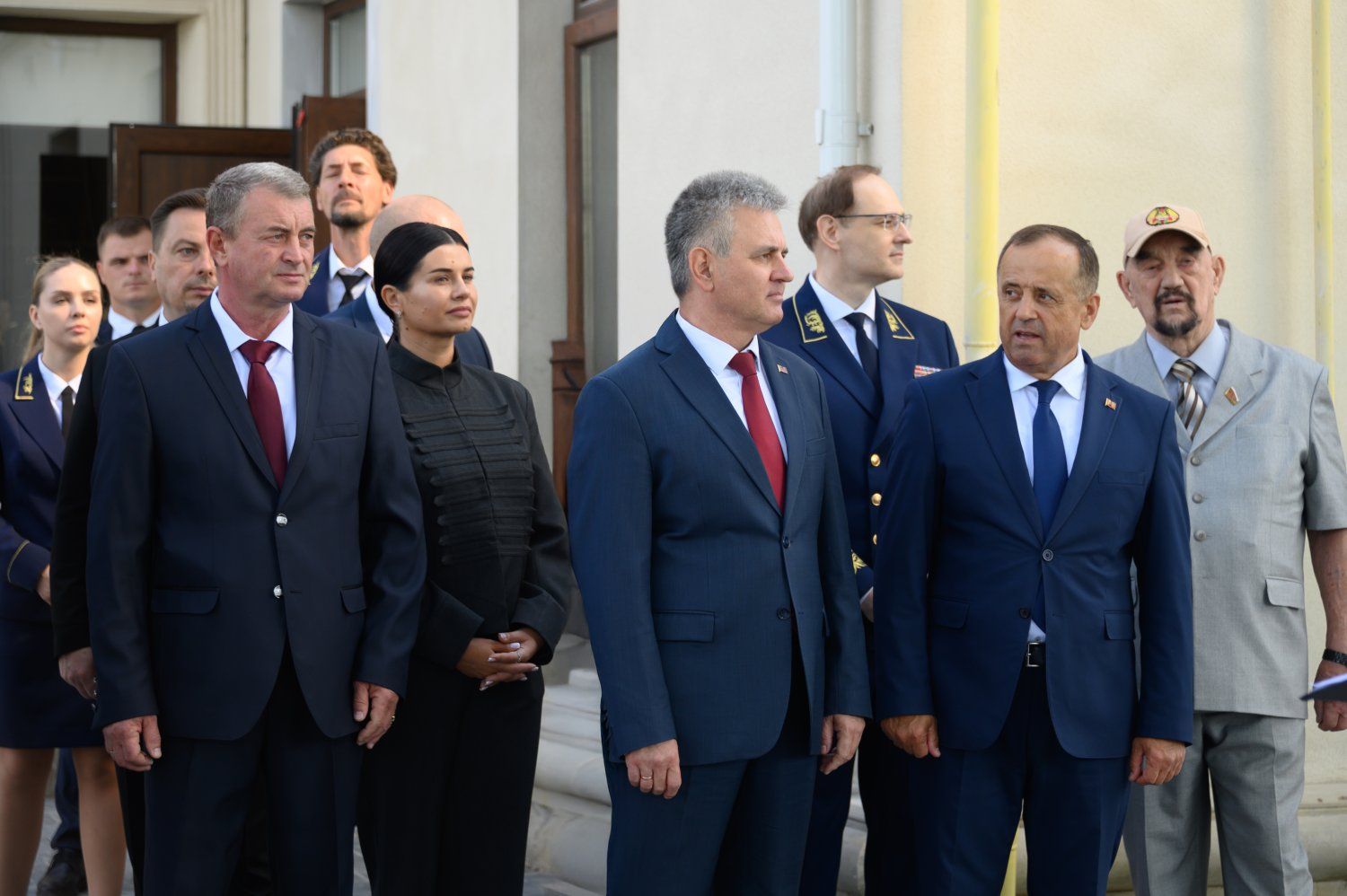
The ceremonial opening of new halls at the State Museum of History and Local Lore of Pridnestrovie took place in the capital on the 36th anniversary of the founding of the Pridnestrovian Moldavian Republic. This event was an important component of the program of celebratory events and marked the completion of the construction of the Museum Quarter, which began in 2020 at the initiative of President Vadim Krasnoselsky. The complex, located in the historic center of Tiraspol, is part of Catherine Park. Combining museum buildings, historical sites, and open-air exhibition spaces, it presents the centuries-old history of Pridnestrovie – from ancient times to the present day. The opening ceremony was attended by President Vadim Krasnoselsky, First President of the PMR Igor Smirnov, Archbishop of Tiraspol and Dubossary Sawa, Chairperson of the Supreme Council Tatyana Zalevskaya, the Government Chairman Alexander Rosenberg, Deputy Government Chairman Vitaly Neagu, Head of Tiraspol State Administration Ilona Tyuryaeva, ministers, members of parliament, and other officials.
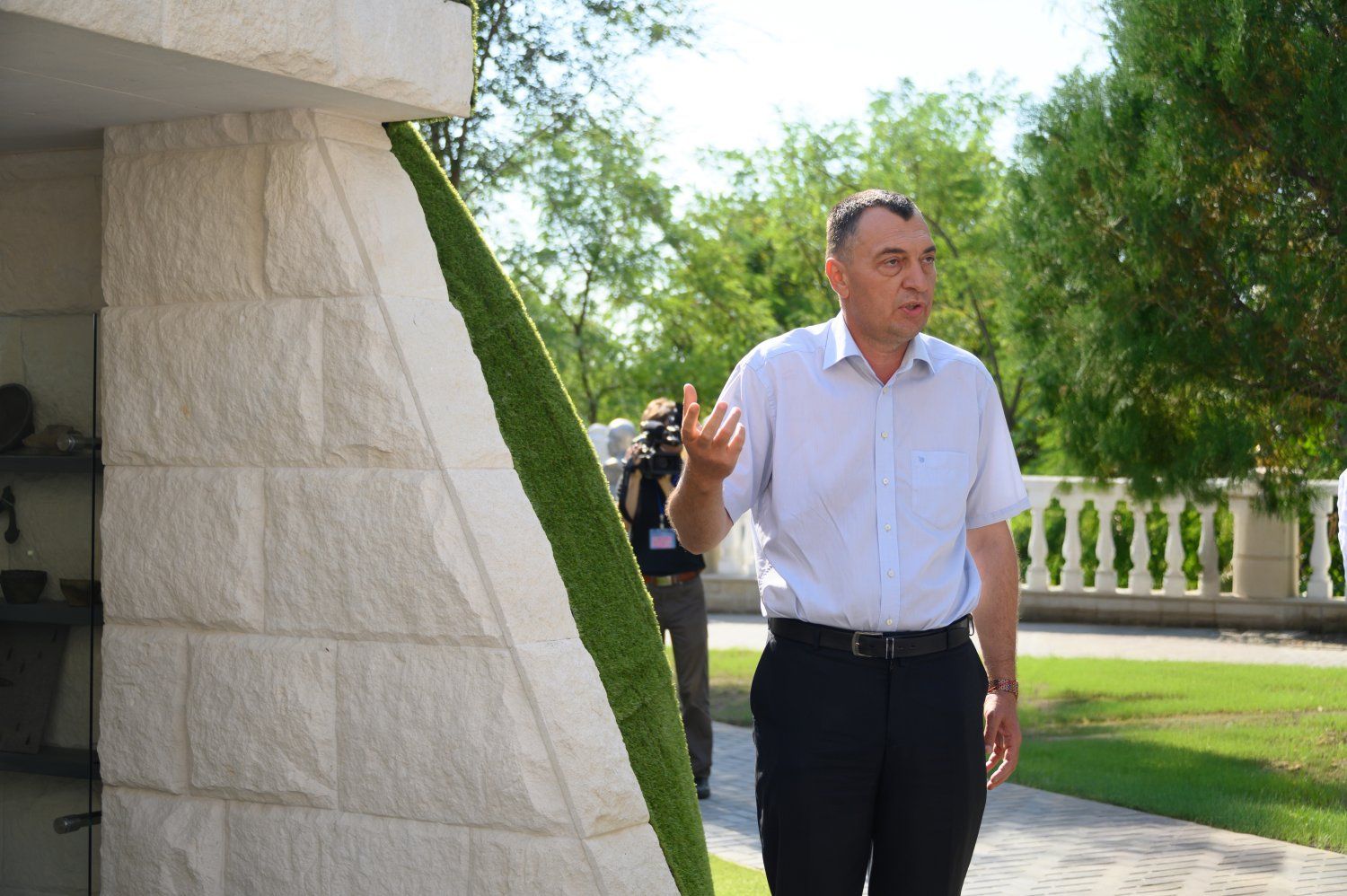
Addressing those present, the President noted that creating a museum involves not only the construction and decoration of the building, but its content above all. He emphasized that the artifacts, which testify to the multifaceted history of the Pridnestrovian region, are of particular value. The President emphasized that since 2020, the Museum Quarter has united approximately two dozen halls and various locations, and expressed confidence that the new museum space will be of interest to both residents of Pridnestrovie and visitors to the capital.
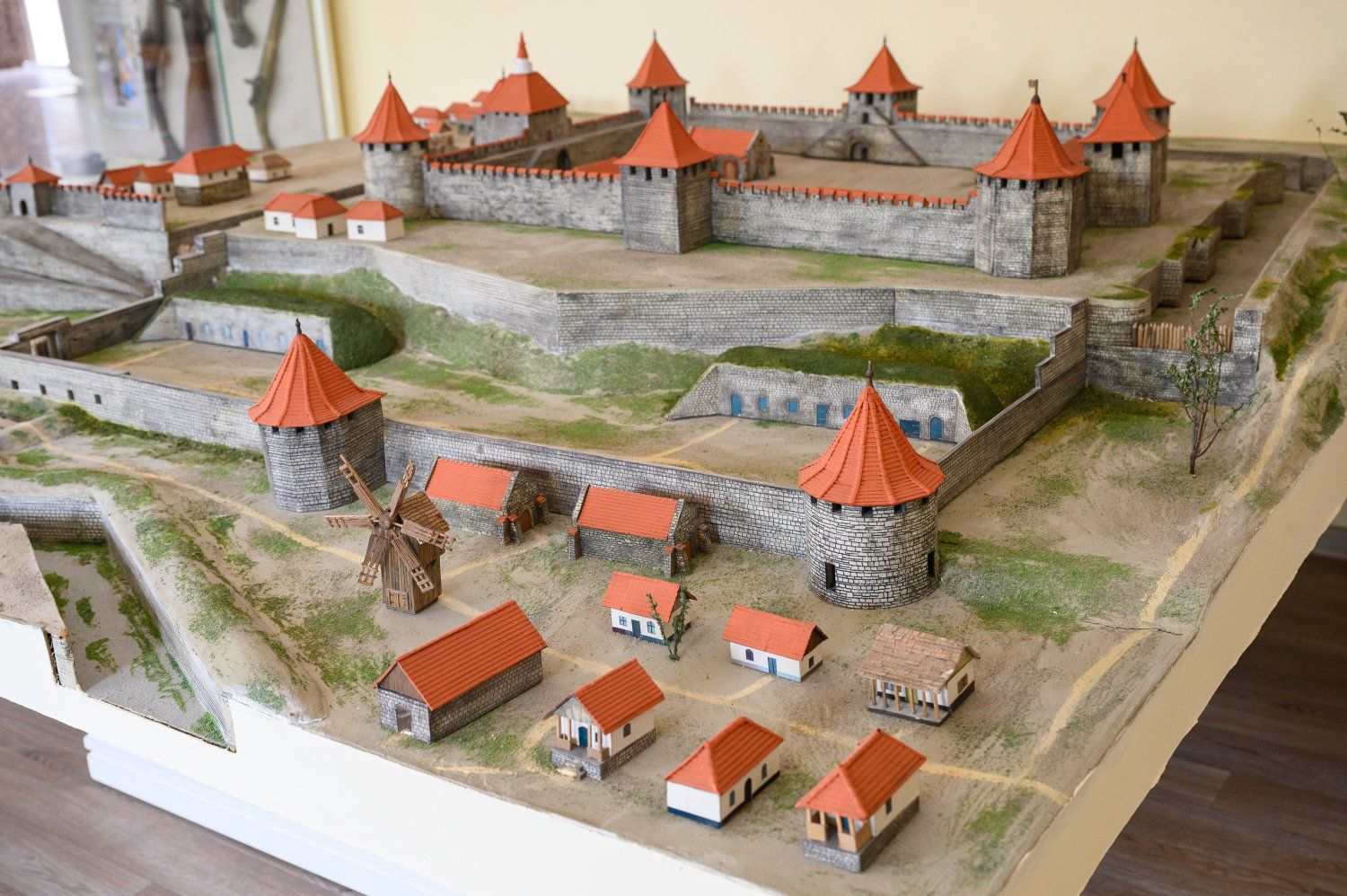
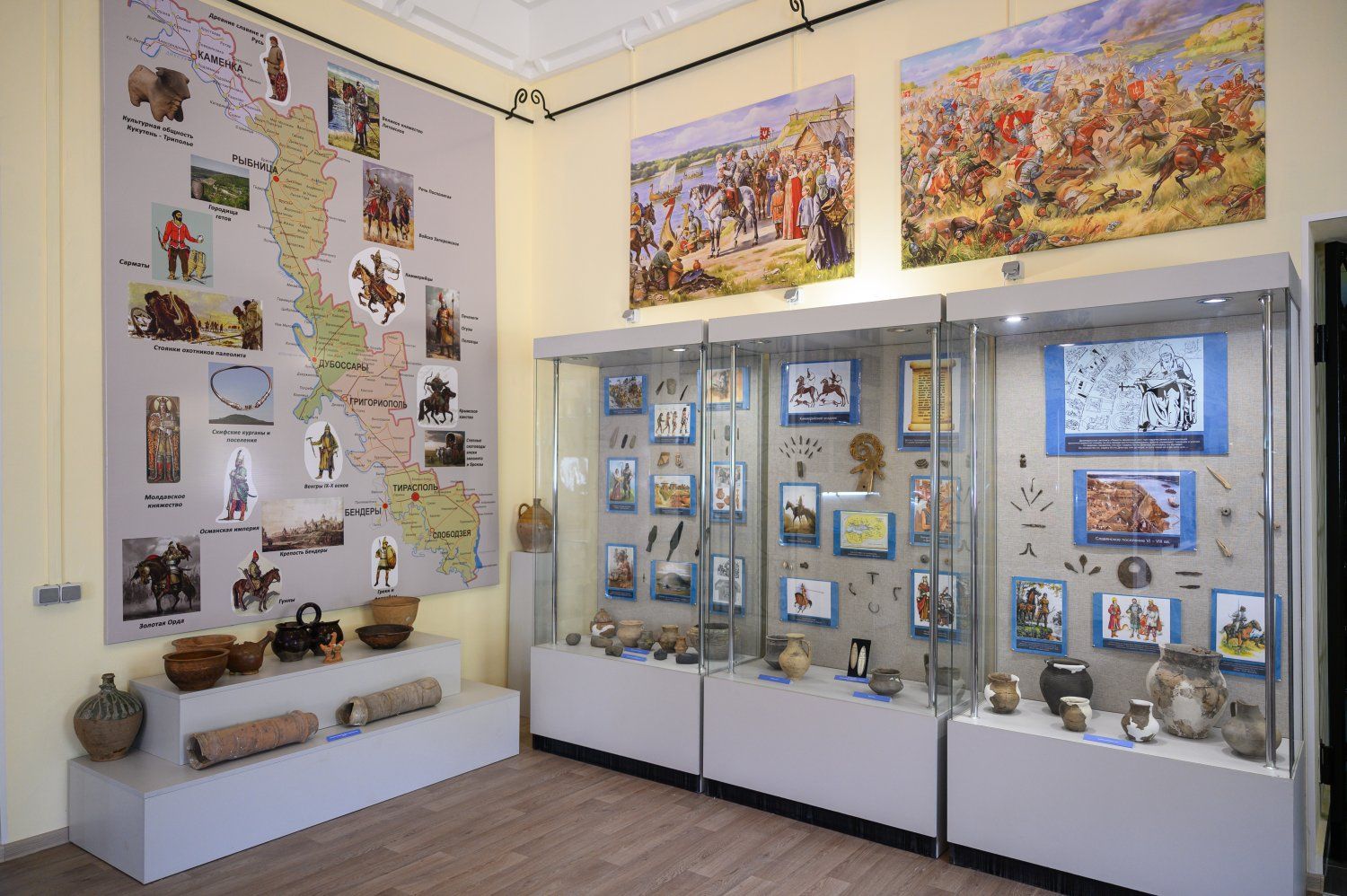
The modern museum complex opened to visitors in stages. The first exhibitions dedicated to the Great Patriotic War, the post-war Soviet period, the war in Afghanistan, and the formation of Pridnestrovian statehood were unveiled last year. The Hall of Memory of the Defenders of Pridnestrovie, dedicated to the events of 1992, welcomed its first visitors earlier this year. Distinguished guests embarked on the first tour of seven new exhibition spaces after the official opening ceremony today. Each is dedicated to a specific period in the history of the Pridnestrovian region. The "Nature Department" displays materials on paleontology, the region's geographical features, and its flora and fauna. The exhibition "Pridnestrovie in the Middle Ages" introduces visitors to the region's history from the 6th to the 13th centuries, the period of settlement by the Slavic tribes of Tivertsi and Ulichi, the influence of Kievan Rus, and nomadic invasions. Separate sections cover the Pridnestrovian lands as part of the Principality of Moldavia, the Grand Duchy of Lithuania, and the Polish-Lithuanian Commonwealth.
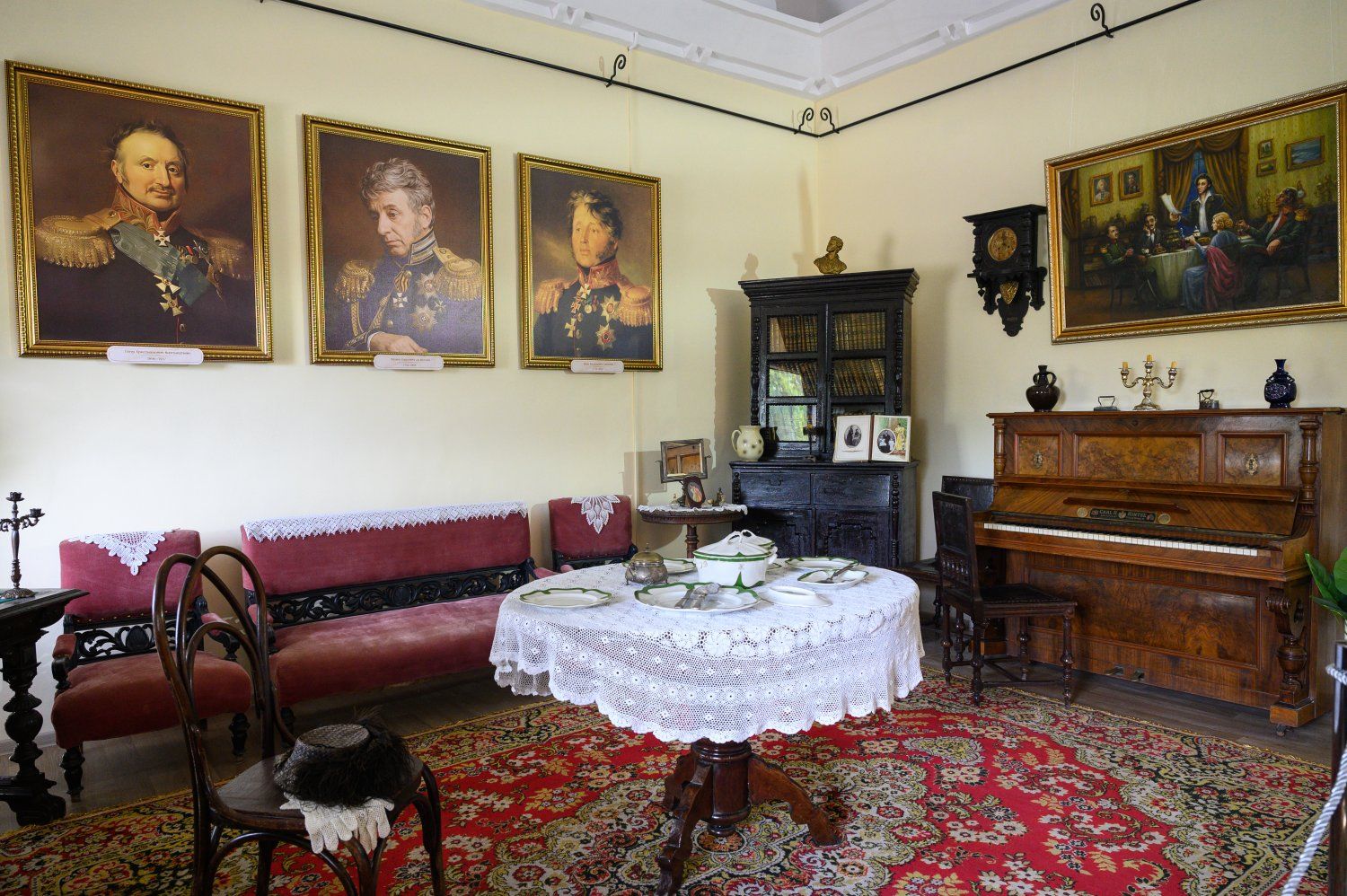
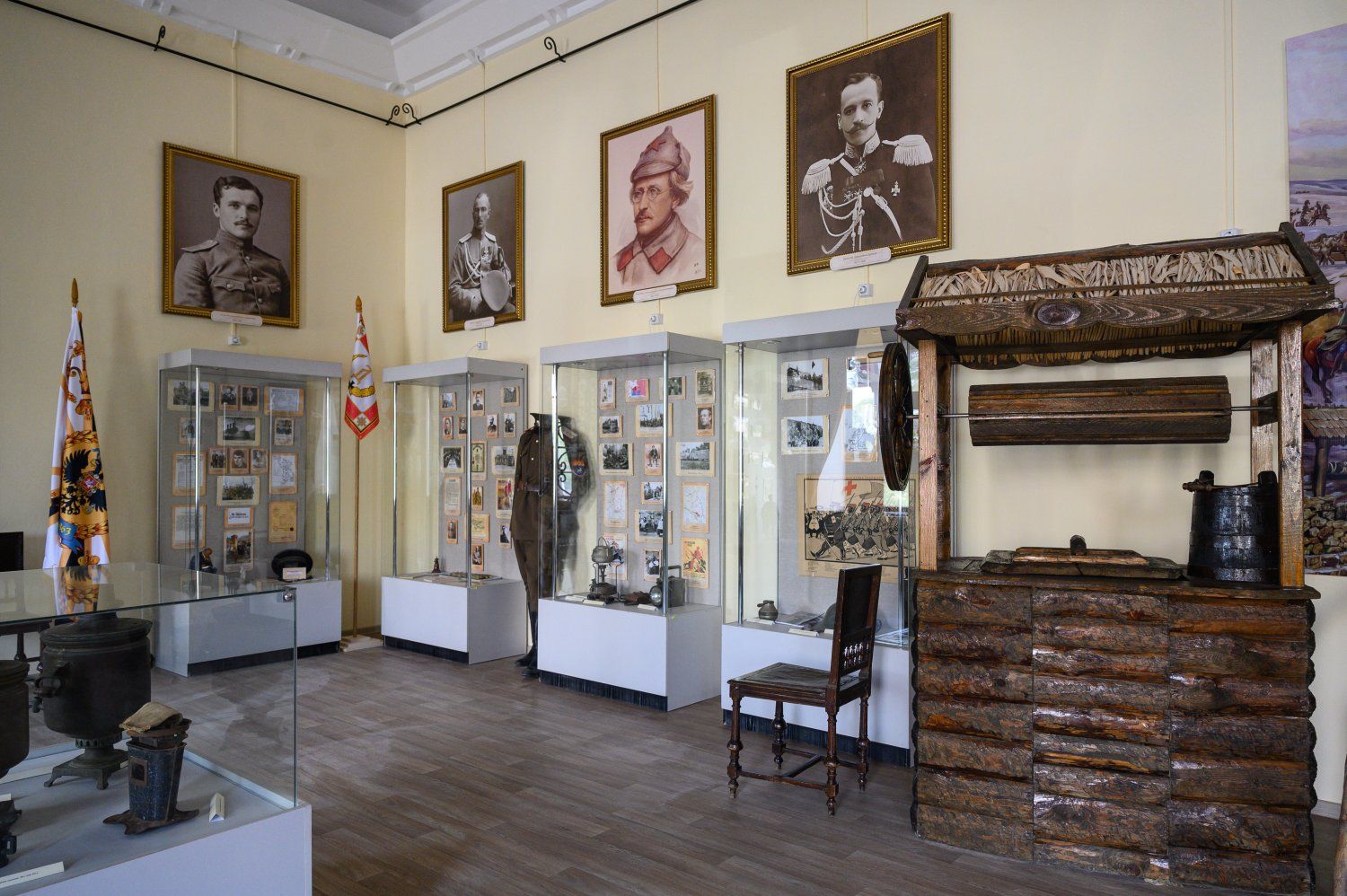
A separate hall is dedicated to the history of Pridnestrovie from the 18th to the early 20th centuries. The exhibition covers the events of the Russo-Turkish Wars, the incorporation of the Pridnestrovian lands into the Russian Empire, the founding of Tiraspol and Grigoriopol, and the settlement and development of the region. It features materials on the economic and cultural development of the region, the development of education and healthcare, prominent natives, and the history of military units of the Russian Army, as well as visits by the emperors of the Russian Empire.
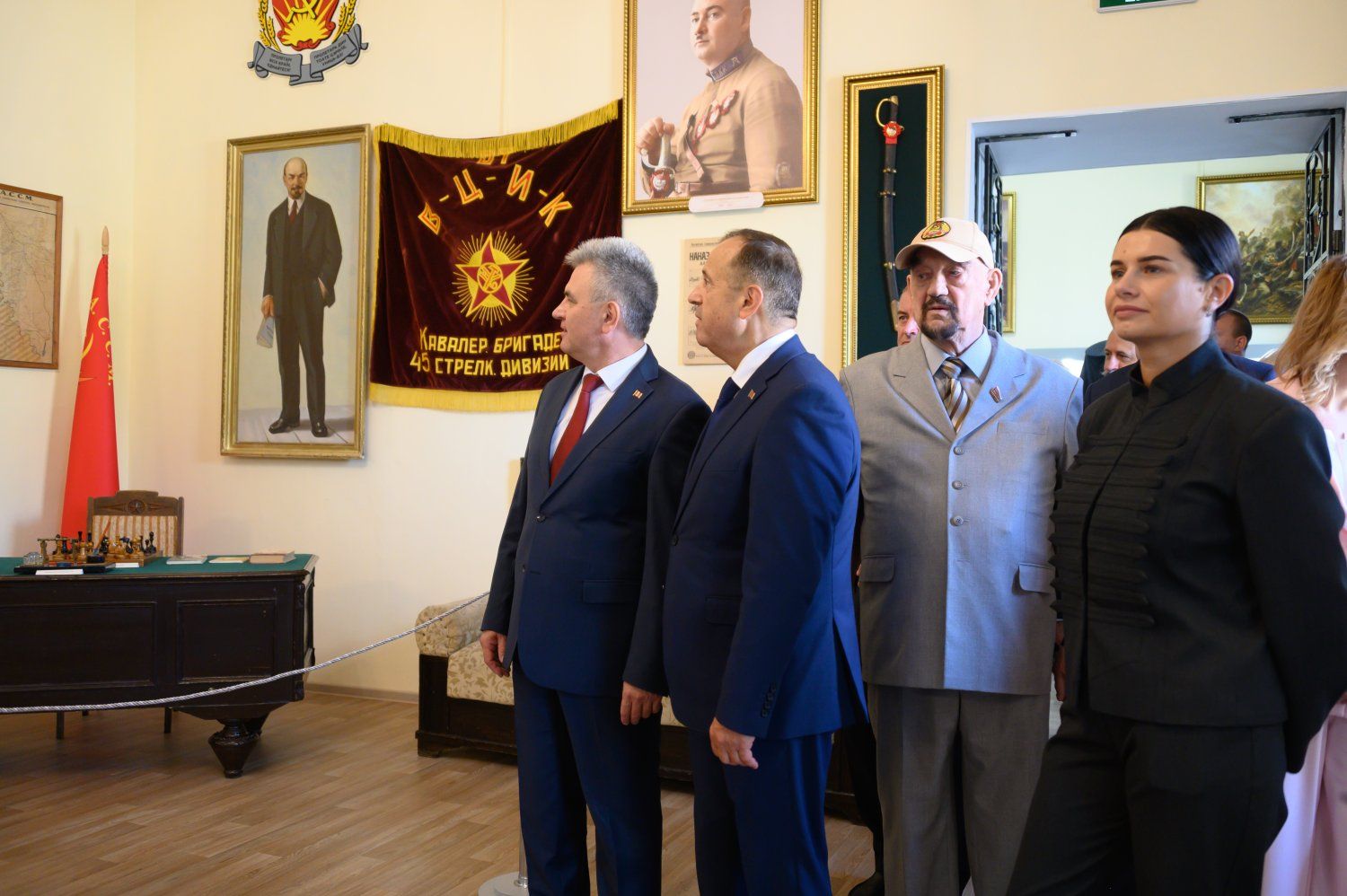
The next hall is dedicated to the period of the 1917 Revolution and the Civil War. The exhibition covers both the Red and White movements. A significant portion of the exhibition is dedicated to the creation of the first state on the Dniester – the Moldavian ASSR – and the development of the region's economy, science, and culture. It also explores the tragic events associated with the Romanian occupation of Bendery and the right-bank regions of Pridnestrovie from 1918 to 1940, followed by the liberation of the territory, which led to the formation of the Moldavian SSR in 1940.
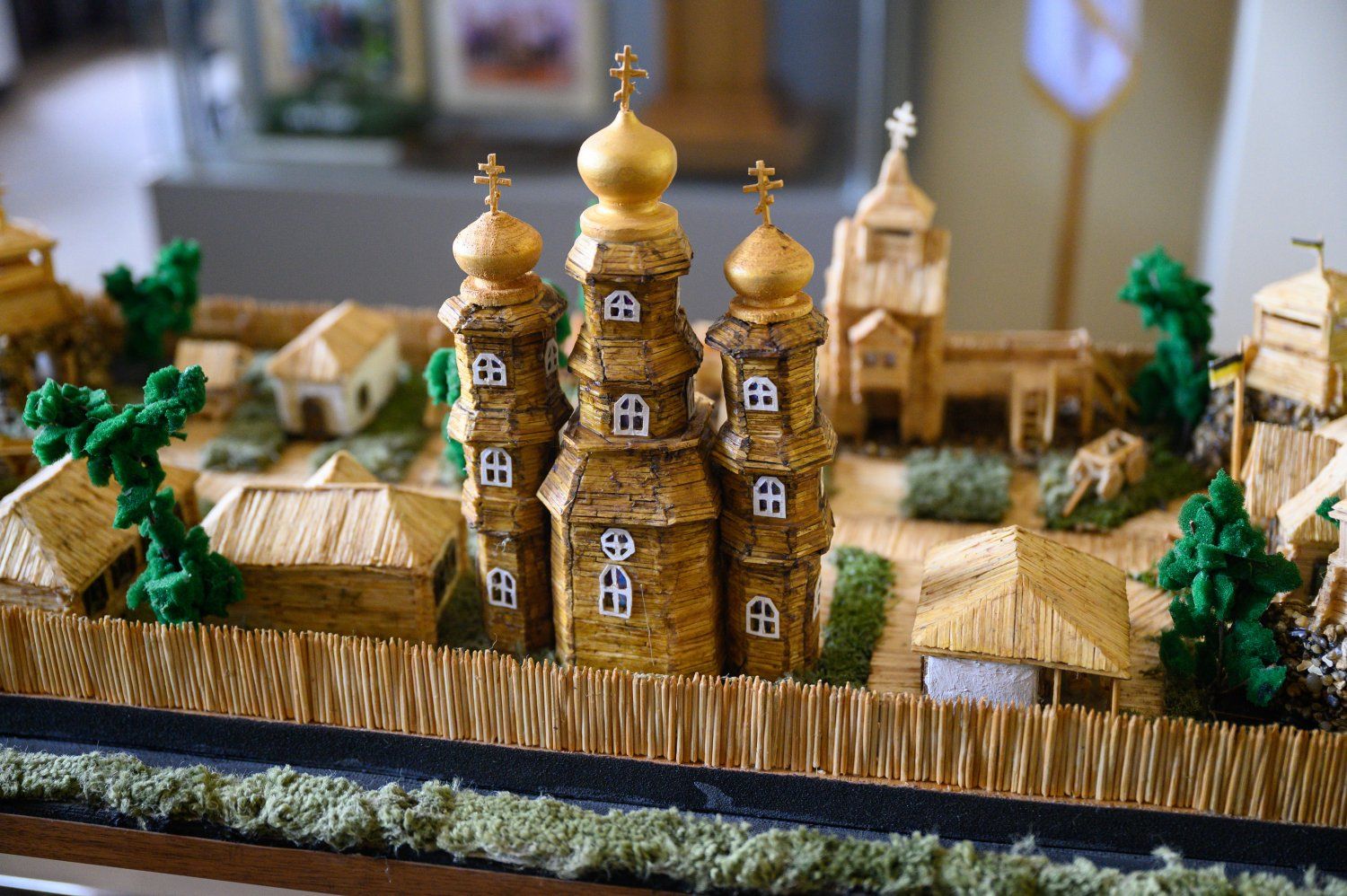
An important exhibition is dedicated to the Cossacks. It was created in collaboration with the Black Sea Cossack Host of the PMR and presents the history of the Cossacks from the late 18th century, the events following the 1917 Revolution, the period of repression and decossackization, the revival of the Black Sea Cossack Host in Pridnestrovie, the participation of Cossacks in the events of 1992, and the modern history of the Cossacks.
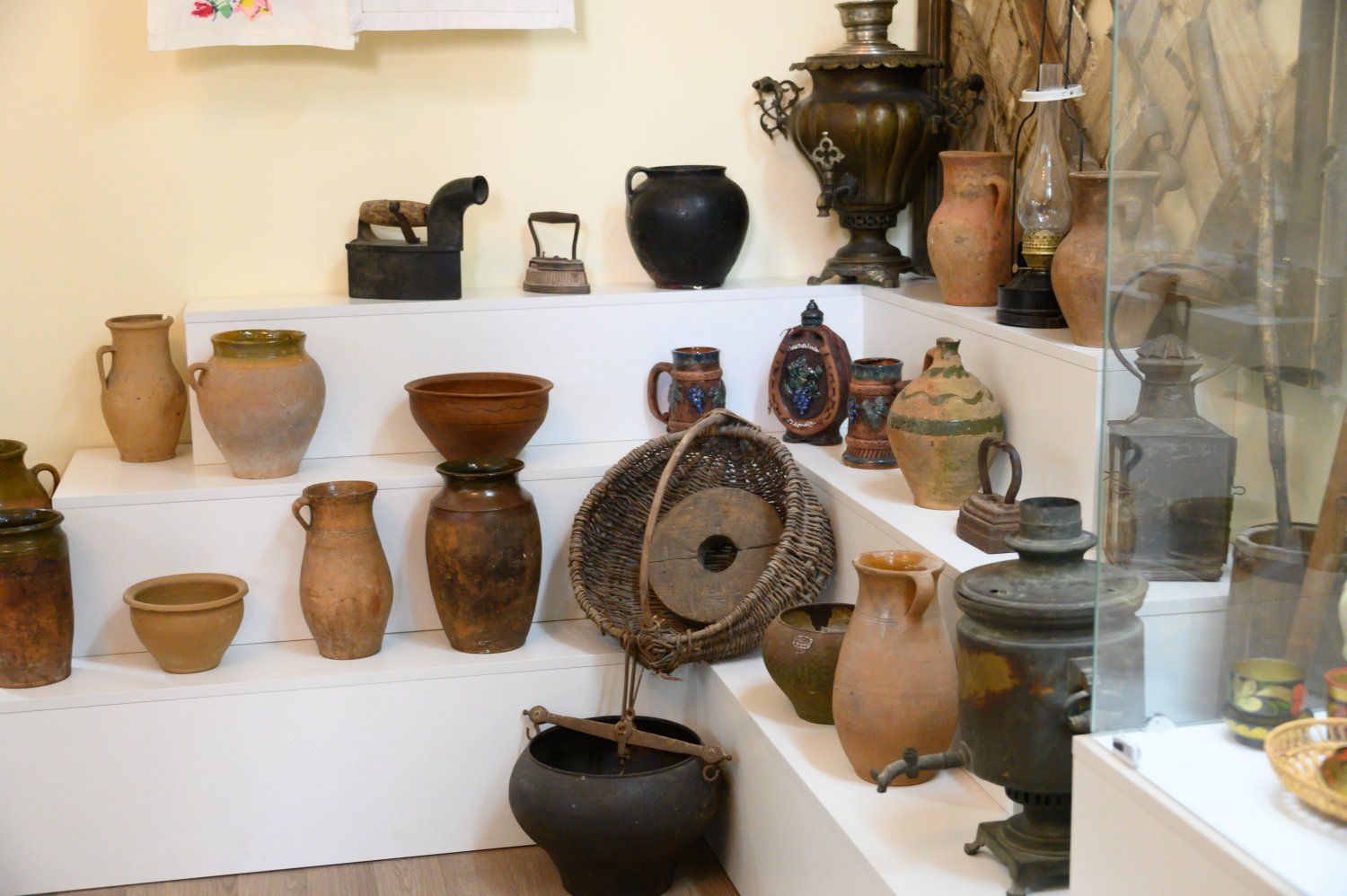
The ethnography hall introduces visitors to objects of everyday life, culture, and spiritual life of the multinational and multi-confessional Pridnestrovian people. A separate exhibition is dedicated to the history of Orthodoxy and the Old Believers in the Pridnestrovian region.
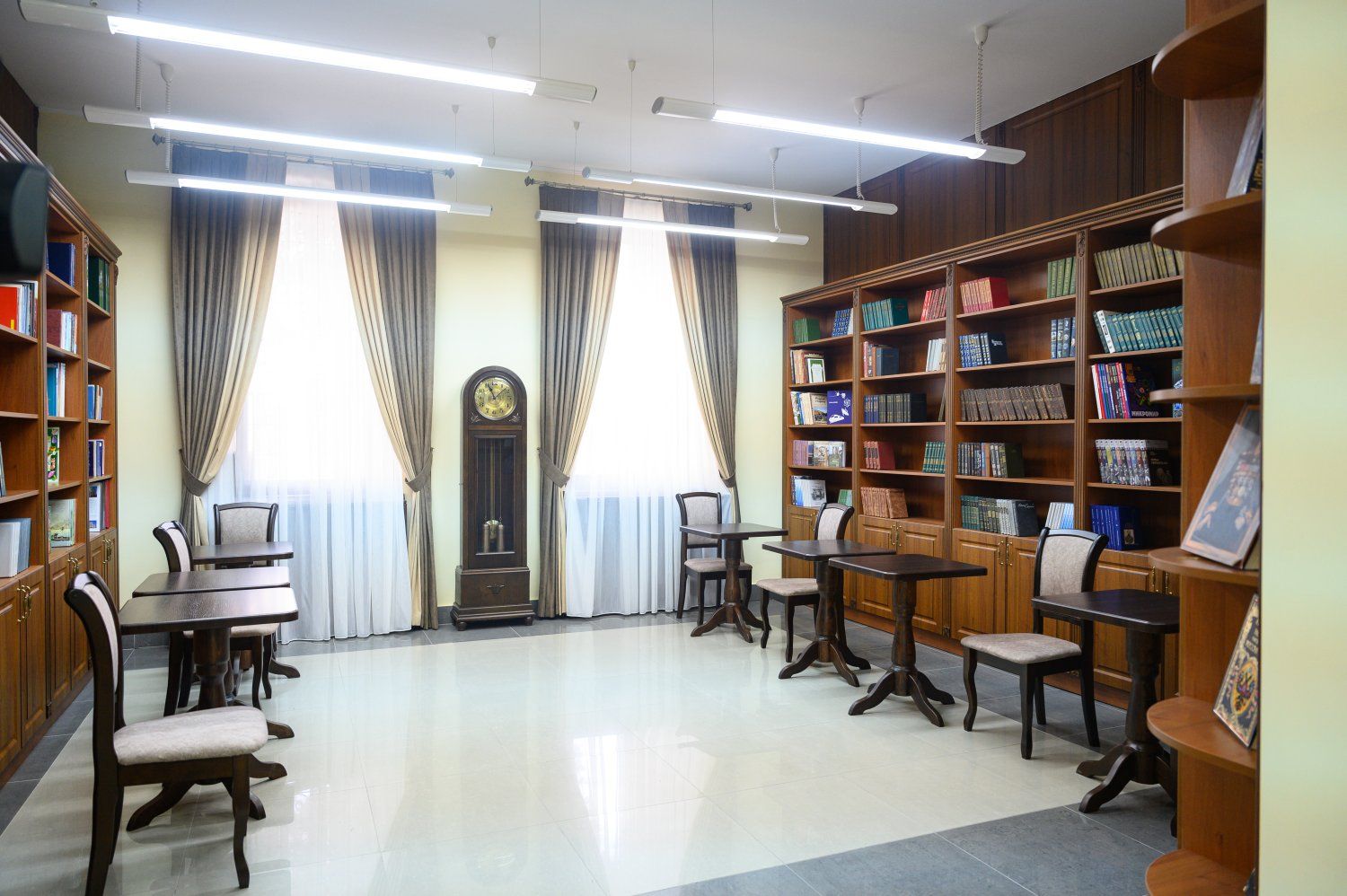
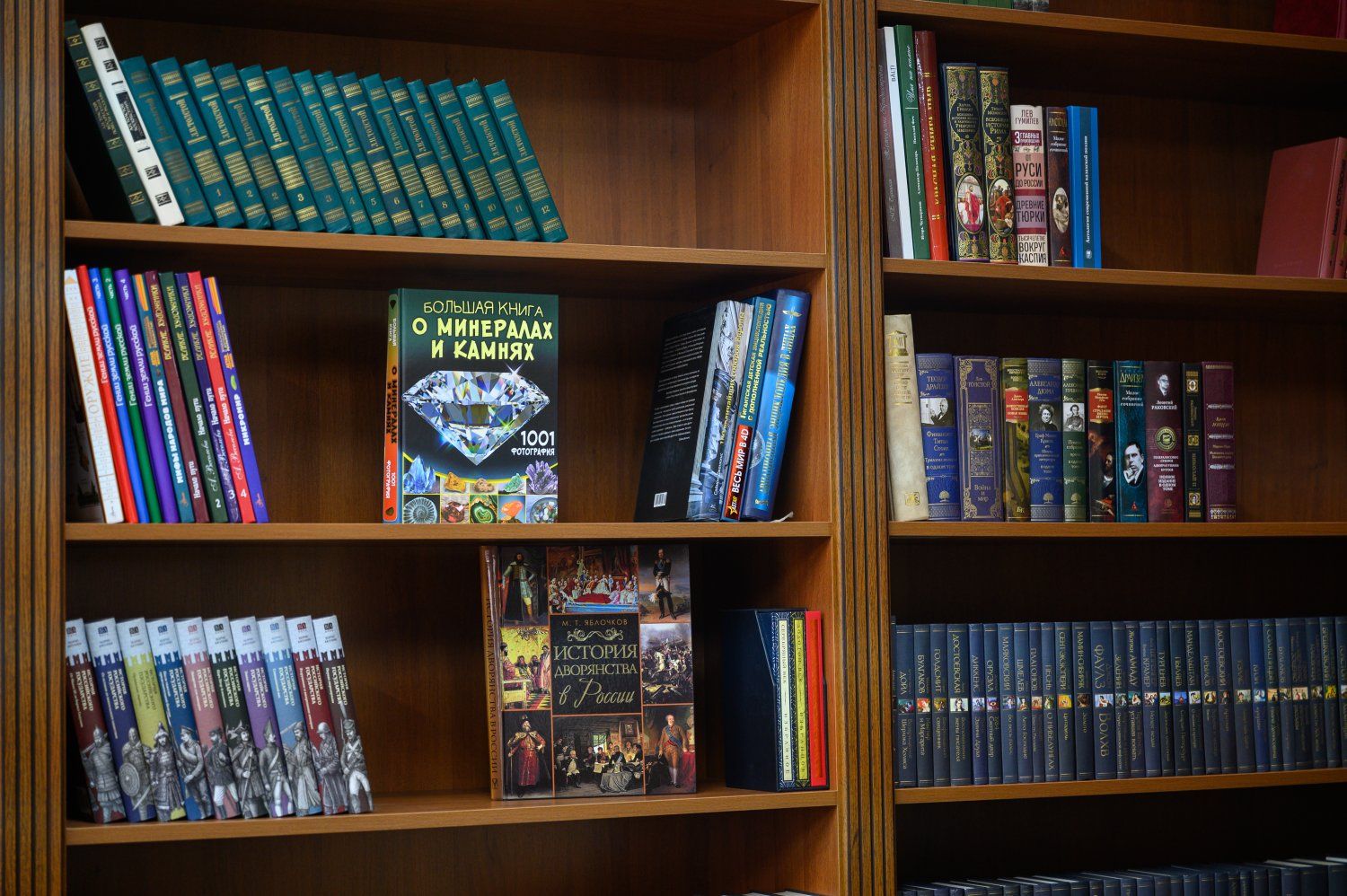
The museum complex includes a modern conference hall and a library, which currently holds approximately 1000 books. Essentially, it serves as a reading room for museum visitors. As the President explained, the conference hall is planned for educational meetings with schoolchildren and students.
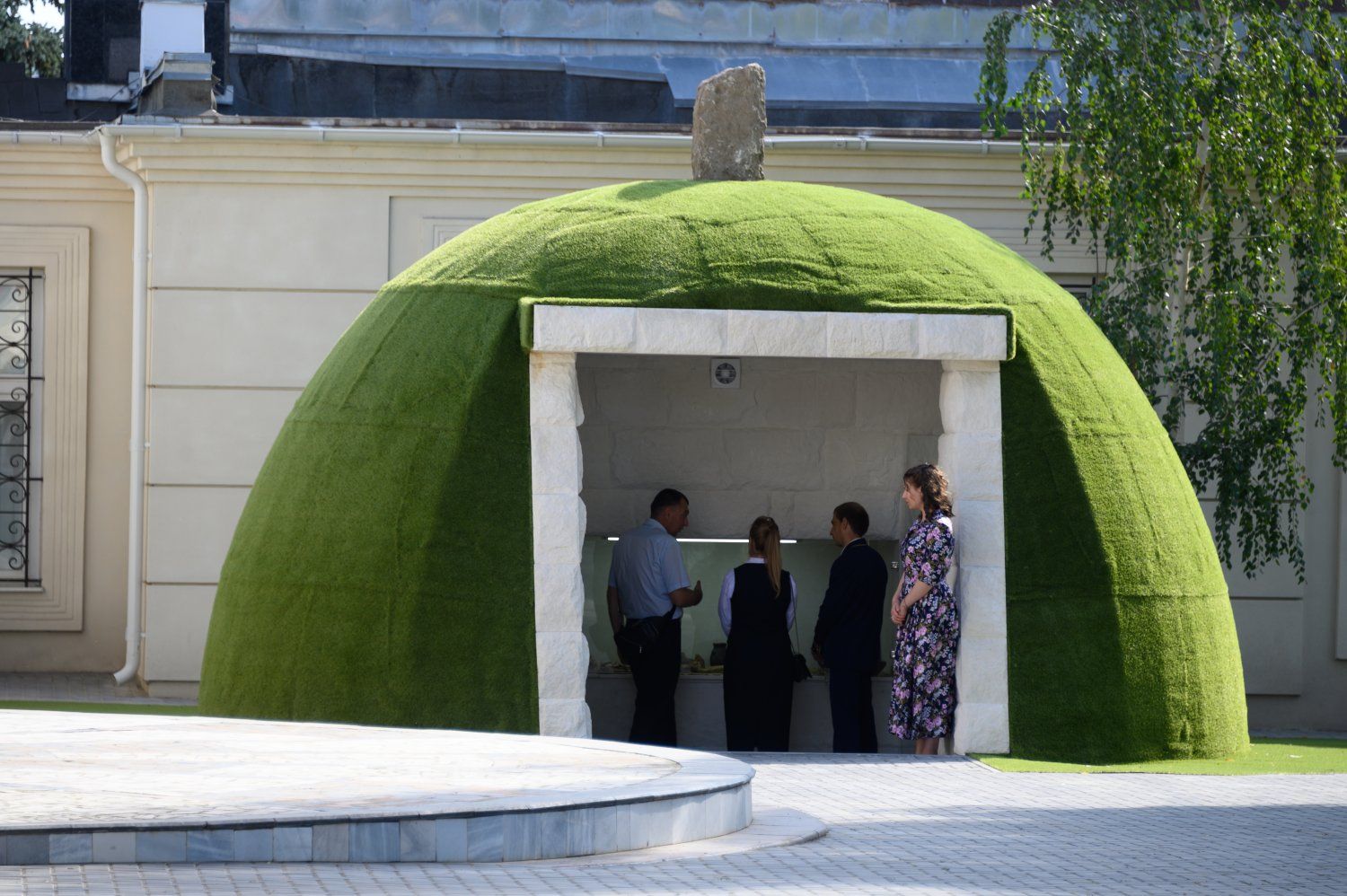
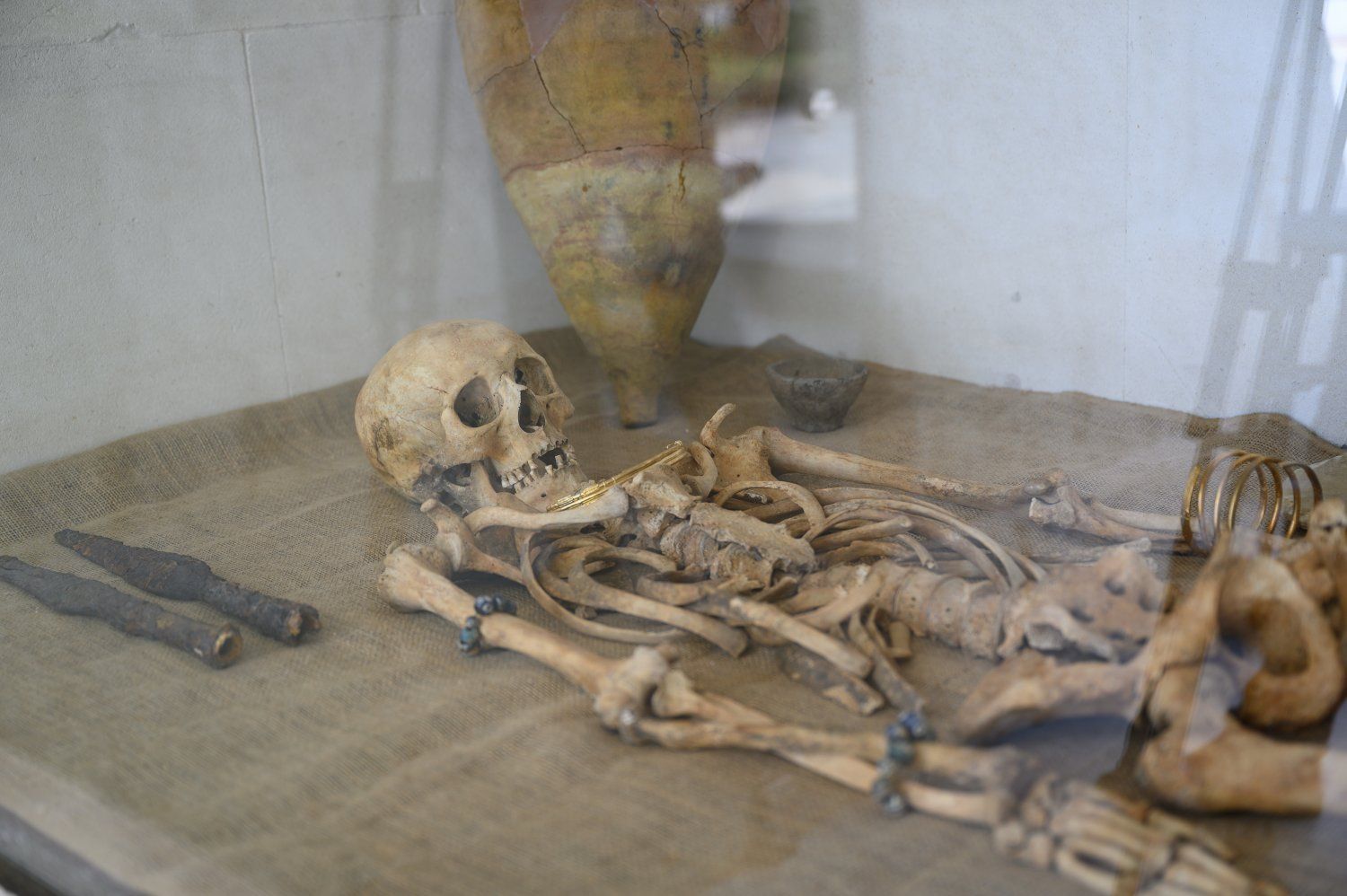
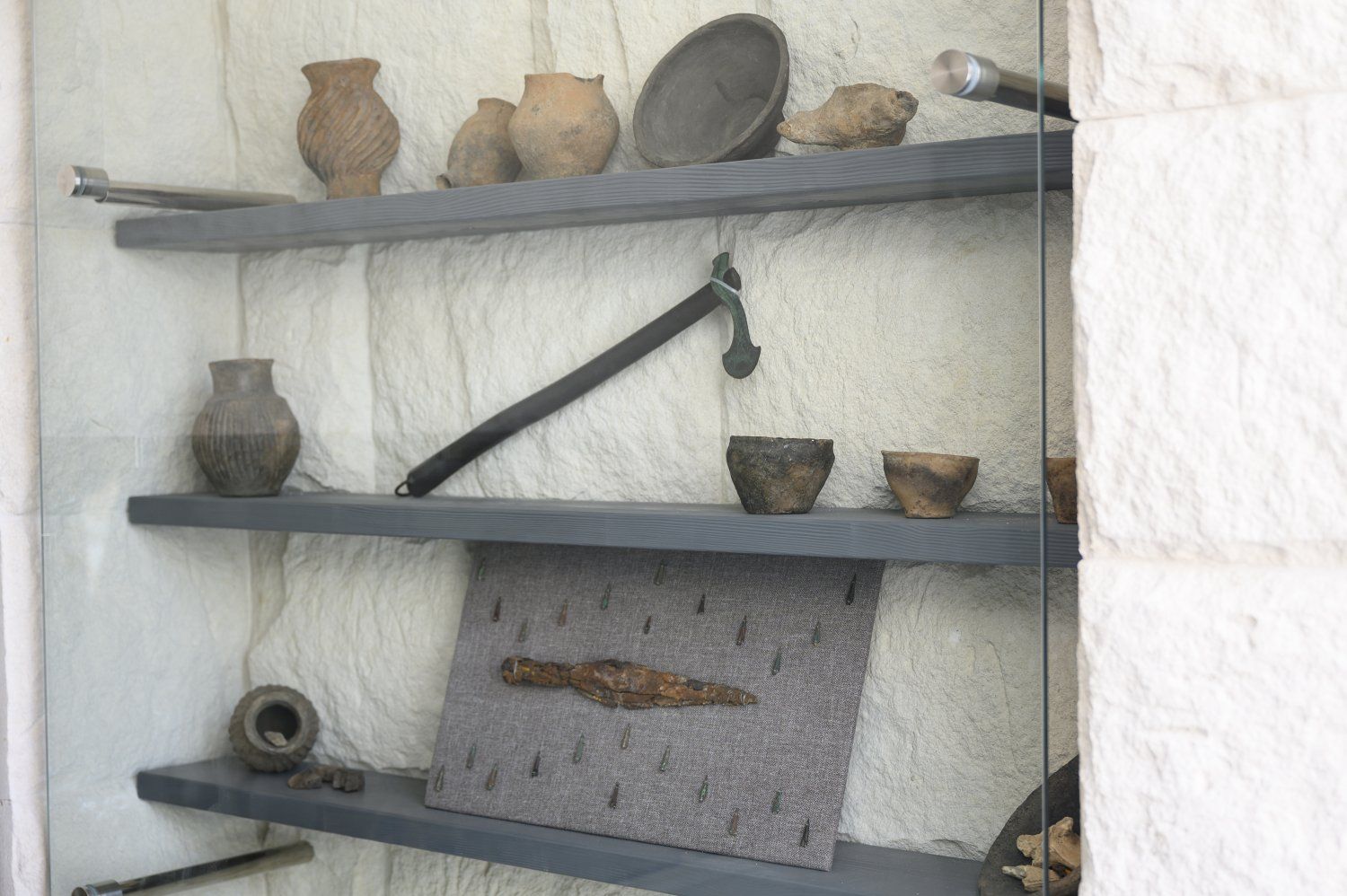
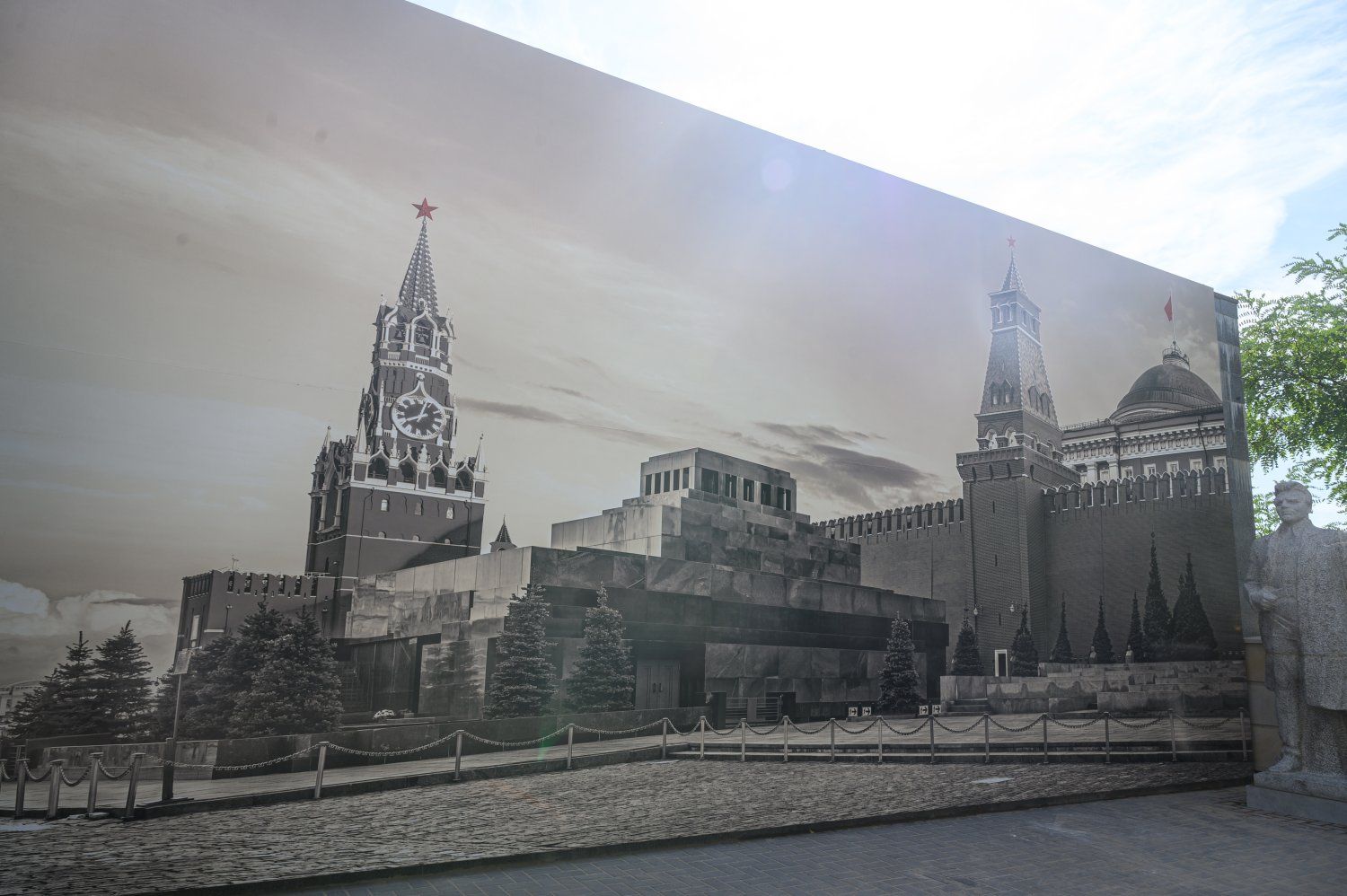
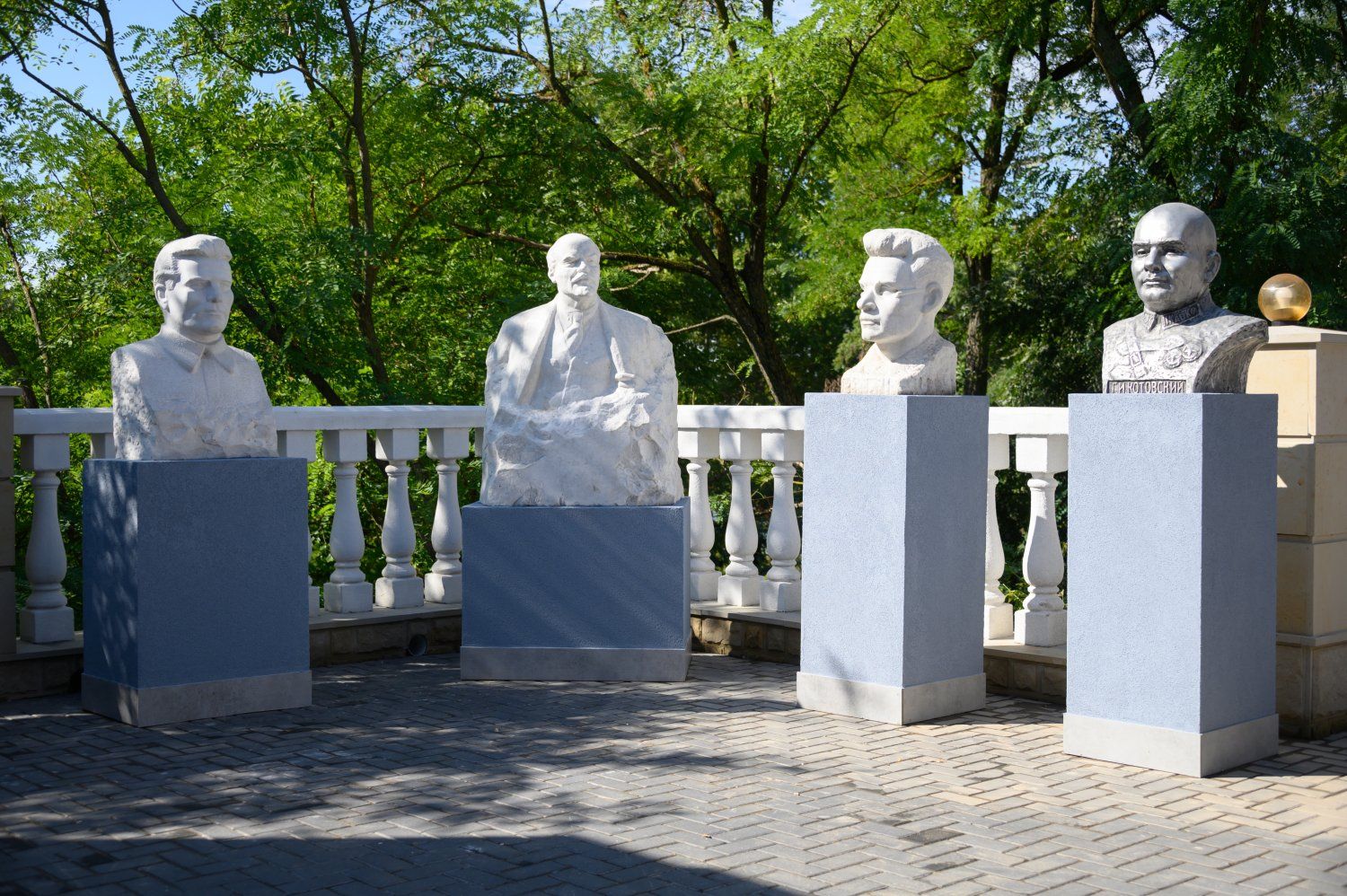
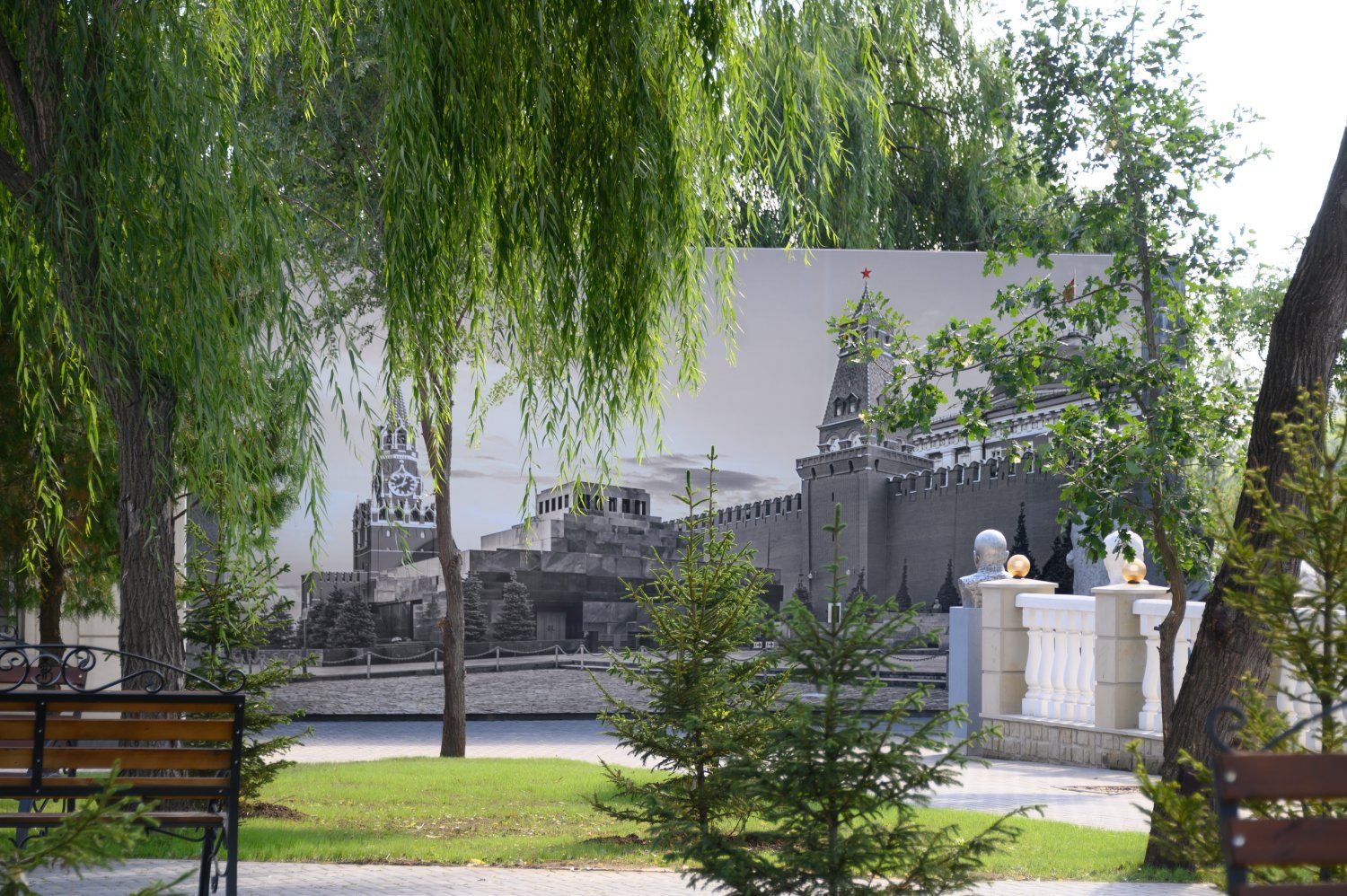
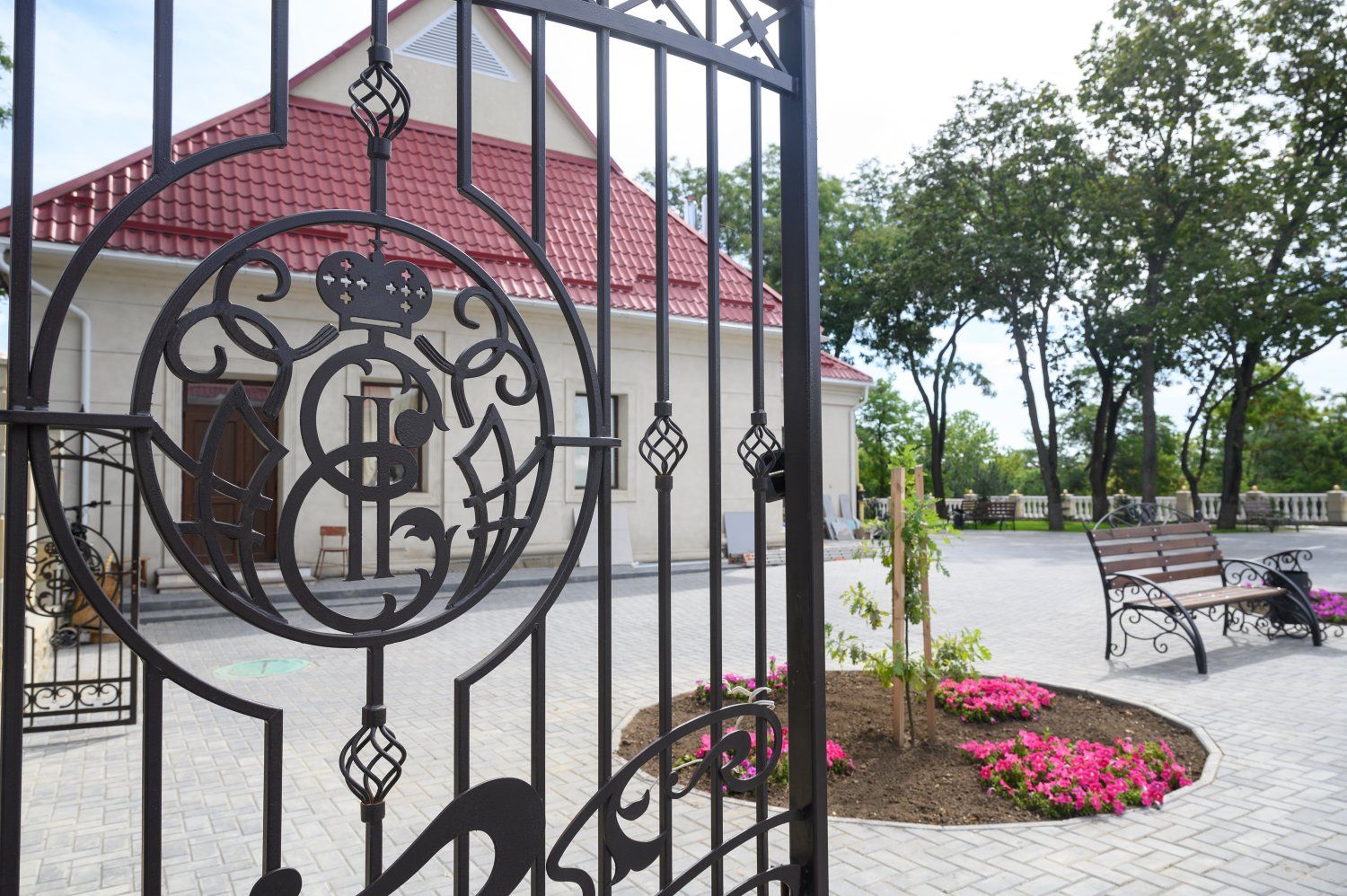
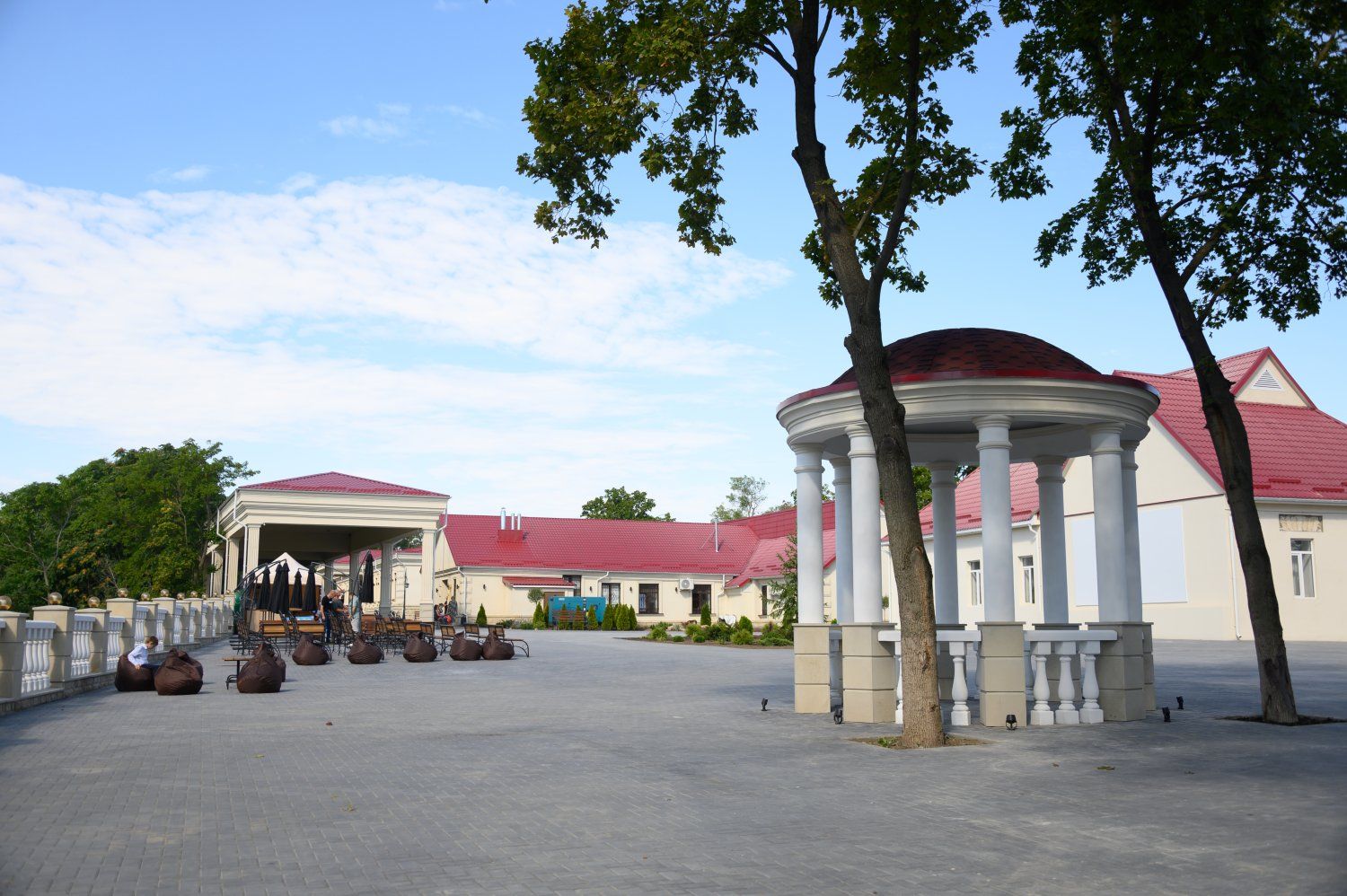
The open-air museum courtyard features various historical locations that complement the main exhibitions and allow visitors to immerse themselves more deeply in the atmosphere of different eras. A Scythian burial mound bears witness to the ancient history of the region, a memorial alley preserves the history of people and events, and the "Red Square" installation allows visitors to recreate the atmosphere of the Soviet historical era.
The Museum Quarter is designed not only for tours and educational activities, but also for various cultural events and meetings. The organizers have planned an open-air cinema and a summer café.
The President thanked everyone who participated in the creation of the state museum, noting that the project's implementation required lengthy and painstaking work. Vadim Krasnoselsky especially thanked Mayor of Tiraspol Ilona Tyuryaeva, acknowledging her contribution to the creation of the museum complex. "We have achieved our goal," the President concluded.