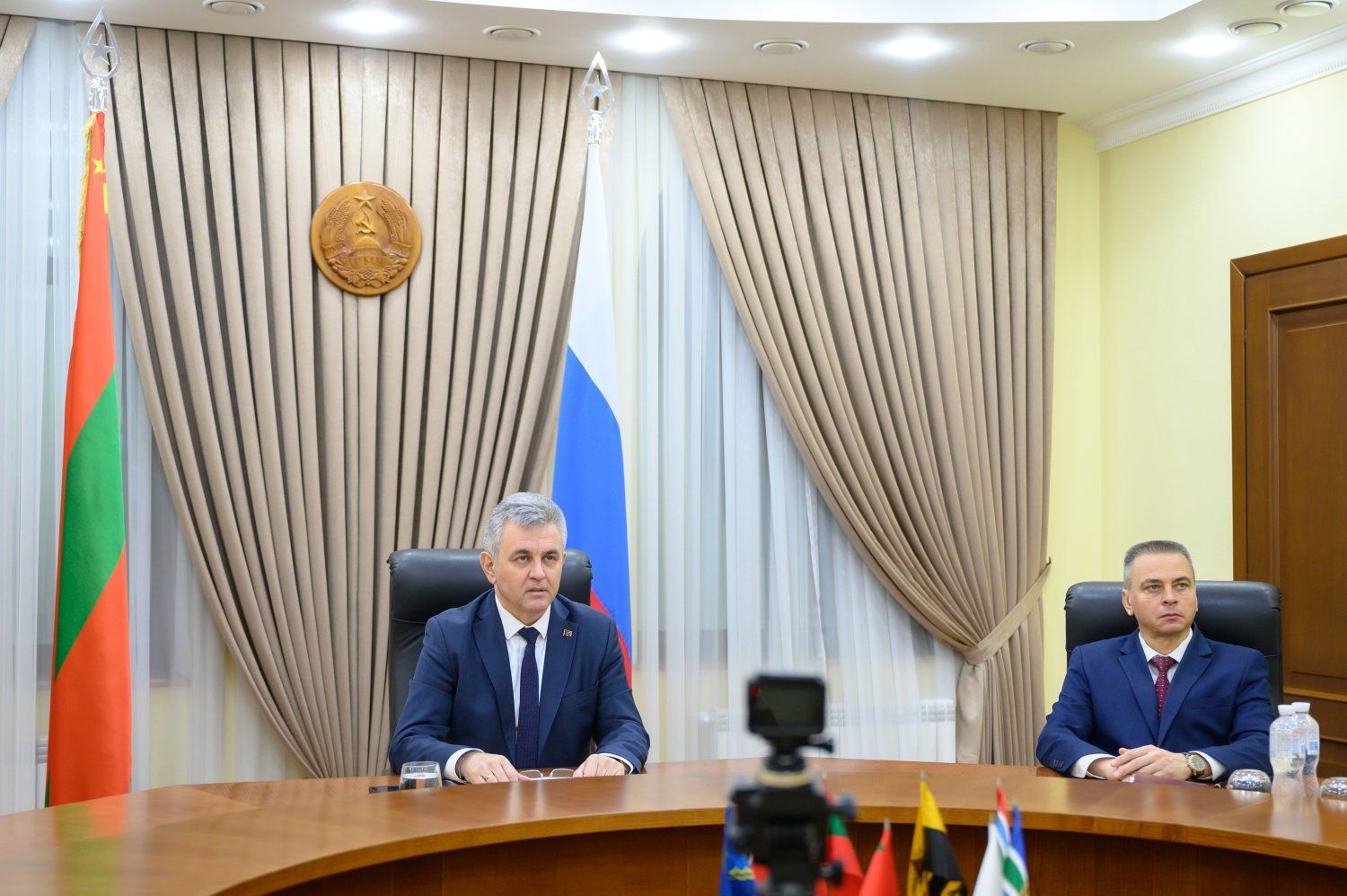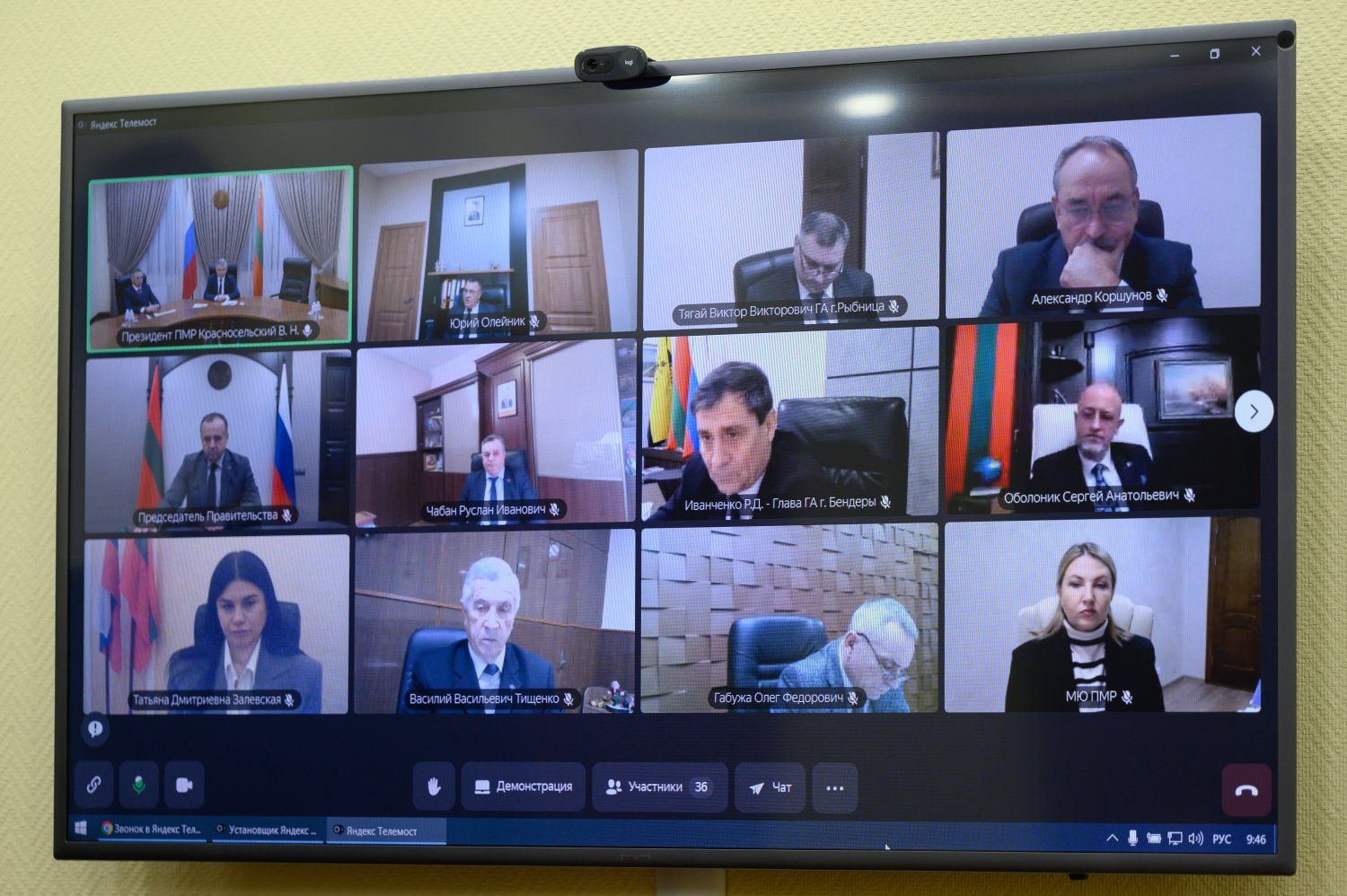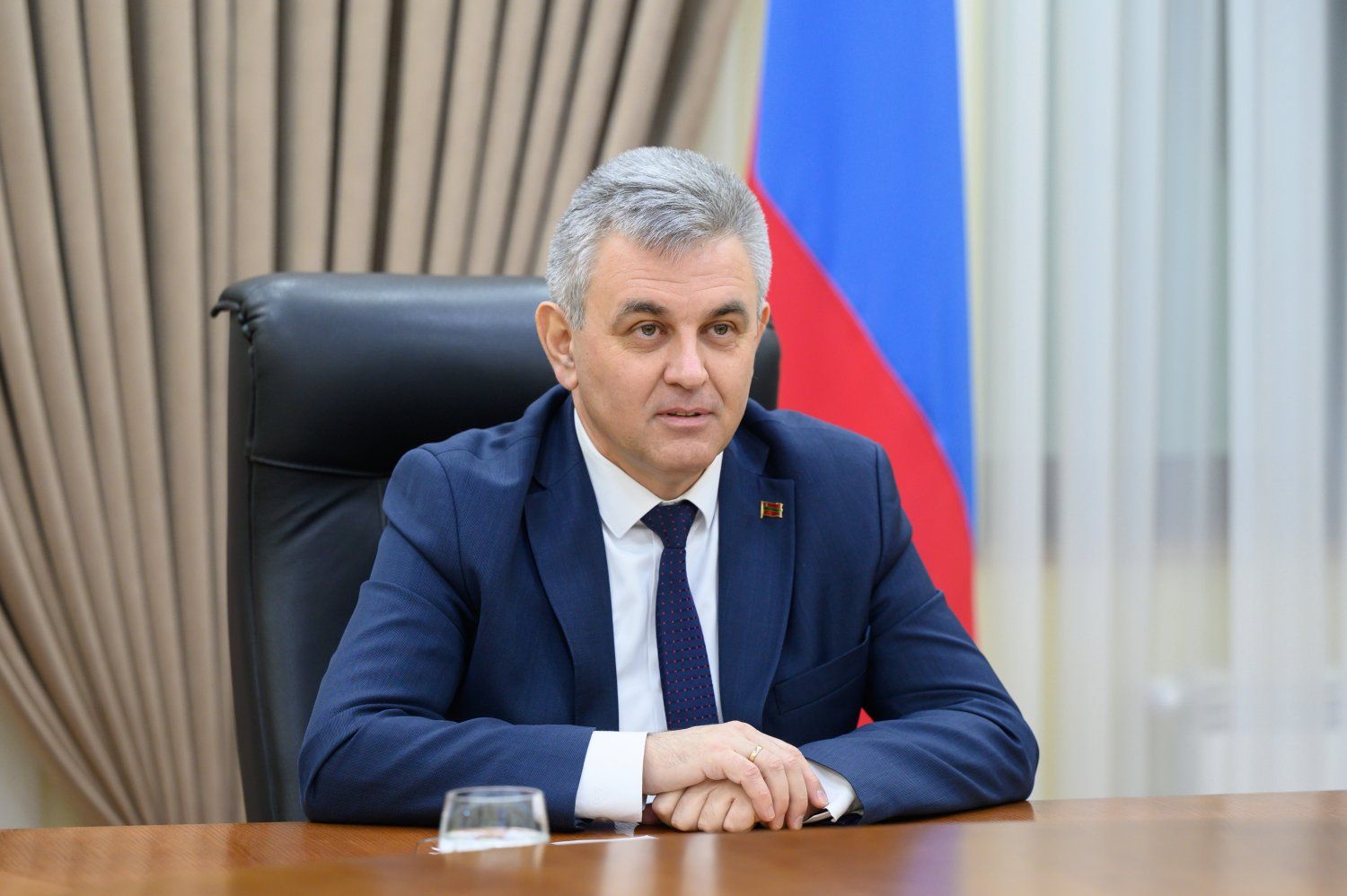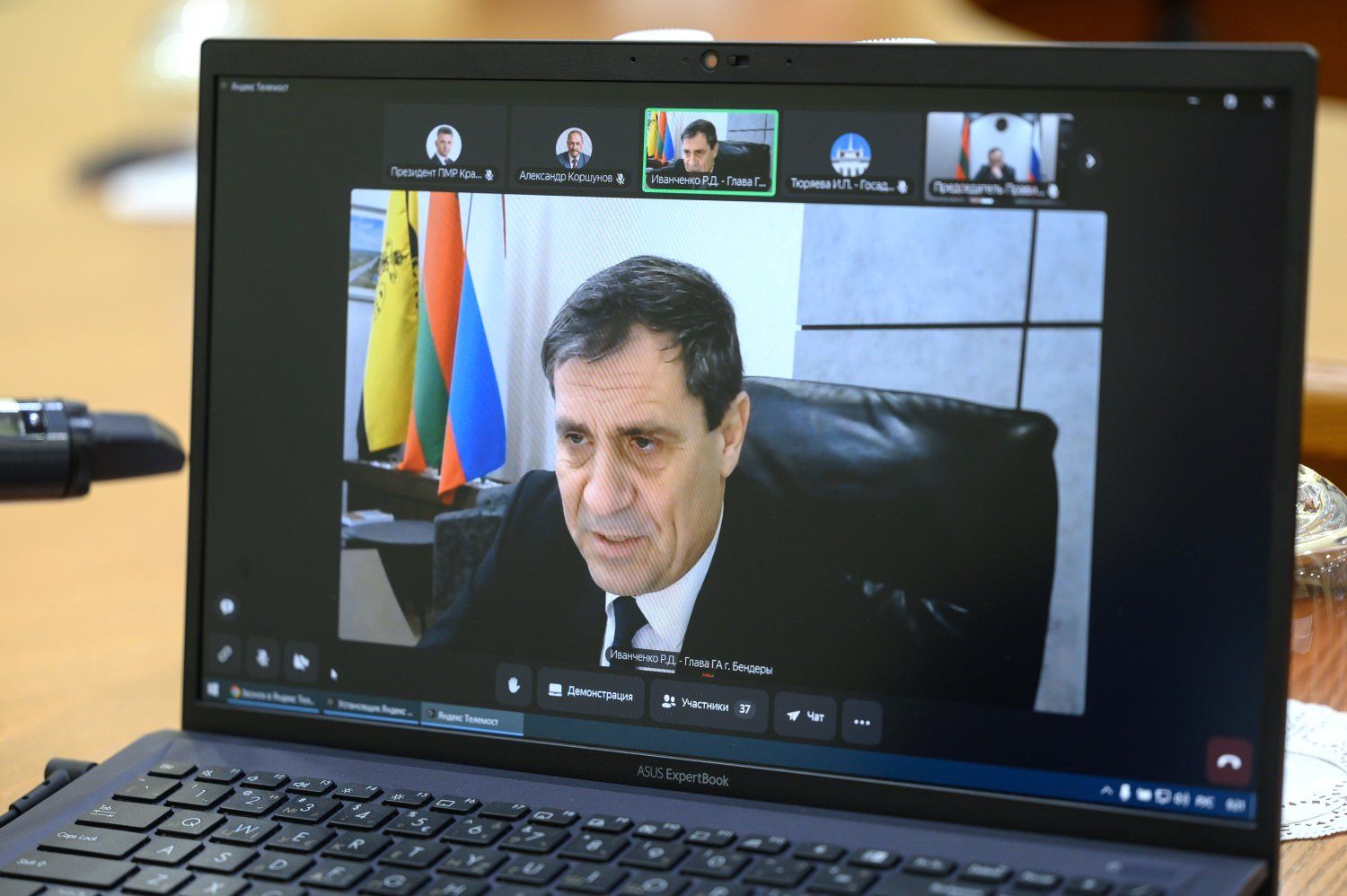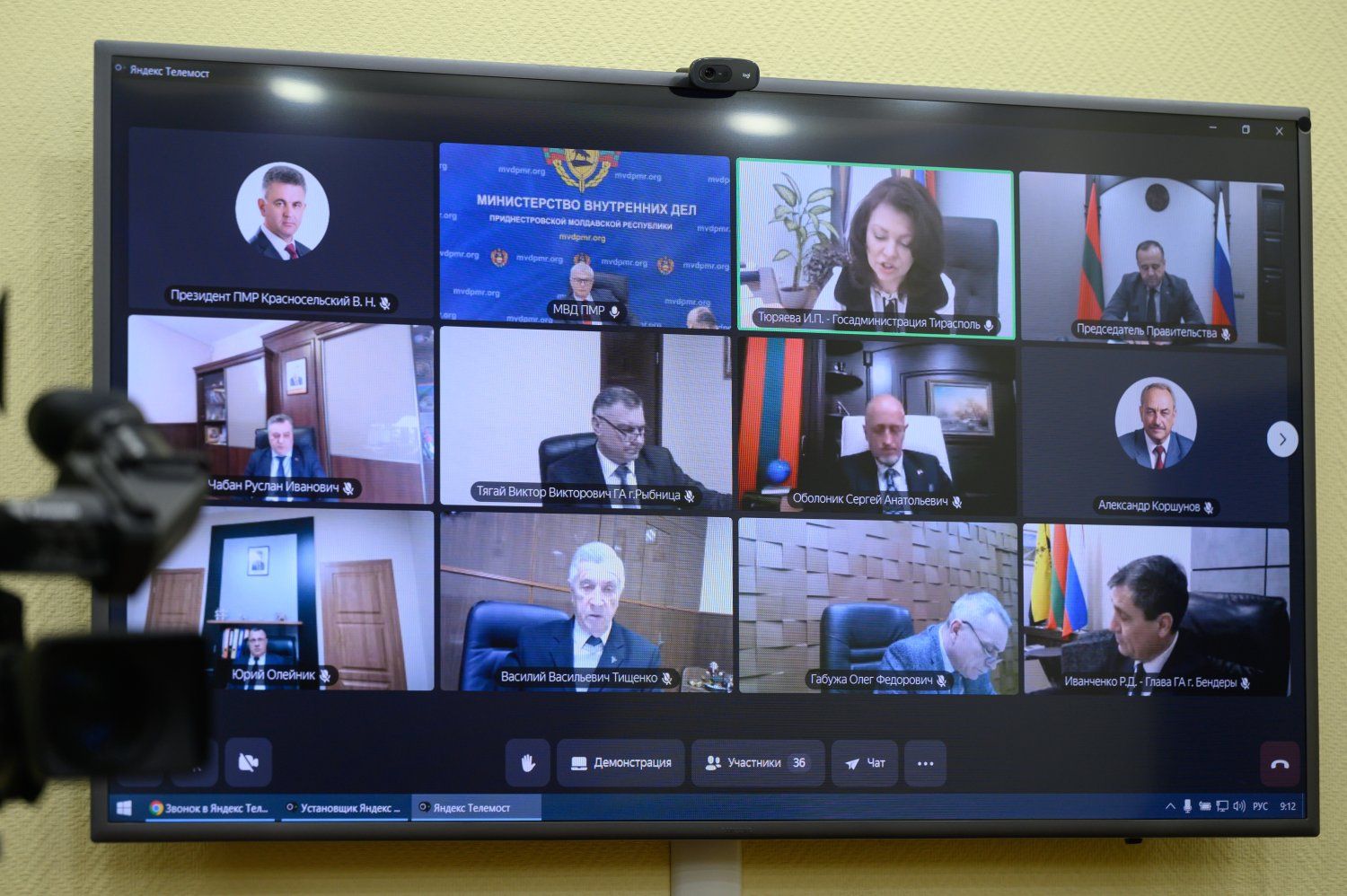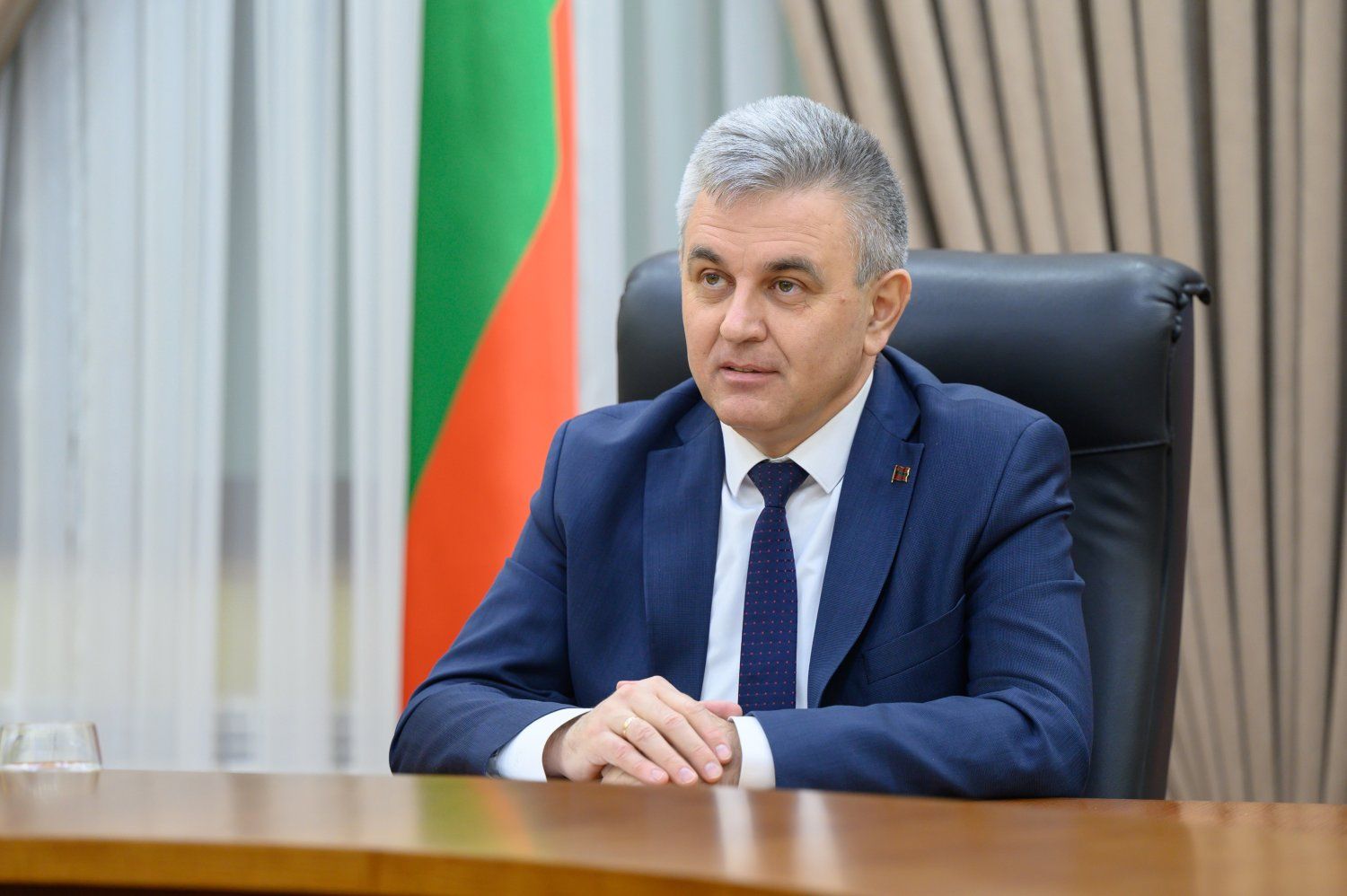
Cases of child aggression against fellow pupils and teachers were discussed in the course of the meeting under the President. The highly publicized incident of a child being beaten in a school in Bendery last week was mentioned. Mayor of Bendery Roman Ivanchenko stated that this is not an isolated incident, and that the problem of bullying requires increased public and legal attention. City authorities have scheduled an extended discussion on this issue for tomorrow. The President stated for his part that this issue is under special scrutiny. Vadim Krasnoselsky raised it among other things during the August pedagogical conference. At that time, the President proposed forcibly transferring young bullies with antisocial behavior from mainstream schools to the Makarenko School – a republican educational and correctional complex under the jurisdiction of the Ministry of Internal Affairs of the PMR. The initiative has found a response. The legislative framework is being prepared. Currently, 18 people not only study at the closed-type institution but also essentially live there. The complex is designed for the permanent residence and full-time education of 30 children under the age of 14. It also houses a temporary detention center for juvenile offenders, capable of accommodating 25 people for up to 30 days. Vadim Krasnoselsky considers it is necessary to slightly modify the mechanism. After completing the necessary organizational and legal procedures, conditions will be created for sending schoolchildren aged 14-18 to this institution for full-time education by court order. The President emphasized that transferring them to a specialized educational institution will benefit not only the staff members who experienced aggression by an individual child, but also the offender.
Another school-related topic discussed at the presidential meeting was the organization of food services in educational institutions. Roman Ivanchenko reported that a project to automate food service in the city was launched in January of this year. Software was developed with the assistance of the Ministry of Digital Development. Fifty workstations were equipped with computers with internet access. Programmers, during on-site visits, helped school and kindergarten cafeteria workers navigate the software. A training seminar will also be held this week. It was noted that with the implementation of the automated system, labor costs for recordkeeping will be reduced from a couple of hours to two to three minutes per day. This month, work is being carried out simultaneously electronically and on paper, with plans to fully transition to computerized support starting in February. In addition to convenience, automation will ensure transparency of recordkeeping. Vadim Krasnoselsky discussed the quality of food preparation. He emphasized that monitoring and inspection activities in this area should be ongoing, not scheduled. Attention should be paid not only to the safety, healthiness, and taste of the dishes, but also to the sanitary conditions where the food is prepared and served. Furthermore, it is important to monitor what is sold in school cafeterias, the President emphasized. The sale of products harmful to children's health on school playgrounds is unacceptable.